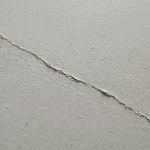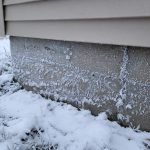
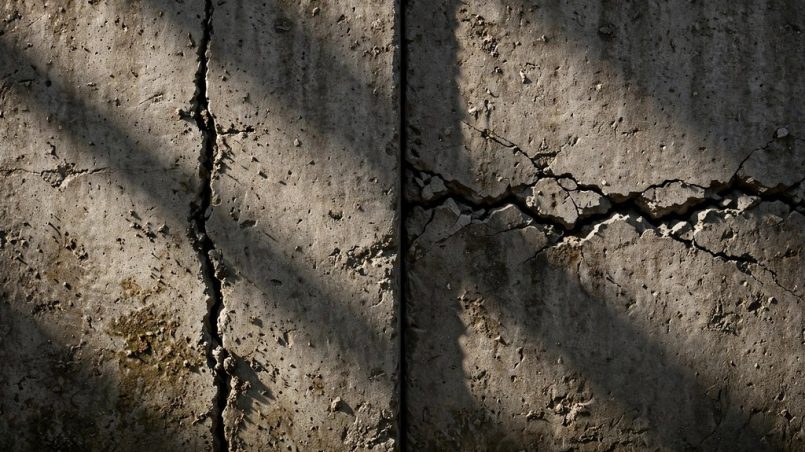
Horizontal vertical cracks tell different stories about sideways pressure against a basement wall. Vertical cracks usually trace back to concrete shrinkage or minor settlement instead. Therefore direction gives homeowners a fast first clue about urgency and repair type.
In this guide, horizontal vs vertical foundation cracks receive a clear side by side comparison. You will learn how soil, water, and curing shape each pattern differently. Additionally, you will see warning signs that demand prompt professional attention.
Finally, repair options and simple monitoring steps help you act with confidence. Keep reading to identify your crack type and choose a sensible next step.
What Crack Direction Reveals About Force
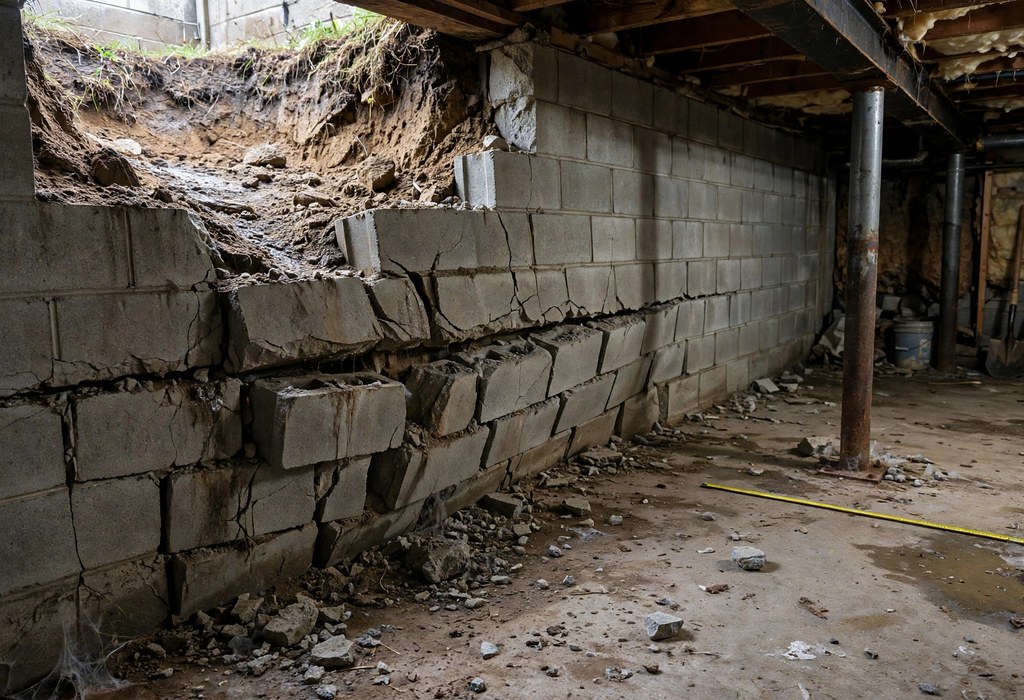
Soil and water push against foundation walls from outside every day. Concrete handles downward loads well, but sideways loads stress walls differently. A strong foundation crack repair plan therefore starts with identifying the force behind the crack.
Vertical movement usually pulls concrete apart from top to bottom. Lateral pressure instead bends a wall inward and cracks it across the middle. Consequently, two cracks with similar widths can carry very different risks. Homeowners should therefore note direction first, then measure width and movement.
Vertical Cracks: Common Causes And Warning Signs
Concrete shrinks naturally while it cures and loses moisture. This shrinkage often opens thin vertical lines during the first months after pouring. Minor settlement also shifts a footing slightly and opens similar vertical cracks. Most narrow, stable vertical cracks pose little structural threat on their own.
A thin line often matches a hairline foundation crack and needs simple monitoring first. However, width changes, water entry, or wall displacement change that assessment quickly. Wider tops or bottoms can signal uneven settlement or soil heaving below. Similarly, clusters of vertical cracks can point toward differential settlement across one section.
Also watch sticking doors, sloping floors, and gaps near trim for added clues. Additionally, record crack width with photos and dated marks every few months.
Horizontal Cracks: Why Sideways Pressure Turns Serious
Expansive clay soil swells after rain and pushes hard against basement walls. Saturated soil also builds hydrostatic pressure behind walls and increases lateral loads. Frozen soil expands during cold spells and adds still more inward force. This combined pressure bends walls inward, especially near mid height.
Cold climates show this risk clearly through winter freeze thaw foundation cracks each spring. Block walls often crack along mortar joints when pressure exceeds their bending strength. Poured concrete walls instead crack in long horizontal lines near maximum bending stress. Bowing, bulging, or stair step patterns alongside horizontal cracks raise urgency sharply.
Water stains, efflorescence, or damp patches often accompany pressure driven horizontal cracks. Moreover, horizontal cracks rarely stabilize while soil pressure remains active outside. Seek prompt evaluation from a structural engineer when you spot any horizontal crack.
Horizontal Vs Vertical Cracks At A Glance
A quick comparison helps homeowners sort urgency before calling a specialist. Remember that width, movement, and nearby symptoms matter alongside direction alone.
- Direction: Vertical lines run up and down, while horizontal lines run sideways.
- Main cause: Shrinkage or settlement usually opens vertical cracks, while pressure opens horizontal cracks.
- Typical risk: Vertical cracks often stay cosmetic, while horizontal cracks often threaten wall stability.
- Action: Monitor stable vertical cracks closely, but seek prompt help for horizontal cracks.
Use this comparison as a starting point, not a final structural verdict. Then seek guidance when warning signs appear.
How Repairs Differ By Crack Direction
Sealing often suits a stable vertical crack that admits only minor water. Technicians inject epoxy into dry cracks to bond concrete and restore continuity. Technicians inject polyurethane foam into active leaks because foam flexes and seals water paths. These injection methods address the crack itself rather than outside pressure.
Horizontal cracks need structural reinforcement in addition to sealing alone. Carbon fiber straps bond across bowing walls and resist further inward movement. Steel I beams brace severely bowed walls and spread loads across stronger supports. Wall anchors connect a wall to stable soil outside and can gradually straighten movement.
Injection repairs often range from $400 to $1,300 per crack. Wall stabilization projects often range from $2,500 to $15,000 depending on severity. Exterior drainage correction also reduces pressure and protects any structural repair long term.
Contractors often combine drainage fixes with reinforcement for lasting results. Sealing alone rarely solves a horizontal crack while pressure keeps building outside. Therefore, compare repair proposals by cause addressed, not price alone.
Monitoring, Drainage, And Prevention Steps
Good drainage lowers hydrostatic pressure and protects walls from repeated stress. Direct downspouts away from the foundation and keep gutters clear through seasons. Grade soil away from walls so rainwater flows outward instead of pooling nearby. Interior drains and a sump pump also move collected water safely away.
Mark each crack end with a pencil line and photograph it monthly. Additionally, compare new photos against older photos for width or length changes. A crack monitor also tracks tiny movements that eyes might miss. Contact a foundation specialist promptly when movement continues or water appears.
Keep trees and large shrubs away from walls because roots draw moisture unevenly. Consistent watering during dry spells also helps expansive soil stay more stable. These habits reduce seasonal movement and lower long term crack risk.
When To Call A Professional Quickly
Call a structural engineer quickly for any horizontal crack with bowing. Also seek help when vertical cracks widen quickly or leak repeatedly. Stair step cracks, sloping floors, or sticking doors likewise deserve prompt evaluation.
Understanding horizontal vs vertical foundation cracks helps you describe symptoms clearly to specialists. Bring photos, measurements, and notes about water, seasons, and past repairs. Clear records help specialists identify causes faster and recommend targeted repairs.
Frequently Asked Questions
Which Is Worse: Horizontal Or Vertical Foundation Cracks?
Horizontal cracks usually pose greater danger because sideways pressure threatens wall stability directly.
Are Vertical Foundation Cracks Normal In New Homes?
Many thin vertical cracks reflect normal shrinkage, but widening or leaking cracks need closer attention.
Can A Horizontal Crack Stay Small And Harmless?
Horizontal cracks rarely stay harmless because active soil pressure continues pushing walls inward.
How Do I Monitor A Foundation Crack At Home?
Photograph the crack monthly, mark its ends, and compare measurements for any growth.
When Should I Call A Structural Engineer For Cracks?
Call an engineer promptly for horizontal cracks, bowing walls, rapid widening, or repeated leaks.
Protect Your Home With A Clear Next Step
Direction gives you a powerful first clue, but careful monitoring confirms the full picture. Stable vertical cracks often need sealing and watching, while horizontal cracks need prompt professional care.
Inspect your basement walls today, photograph any cracks, and schedule an evaluation for concerning patterns. Acting early protects your walls, your home value, and your peace of mind.