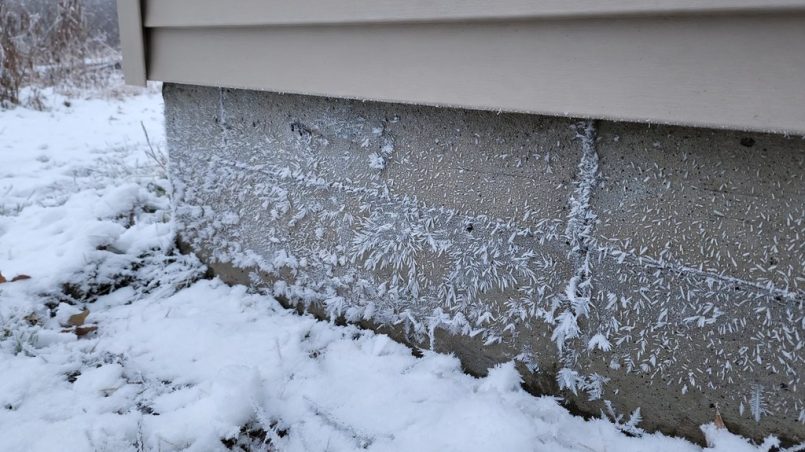
Winter freeze thaw foundation cracks start when water enters tiny concrete pores and freezes. Ice expands by about nine percent, so pressure builds inside walls and widens existing hairline cracks. Meanwhile, saturated soil freezes, lifts unevenly, and then settles back during each spring thaw.
Homeowners often notice these winter freeze thaw foundation cracks first around basement windows and corners. For this reason, many homeowners explore foundation crack repair before small winter damage grows larger. Fortunately, early checks, better drainage, and timely sealing limit most cold weather damage. This guide explains the freeze thaw process, warning signs, and practical protection steps.
How The Freeze Thaw Cycle Breaks Concrete
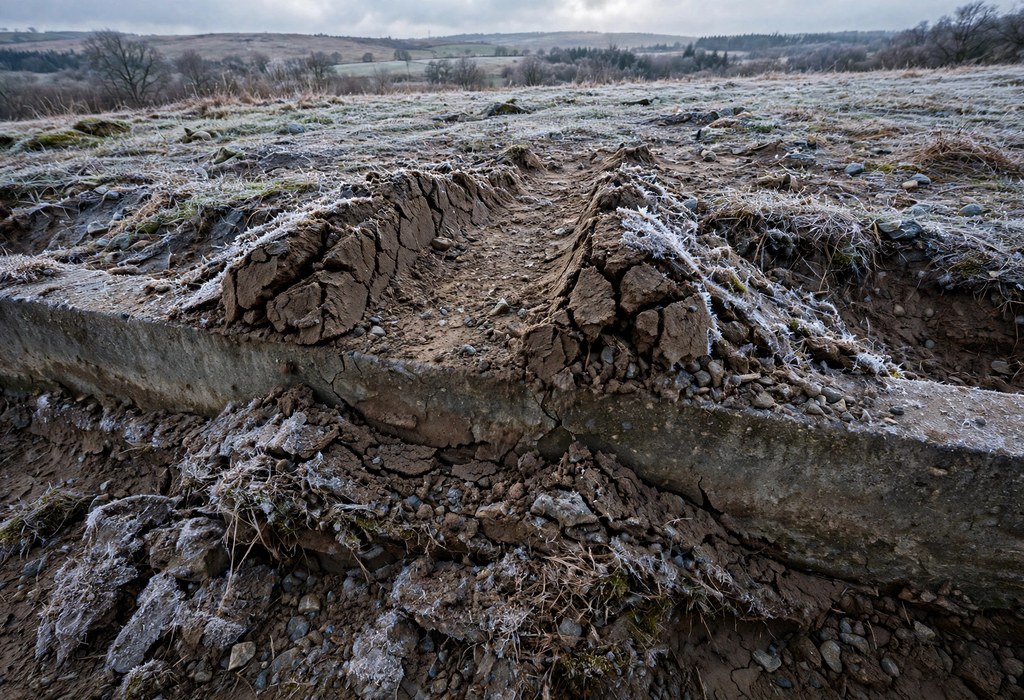
Concrete contains tiny pores, capillaries, and microscopic cracks even after careful curing. Rain, snowmelt, and groundwater seep into those openings during wet autumn and winter weather. Subsequently, freezing water expands inside the concrete and pries each opening wider.
Thawing water then drains deeper into the enlarged crack before the next freeze. Consequently, repeated cycles turn hairline cracks into wider fractures across one cold season. Fluctuating temperatures cause far more damage than one long steady deep freeze.
Corners, window openings, and joints concentrate stress and crack first during cold snaps. Moreover, worn sealant, poor coatings, and old caulking let more moisture reach vulnerable concrete. Over time, surface spalling, flaking, and scaling reveal repeated freeze thaw stress.
Why Frost Heave Lifts Foundations In Freeze Thaw Cycles
Frost heave begins when wet soil freezes from the surface downward. Ice lenses grow inside frost susceptible soil and draw water upward through capillary action. These lenses push soil upward with tremendous force and grip footings tightly.
Uneven lifting raises one footing section higher than neighboring sections. Then thawing soil settles back unevenly and leaves gaps beneath parts of the foundation. As a result, walls bend, floors slope, and cracks open along stressed joints.
Clay soil holds moisture longer than sandy soil and heaves more aggressively. In contrast, well drained gravel and sand shed water and reduce frost pressure. Similarly, loose backfill near new foundations traps water against basement walls.
Warning Signs Winter Damage Leaves Behind
First, homeowners should inspect basement walls closely after each major thaw. New stair step cracks in block walls often signal lateral soil pressure. Also, widening vertical cracks, damp spots, and musty odors deserve prompt attention.
Horizontal cracks generally indicate stronger lateral pressure than narrow vertical cracks. For clear comparisons, homeowners can review horizontal vs vertical foundation cracks before judging severity. At the same time, sticking doors, sloping floors, and uneven gaps reveal shifting support.
Water stains, efflorescence, and mineral deposits mark repeated seepage through cracks. Furthermore, bowing walls, bulging sections, and leaning walls require urgent professional evaluation. Finally, mold growth, peeling paint, and damp insulation signal ongoing moisture problems.
How To Protect Foundations From Freeze Thaw Damage
Prevention starts with moving water away from footings before cold weather arrives. Clean gutters, extend downspouts, and grade soil away from walls each autumn. Next, seal small cracks early and insulate exposed foundation walls.
- Gutters and downspouts: Direct roof runoff at least ten feet away from foundation walls.
- Soil grading: Slope ground away from walls and fill low spots near footings promptly.
- Rigid foam insulation: Install foam boards around shallow footings and exposed basement walls.
- Drainage systems: Maintain French drains, sump pumps, and interior drain tile systems regularly.
- Snow and deicers: Clear snow away from walls and choose calcium magnesium acetate deicers cautiously.
Snow cover actually insulates soil, so bare frozen ground often heaves more severely. Therefore, avoid piling snow against walls and keep meltwater flowing away. Moreover, check window wells, hose bibs, and exterior faucets for leaks each fall.
Repair Options After Winter Cracks Appear
Often, small dormant cracks respond well to professional crack sealing methods. Many contractors recommend epoxy injection foundation crack repair for narrow stable poured concrete cracks. Epoxy bonds concrete sections together and restores much original structural strength.
Polyurethane injection seals leaking cracks and flexes slightly with minor movement. By contrast, carbon fiber straps stabilize bowing walls without major excavation. Likewise, wall anchors and helical piers stabilize severely shifted or settled foundations.
Minor epoxy repairs commonly range from five hundred dollars to fifteen hundred dollars per crack. Larger structural repairs, however, often range from five thousand dollars to fifteen thousand dollars. Consequently, early repair saves money and prevents water damage, mold growth, and further shifting.
Winter Monitoring And Spring Inspection
Photograph each crack, measure its width, and record its location every month. Also, mark crack ends with pencil lines and check for growth after thaws. Stable hairline cracks often stay unchanged, while growing cracks demand faster action.
Inspect footings, slab edges, and porch connections during the first spring thaw. At the same time, watch basement floors for new heaving, hollow sounds, and uneven joints. In addition, test sump pumps, clear drains, and confirm downspouts still discharge properly.
A structural engineer evaluates wide cracks, bowing walls, and rapid movement patterns. Engineers recommend piers, anchors, or drainage upgrades based on soil and load conditions. Lastly, homeowners should schedule repairs during dry mild weather whenever possible.
Frequently Asked Questions
Can Winter Freeze Thaw Cycles Crack A Sound Foundation?
Yes, repeated freezing expands trapped water and stresses even well built concrete over time.
Does Frost Heave Affect Slab Foundations And Basements Differently?
Yes, slabs lift unevenly at edges, while basement walls face lateral and upward pressure simultaneously.
Can Homeowners Repair Winter Foundation Cracks During Cold Weather?
Yes, contractors seal many cracks in cold weather, although severe structural work often waits for milder conditions.
How Can Homeowners Tell A Winter Crack From Normal Settling?
Winter cracks often widen after freezes, leak during thaws, and grow seasonally rather than stabilizing quickly.
When Should Homeowners Call A Foundation Professional Immediately?
Therefore, homeowners should call promptly for horizontal cracks, rapid growth, bowing walls, or active water intrusion.
Protect Your Foundation Before The Next Freeze
Winter freeze thaw foundation cracks reward early attention and consistent drainage care. Inspect walls each autumn, seal small cracks promptly, and improve grading before freezing temperatures arrive. Therefore, homeowners protect structural strength, indoor air quality, and long term home value.
First, walk around your home and check every basement wall carefully. Then book a professional inspection if cracks widen, leak, or show bowing. Take action now and keep your foundation strong through every winter ahead.