Choose a licensed, insured foundation crack repair company with proven local experience and a written warranty. Additionally, compare at least three detailed estimates before you sign any contract or pay any deposit. Finally, verify references, methods, and warranty terms carefully to avoid repeat repairs and surprise costs.
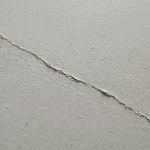
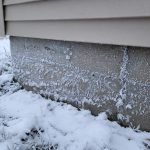
Foundation cracks often signal soil movement, drainage problems, or normal settling beneath your home. However, honest contractors diagnose the cause first instead of pushing the most expensive repair system immediately. Therefore, your selection process matters as much as the repair method, materials, and crew skill.
Check A Foundation Repair Company Credentials First
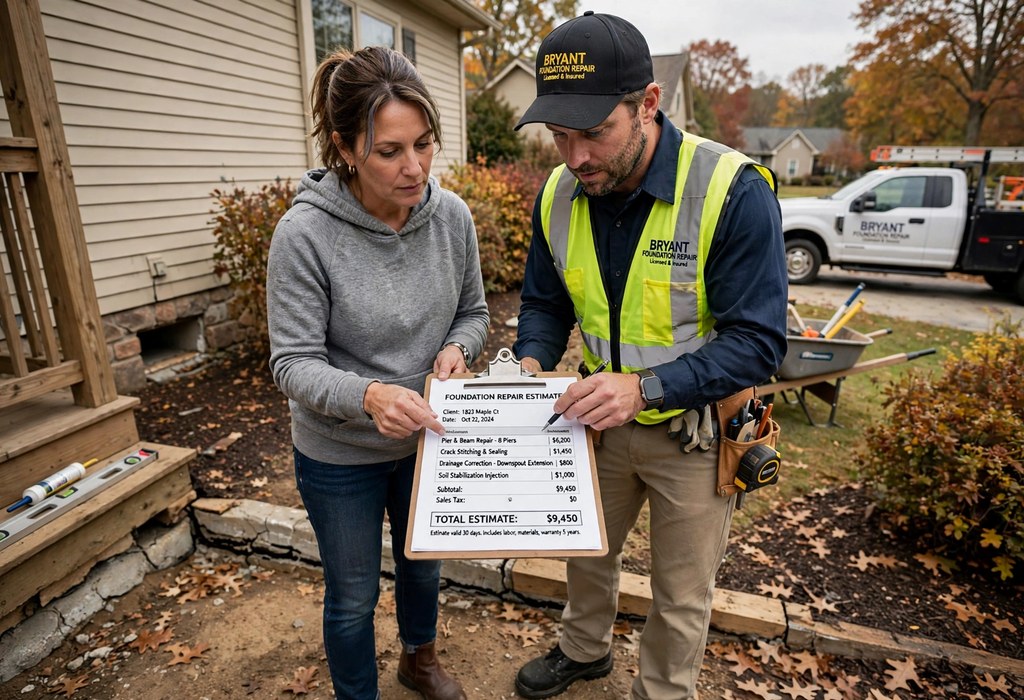
First, confirm the contractor holds a current license, liability insurance, and workers compensation coverage for your area. Next, ask how many similar crack repairs the crew completes each year in your neighborhood soil conditions. Moreover, a trusted foundation crack repair company links diagnosis to proven foundation crack repair methods clearly.
Local experience matters because expansive clay, freeze thaw cycles, and poor drainage affect foundations differently across regions. Similarly, crews familiar with slab foundations, basements, and crawl spaces spot patterns that distant crews often miss. Consequently, request recent local references and photos showing similar crack types, wall materials, and repair outcomes.
- License check: Verify the license number with the licensing authority before you schedule any work. Also, confirm the business name matches the license record exactly.
- Insurance proof: Ask for current certificates showing liability coverage and workers compensation protection. Furthermore, call the insurer directly to confirm active coverage dates.
- Experience record: Review completed projects involving horizontal cracks, stair-step cracks, and bowing walls. In addition, ask whether employees or subcontractors perform the actual installation work.
- Reputation review: Read recent reviews for patterns involving missed deadlines, hidden fees, or warranty disputes. Likewise, check complaint records and ask past clients about communication and cleanup quality.
Compare Foundation Repair Company Estimates Side By Side
Always request a detailed written estimate listing labor, materials, pier counts, permits, and project timelines separately. Next, compare each bid against typical foundation crack repair cost ranges for similar methods and pier counts. However, the lowest bid often hides fewer piers, cheaper materials, or missing drainage corrections.
Simple crack sealing often costs a few hundred dollars, while pier projects often reach several thousand dollars. For example, individual piers often cost between one thousand and three thousand dollars each. Thus, compare scope, pier placement, and load calculations rather than price alone during your review.
Ask each company to explain why its recommended method suits your crack pattern, soil, and water conditions. Meanwhile, note whether proposals include drainage improvements, gutter extensions, or grading corrections alongside structural work. Finally, clarify payment schedules, deposit amounts, change order rules, and completion criteria before signing anything.
Ask About Methods, Warranties, And Follow-Up
Epoxy injection often seals narrow vertical cracks, while polyurethane foam often stops active water leaks quickly. In contrast, helical piers and push piers stabilize settling foundations by transferring loads to deeper stable soil. Besides, carbon fiber straps often reinforce bowing basement walls without extensive excavation work.
Request a written warranty covering labor, materials, and future movement terms in plain language. Moreover, confirm whether the warranty transfers to future owners and what maintenance duties it requires. Similarly, ask how the company handles warranty claims, response times, and follow-up inspections after completion.
A structural engineer review adds independent credibility for complex settlement, wide cracks, or conflicting proposals. Moreover, review homeowners insurance foundation cracks rules before you assume settlement damage qualifies for coverage. Consequently, photograph damage, keep inspection reports, and document any sudden plumbing leaks promptly.
Spot Red Flags Before You Sign
Walk away from today-only discounts, full upfront payments, and pressure to sign without detailed paperwork. Also, reject vague pricing, missing permit plans, and warranties described only verbally during sales visits. Furthermore, question any pier count quoted without interior measurements, elevation readings, or soil information.
Legitimate companies provide written inspection reports, itemized scopes, and clear timelines for every project. In addition, reputable crews explain unexpected conditions, protect landscaping, and clean work areas daily. Therefore, pause whenever a proposal skips permits, engineering coordination, utility locating, or required inspections.
Before signing, read every clause covering scope, exclusions, warranty limits, and dispute resolution carefully. Keep copies of estimates, permits, photos, and final invoices together for future resale documentation. Ultimately, a transparent foundation crack repair company welcomes questions and explains every contract detail patiently.
Prepare For The Inspection And Final Decision
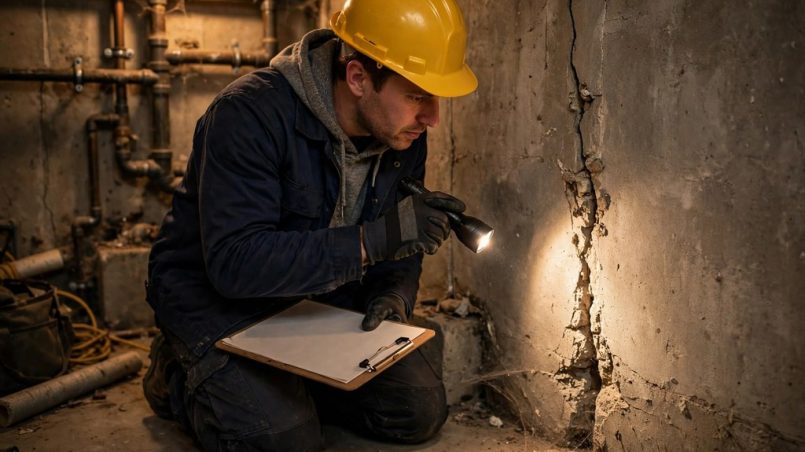
Before appointments, mark cracks with tape, photograph changes, and note sticking doors or sloping floors. Next, gather prior inspection reports, appraisals, and engineering notes for each visiting contractor. Meanwhile, clear access along suspect walls, crawl space hatches, and basement corners before crews arrive.
During visits, ask who evaluates the foundation, who supervises the crew, and who performs daily work. Also, ask how workers train for specialized equipment, safety procedures, and manufacturer installation requirements. Finally, compare communication speed, clarity, and honesty across all candidates before you choose one company.
After visits, create a simple comparison chart listing price, scope, warranty length, and start dates. Then, call references directly and ask about final costs, schedule accuracy, and post-repair support quality. Ultimately, choose the foundation crack repair company offering clear documentation, realistic timelines, and responsive service.
Frequently Asked Questions
How Do I Verify A Foundation Crack Repair Company?
Check licensing records, insurance certificates, recent references, and complaint history before you sign anything.
Should I Get Multiple Estimates Before Hiring?
Yes, compare at least three written estimates covering scope, methods, materials, timelines, and warranty terms.
Does Insurance Cover Foundation Crack Repairs?
Typically, standard policies exclude settlement and soil movement, although sudden plumbing failures sometimes qualify.
How Long Does Foundation Crack Repair Take?
Most simple crack sealing finishes within one day, while pier stabilization often requires several working days.
What Warranty Should I Expect From A Repair Company?
Expect a written transferable warranty covering labor and materials, plus clear claim procedures and timeframes.
Conclusion
Choosing carefully protects your home value, prevents repeat damage, and reduces long-term repair expenses. Therefore, verify credentials, compare detailed estimates, and confirm warranty terms before you commit. Contact reputable local contractors today, request written inspections, and choose the team that explains everything clearly.