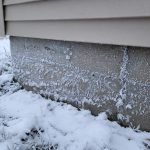
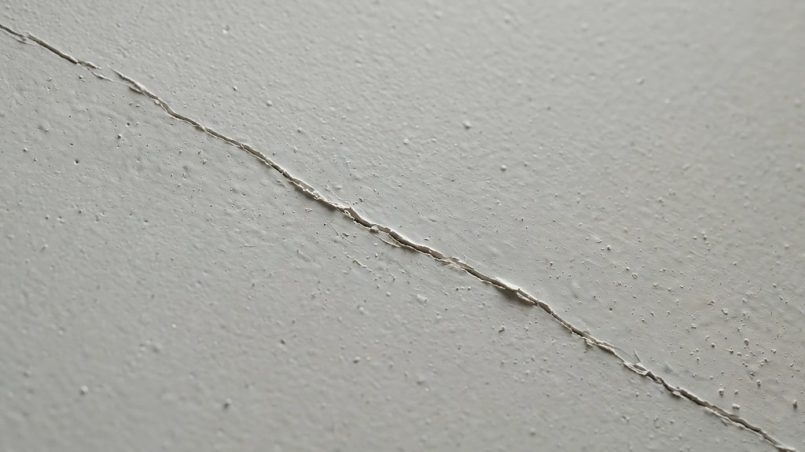
Most hairline foundation crack cases are normal and harmless. Concrete shrinks as it cures, and new homes settle slightly afterward. However, a few thin cracks signal movement, water entry, or structural stress.
You can judge most cracks by width, direction, and change over time. Homeowners often start with a broad guide to foundation crack repair before judging one crack. Additionally, simple checks help you separate cosmetic cracks from serious warning signs.
This guide explains width limits, common causes, and clear warning signs. Furthermore, it shows how to monitor a crack and choose a sensible next step. Soon you will feel confident about your next inspection and repair decision.
What Counts As A Hairline Foundation Crack
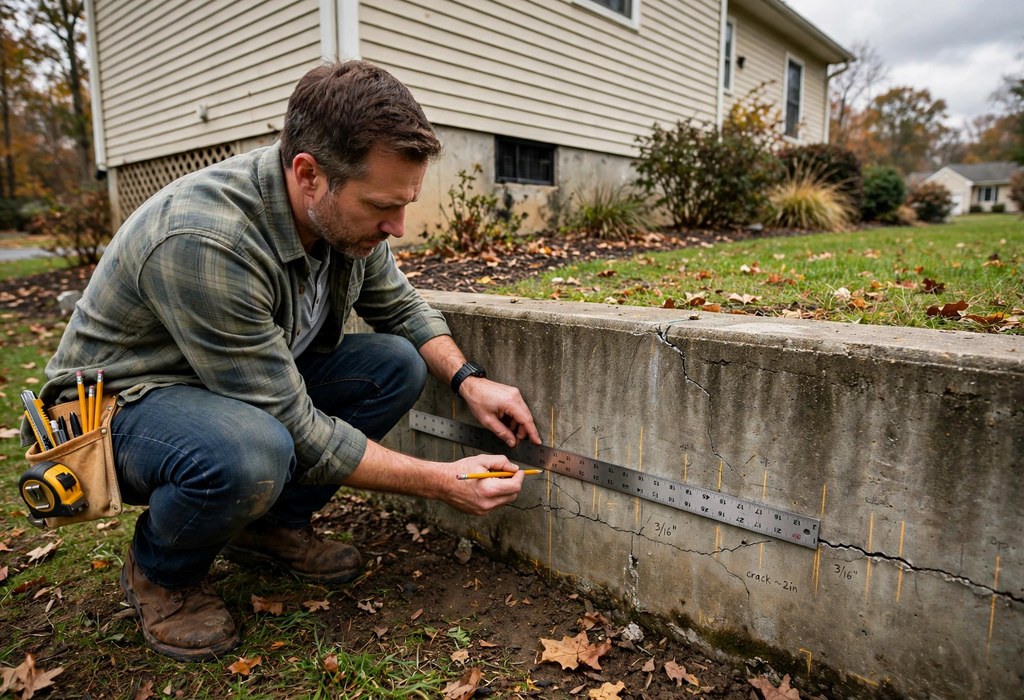
A hairline foundation crack measures less than one sixteenth of an inch wide. Furthermore, you often need close inspection to spot such a thin line. In contrast, cracks wider than one eighth of an inch deserve closer attention.
Hairline cracks often run vertically down a poured concrete basement wall. They also appear in concrete block walls, slabs, and crawl space walls. Additionally, a single thin crack usually matters less than several spreading cracks.
Why Hairline Cracks Form
Concrete loses moisture as it cures and shrinks slightly during drying. Consequently, this shrinkage creates fine vertical cracks in many new foundation walls. Similarly, fresh concrete develops surface cracks during its first curing months.
Soil beneath a new home also compresses under the structure weight. This normal settling shifts the foundation slightly and opens thin cracks. Moreover, seasonal soil movement expands and contracts soil around basement walls.
Expansive clay soil swells after rain and shrinks during dry spells. Poor drainage, faulty grading, and short downspouts worsen this soil movement. Furthermore, frost heave and freeze-thaw cycles stress concrete in cold climates.
Normal Signs Versus Serious Warning Signs
A normal hairline foundation crack stays thin, dry, and stable over time. Furthermore, it usually runs vertically and shows no wall displacement or bowing. Additionally, nearby doors, windows, and floors keep working normally.
Direction matters because horizontal cracks often signal lateral soil pressure. Learning horizontal vs vertical foundation cracks helps you compare direction and risk quickly. Therefore, treat any horizontal crack as a prompt for professional assessment.
- Width: Measure the crack with a ruler or crack gauge monthly. Call a professional promptly if width exceeds one eighth of an inch.
- Direction: Watch horizontal, diagonal, and stair-step patterns closely. Additionally, seek expert advice quickly for these higher-risk crack patterns.
- Movement: Mark both crack ends with pencil and date each mark. Additionally, recheck marks monthly for growth, lengthening, or new branching.
- Moisture: Check the crack after heavy rain for seepage or dampness. Note efflorescence, mold, or musty odors near the crack promptly.
- Inside signs: Watch sticking doors, sloping floors, and drywall cracks nearby. Therefore, combine these symptoms with foundation cracks for urgent review.
How To Monitor A Hairline Foundation Crack
Start monitoring immediately after you first notice a thin crack. Photograph the crack with a ruler beside it for clear scale. Additionally, record the date, location, and width in a simple notebook.
Furthermore, recheck the crack every few weeks during its first months. After that period, inspect it seasonally and after heavy rainfall. Meanwhile, watch gutters, grading, and drainage around your foundation walls.
A stable crack keeps the same width and length across seasons. An active crack grows wider, longer, or branches into new lines. Consequently, active growth warrants prompt professional evaluation and diagnosis.
When A Hairline Crack Needs Professional Help
Call a structural engineer promptly for widening or recurring cracks. Also call an expert for horizontal cracks, bowing walls, or displaced blocks. Similarly, seek help when cracks accompany sloping floors or sticking doors.
A professional inspection identifies soil movement, drainage failure, or structural overload. The engineer may recommend soil testing, drainage correction, or structural stabilization. Furthermore, early diagnosis often prevents costly piering, underpinning, or wall replacement.
Repair Options For Hairline Foundation Cracks
Sealing a dry hairline crack mainly blocks water, pests, and radon entry. Many homeowners choose epoxy injection foundation crack repair for dry, stable, nonstructural cracks. However, sealing alone cannot stabilize a wall under active soil pressure.
Polyurethane injection flexes slightly and suits cracks with minor seasonal movement. In contrast, epoxy injection bonds concrete rigidly and suits stable, nonstructural cracks best. Additionally, surface sealers or caulk offer only temporary protection for shallow cracks.
A do-it-yourself injection kit typically costs sixty to one hundred fifty dollars. Professional epoxy injection typically costs three hundred to eight hundred dollars per crack. In contrast, structural stabilization costs far more and requires professional design.
Fix drainage first when water reaches the crack repeatedly. Extend downspouts away from walls and slope soil away from foundations. Moreover, clean gutters regularly to prevent overflow near basement walls.
Hairline Cracks In Different Foundation Types
Poured concrete walls often develop thin vertical shrinkage cracks after curing. Furthermore, these cracks usually stay stable when soil drainage works properly. Additionally, proper curing and control joints reduce shrinkage crack formation.
Concrete block walls show cracks along mortar joints more often. Stair-step cracks in block walls suggest differential settlement or soil heaving. Therefore, inspect block wall cracks carefully for displacement between adjacent blocks.
Slab cracks often result from soil compaction, shrinkage, or minor settlement. Hairline slab cracks usually pose little risk when floors stay level. However, uneven slab edges or widening gaps require prompt professional assessment.
Common Mistakes To Avoid
Never ignore a crack simply because it looks thin at first. Thin cracks still admit water, insects, and soil gases over time. Additionally, patching without monitoring hides growth until damage worsens significantly.
Avoid rigid patching over an active crack without diagnosing movement first. The patch often cracks again when underlying soil movement continues unchecked. Instead, monitor first, correct drainage, and then choose an appropriate seal.
Frequently Asked Questions
Can A Hairline Foundation Crack Grow Into A Structural Problem?
Yes, a stable hairline crack can grow when soil movement, drainage failure, or lateral pressure continues unchecked.
Should I Seal A Hairline Foundation Crack?
Yes, sealing blocks water entry and protects interior finishes, even when the crack poses no structural risk.
How Long Should I Monitor A Hairline Crack Before Calling A Professional?
Monitor the crack for several months and call promptly if width, length, or nearby symptoms change.
Does A Hairline Crack Affect Home Value Or A Sale?
A documented, stable, sealed crack rarely affects value, but active or leaking cracks often concern buyers.
Are Hairline Cracks Normal In New Homes?
Yes, new homes often develop hairline cracks during concrete curing and initial settling.
Conclusion
Most hairline foundation cracks deserve attention, not panic. Measure the crack, monitor changes, and correct drainage problems promptly. Additionally, seek expert help quickly when warning signs appear.
Inspect your basement walls today and photograph every thin crack carefully. Then schedule a professional inspection if any crack widens, leaks, or multiplies. Finally, act early to protect your home, budget, and peace of mind.