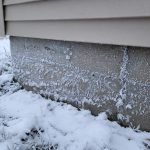
Selling a house with foundation cracks can still succeed with honest disclosure. Buyers worry mainly about safety, repair costs, and future movement. Clear documentation, honest disclosure, and smart pricing calm those fears effectively.
First, you need a clear picture of the crack type and severity. Additionally, a professional inspection gives buyers facts instead of frightening guesses. Therefore, selling house foundation cracks becomes a managed process, not a desperate gamble.
Meanwhile, this guide explains disclosure, repairs, pricing, and buyer negotiations step by step. You will learn when repairs pay off and when as-is pricing works better. In addition, you will discover documents that reassure lenders, inspectors, and cautious buyers.
What Buyers Fear When Selling A House With Foundation Cracks
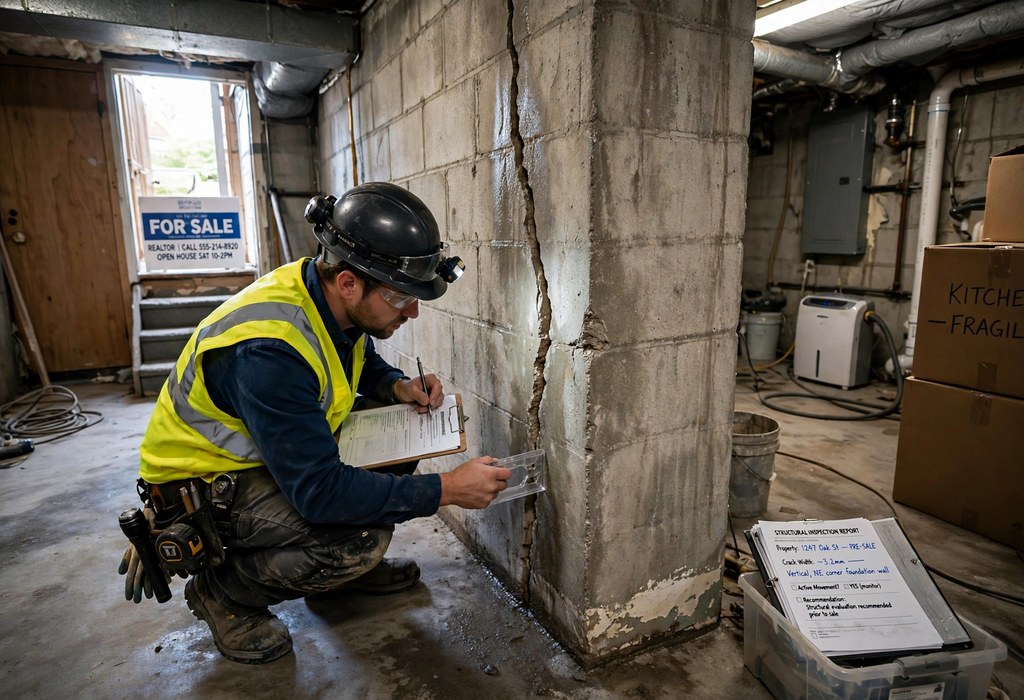
Buyers often imagine major structural failure when they first notice a crack. For example, professional foundation crack repair guidance helps buyers understand realistic fixes and timelines. A licensed structural engineer can separate cosmetic shrinkage from serious settlement quickly.
Furthermore, buyers fear hidden water damage behind basement walls and floors. They also worry about sticking doors, sloping floors, and recurring repair bills. Consequently, unexplained cracks trigger low offers, repair demands, or outright walkaways.
In contrast, documented stability reassures buyers even when cracks remain visible. Similarly, a transferable warranty signals that a reputable contractor stands behind the work. Overall, buyers pay for certainty, so you should replace mystery with clear evidence.
Disclosure Rules For Selling A House With Foundation Cracks
You must disclose known foundation cracks on the seller disclosure form. Additionally, you should list past repairs, engineer reports, and water intrusion history. Honest disclosure protects you from later claims and builds immediate buyer trust.
However, disclosure rules vary by state, so you should check local requirements early. Your real estate agent can explain the exact form and wording for your area. For instance, some states require written details about repairs, warranties, and monitoring results.
- Disclosure form: List every known crack, repair, and engineer finding honestly.
- Repair records: Attach invoices, photos, and warranty papers for buyer review.
- Water history: Note past leaks, drainage fixes, and basement moisture problems clearly.
- Monitoring notes: Share crack measurements and dates showing stability over time.
Never hide cracks behind paint, drywall, or fresh caulk before showings. Indeed, inspectors usually spot coverups quickly, and buyers then distrust everything else. Hence, transparency costs little upfront and saves deals from collapsing later.
Repair First Or Sell A House With Foundation Cracks As Is
Repairing minor cracks before listing often widens your buyer pool substantially. In addition, completed repairs remove lender objections and speed up closing timelines. Meanwhile, compare foundation crack repair cost estimates before you choose a strategy.
Epoxy injection suits many narrow vertical cracks and stops water entry effectively. Steel piers or underpinning stabilize homes with ongoing settlement and wider structural movement. However, major stabilization takes time, so you should weigh urgency against potential returns.
Selling as is attracts investors and cash buyers seeking discounted renovation opportunities. On the other hand, traditional buyers often avoid as-is homes with unresolved structural questions. As a result, you should price as-is homes realistically and highlight location and condition strengths.
Price, Appraisal, And Negotiation Realities
Foundation cracks often reduce offers by more than the actual repair price. Buyers add risk premiums for unknown problems, future movement, and financing delays. Furthermore, comparable sales with repaired foundations set stronger benchmarks for your pricing.
An appraiser may flag visible cracks and require engineer certification before loan approval. Next, the lender may condition financing on completed repairs or a satisfactory engineer report. Consequently, a pre-listing engineer report prevents surprise conditions during escrow and closing.
When buyers request credits, you can counter with contractor bids and documented repair scopes. Similarly, you can offer a closing credit instead of managing repairs yourself. Finally, you should set a walkaway limit before negotiations start and hold it firmly.
Financing, Insurance, And Inspection Hurdles
Mortgage lenders scrutinize foundation condition closely during appraisal and underwriting reviews. Government-backed loans often require engineer certification for visible structural concerns. Also, review homeowners insurance foundation cracks coverage before you promise buyer credits.
Home inspectors note cracks, sticking doors, sloping floors, and moisture signs routinely. They typically recommend engineer evaluation rather than diagnosing structural causes themselves. Therefore, you should schedule your own inspection before listing to control the narrative.
Cash buyers bypass lender requirements and often close faster than financed buyers. However, cash buyers still discount heavily for uncertainty and missing repair documentation. In summary, selling house foundation cracks successfully requires preparation across financing, insurance, and inspections.
How To Present A Cracked Foundation With Confidence
Clean basements, clear access, and good lighting help inspectors evaluate cracks accurately. Additionally, you should remove storage from foundation walls before photos and showings. For example, a tidy mechanical room signals careful maintenance to cautious buyers immediately.
Prepare a simple packet with reports, bids, warranties, and before-and-after photos. Next, ask your agent to present the packet early during serious buyer discussions. Moreover, clear records shorten inspection debates and reduce unnecessary renegotiation rounds.
Highlight drainage improvements, gutter extensions, and grading work that protect the foundation. Similarly, mention sump pumps, dehumidifiers, and waterproofing systems that control basement moisture. Overall, you show buyers a cared-for home, not merely a cracked wall.
Frequently Asked Questions
Can I Sell A House With Foundation Cracks?
Yes, you can sell with cracks when you disclose honestly and price realistically.
Do Buyers Walk Away Because Of Foundation Cracks?
Some buyers walk away, however documented repairs and warranties keep many deals moving.
Should I Repair Foundation Cracks Before Selling My Home?
Repair minor cracks first, but compare repair returns against as-is pricing carefully.
How Much Do Foundation Cracks Lower A Sale Price?
Price drops vary widely, although unrepaired cracks often cost more than repair estimates.
Will A Home Inspector Find Every Foundation Crack?
Inspectors usually find visible cracks, yet engineers determine severity and repair needs accurately.
Take The Next Step Toward A Confident Sale
Selling house foundation cracks starts with facts, honest disclosure, and realistic pricing. First, order an engineer evaluation and gather every report, bid, and warranty. Then, discuss repair versus as-is pricing with your agent before listing.
Finally, list with confidence once you can explain the cracks clearly to buyers. Contact a trusted local foundation professional today and request a pre-listing evaluation. That single step can turn buyer fear into a faster, smoother closing.