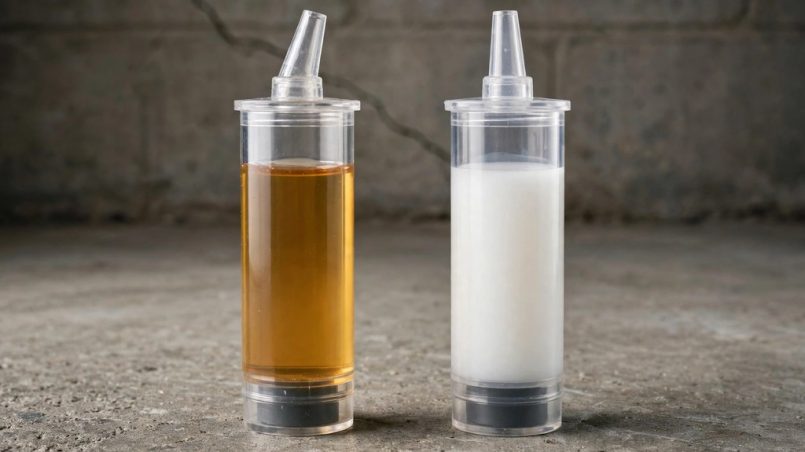
Epoxy suits dry, stable cracks that need structural strength restored. Polyurethane suits leaking cracks that need a flexible, waterproof seal. Epoxy vs polyurethane injection therefore depends mainly on crack movement and water.
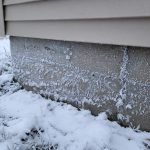
First, identify whether water enters the crack during rain or snowmelt. Homeowners often compare injection methods before choosing foundation crack repair for a basement wall. Next, check whether the crack widens, lengthens, or changes with seasonal shifts.
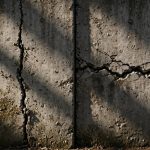
A stable shrinkage crack usually behaves differently from an active settlement crack. Moreover, wall material, crack width, and drainage conditions also shape the best choice. This guide compares strength, flexibility, water performance, cost, and installation directly.
How Epoxy Injection Works
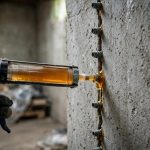
Epoxy injection fills a crack with a low viscosity resin adhesive. Next, technicians seal the crack surface with paste first, then attach small injection ports along its length. They inject resin through the lowest port first and move upward systematically.
The liquid resin penetrates narrow fissures and bonds both concrete faces together firmly. As a result, cured epoxy restores tensile strength across the repaired crack section. Moreover, the rigid bond helps a stable wall resist future stress and minor loads.
Epoxy works best in dry or slightly damp concrete conditions. Active water flow can wash resin away before curing completes properly. Therefore, technicians often stop leaks first or select a moisture tolerant formulation.
How Polyurethane Injection Works
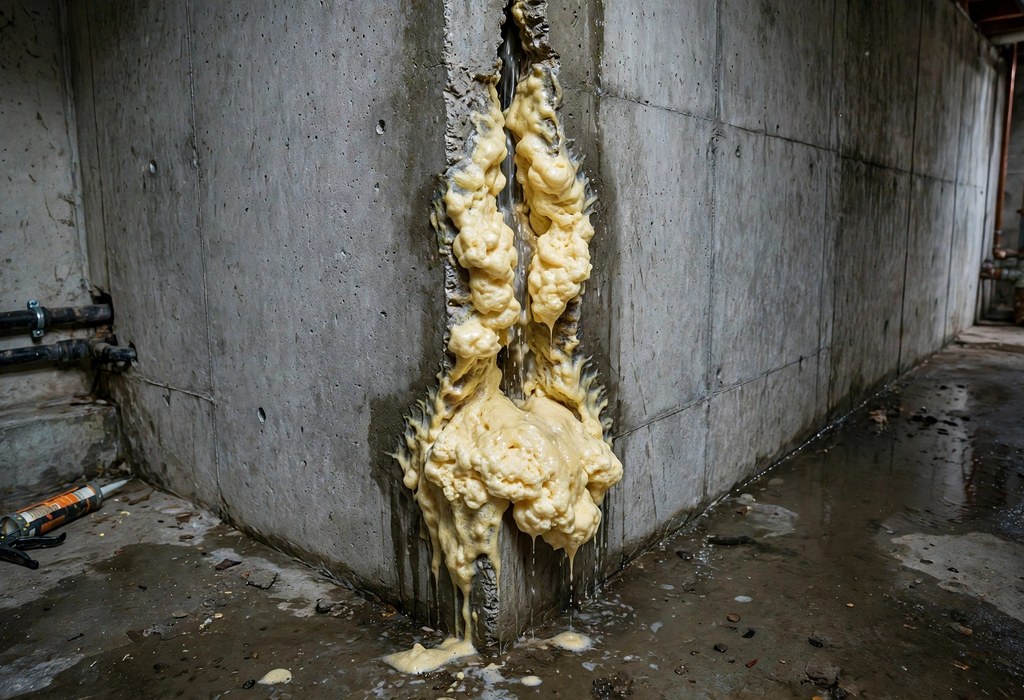
Polyurethane injection fills a crack with an expanding foam resin sealant. Next, technicians drill small holes or attach ports, then inject resin under controlled pressure. Moisture inside the crack activates the resin and triggers rapid foam expansion.
The foam expands into voids, branches, and irregular spaces inside the crack. Consequently, polyurethane creates a watertight barrier even in actively leaking cracks. In addition, the cured foam remains flexible enough to tolerate minor seasonal movement.
Polyurethane does not restore structural strength like epoxy does. Instead, it seals water pathways and protects concrete from further moisture damage. For example, basement walls with seepage often benefit more from polyurethane sealing.
Strength And Flexibility Compared
Strength separates these methods more clearly than any other single factor. Epoxy bonds concrete faces into one rigid unit after curing. Polyurethane, in contrast, prioritizes sealing and movement tolerance over structural bonding.
- Strength: Epoxy restores tensile strength across dry, stable cracks effectively. It locks both concrete faces together and resists tension after curing.
- Flexibility: Polyurethane stretches slightly with seasonal wall movement and temperature changes. It maintains its waterproof seal without cracking under minor shifts.
- Water Resistance: Polyurethane expands through wet cracks and blocks active water entry quickly. Epoxy bonds best when technicians control moisture before injection begins.
Homeowners should match the material strength to the crack problem, not the price alone. A flexible seal cannot replace structural bonding in a load bearing wall section. Similarly, a rigid bond cannot flex when an active crack continues moving slowly.
Water, Movement, And Crack Type
Water behavior often determines the correct injection choice faster than strength alone. Polyurethane reacts with moisture, so technicians use it for wet and leaking cracks. Epoxy, however, needs relatively dry surfaces for reliable adhesion and complete curing.
In addition, movement matters equally, because concrete expands, contracts, and settles over time. Dormant cracks stay stable in width and length across seasons. Active cracks widen, lengthen, or shift because settlement, soil pressure, or frost heave continues.
Vertical shrinkage cracks often stay dormant after initial concrete curing finishes. Similarly, diagonal cracks may signal settlement, so homeowners should monitor them closely first. Horizontal cracks, bowing walls, and stair step patterns require professional structural assessment promptly.
Cost, Cure Time, And Installation
Professional injection usually costs less than excavation and major structural reinforcement work. Homeowners researching foundation crack repair cost should compare crack length, access, and method carefully. In addition, multiple cracks on one visit often reduce the average price per crack.
Epoxy injection often costs $400 to $1,500 per crack, depending on length and complexity. Polyurethane injection often costs $300 to $1,200 per crack for similar single crack jobs. Moreover, finished walls, difficult access, and longer cracks can increase either price range.
Cure time also differs, because polyurethane foam often sets within hours. Epoxy typically needs several hours or a full day for complete curing. Therefore, homeowners should avoid painting, finishing, or stressing the repair prematurely.
Both methods usually need only interior access for standard poured concrete walls. Technicians complete most single crack injections within a few hours on site. In addition, interior injection avoids excavation, landscaping damage, and lengthy disruption.
Which Method Suits Your Crack
Choose epoxy for dry, dormant cracks where structural bonding matters most. Choose polyurethane for leaking, damp, or slightly moving cracks that need waterproof sealing. A guide to epoxy injection foundation crack repair explains DIY kit limits and professional methods clearly.
DIY kits suit only small, nonstructural, nonleaking cracks with clear access. Professionals assess crack cause, width, direction, and wall condition before injecting resin. Furthermore, a structural engineer should review horizontal cracks, bowing, or rapid widening.
Ask contractors which resin they recommend and why it suits your crack. Request a written explanation covering crack type, moisture, movement, and expected performance. Finally, compare warranties, cure time, and followup inspection terms before committing.
Common Mistakes To Avoid
Choosing epoxy for an actively moving crack often leads to renewed cracking nearby. Choosing polyurethane for a structural crack leaves strength restoration incomplete. Consequently, material choice without diagnosis wastes money and delays proper treatment.
Sealing only the interior surface rarely solves exterior water pressure problems. Hydrostatic pressure can push water against foundation walls during heavy rain. Therefore, homeowners should also correct drainage, gutter, and grading issues alongside any injection repair.
Frequently Asked Questions
Is Epoxy Or Polyurethane Better For A Leaking Foundation Crack?
Polyurethane usually works better for leaking cracks because moisture activates its expanding waterproof foam seal.
Can Epoxy Injection Restore Structural Strength?
Yes, epoxy restores tensile strength across dry, stable cracks by bonding concrete faces together rigidly.
How Long Does Polyurethane Injection Last?
Polyurethane seals often last many years when installers fill the full crack depth correctly.
Can Homeowners Inject Foundation Cracks Themselves?
Homeowners can inject small, stable, nonleaking cracks with kits, but professionals should assess structural cracks first.
Which Injection Method Costs Less?
Polyurethane often costs less per crack, although length, access, and crack condition influence final pricing.
Conclusion
Epoxy vs polyurethane injection is not a contest between good and bad materials. Each method solves a different foundation problem with distinct strengths and limits. Match the resin to crack stability, water presence, and structural needs first.
Inspect your crack, note water patterns, and track any width changes carefully. Then contact a qualified foundation specialist for an assessment and written repair recommendation. Finally, act promptly, because early injection often prevents moisture damage, mold growth, and costlier structural repairs.
Choose epoxy polyurethane injection based on movement, not price alone. Ask your contractor which epoxy polyurethane injection resin suits a wet crack. Never judge epoxy polyurethane injection options by price without checking movement ratings.