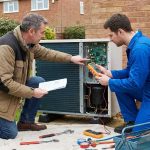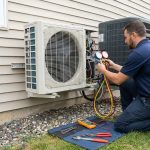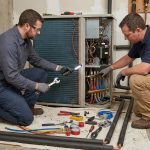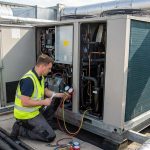
An emergency heat pump repair means getting your system fixed fast during dangerous temperatures, not routine downtime. Check your breaker and thermostat batteries first since those resolve many false alarms. If the system is truly dead, call a licensed technician offering 24-hour service right away.
Heat pump failures rarely happen at convenient times. They tend to show up during the first brutal cold snap or the hottest week of summer. Knowing exactly what steps to take in that moment protects both your home and your household.
Check These Three Things Before Calling Anyone
Many emergency calls turn out to be simple fixes. Ruling these out first saves money and frustration.
Start with the thermostat screen. A blank display often means dead batteries rather than a broken system. Replace them and confirm the mode matches the season.
Next, check your electrical panel for a tripped breaker. It sits halfway between on and off rather than fully in either direction. Switch it fully off, then back on to reset it.
Finally, locate the outdoor disconnect box mounted near the condenser unit. Confirm the switch inside sits in the on position. Yard work sometimes knocks it off accidentally.
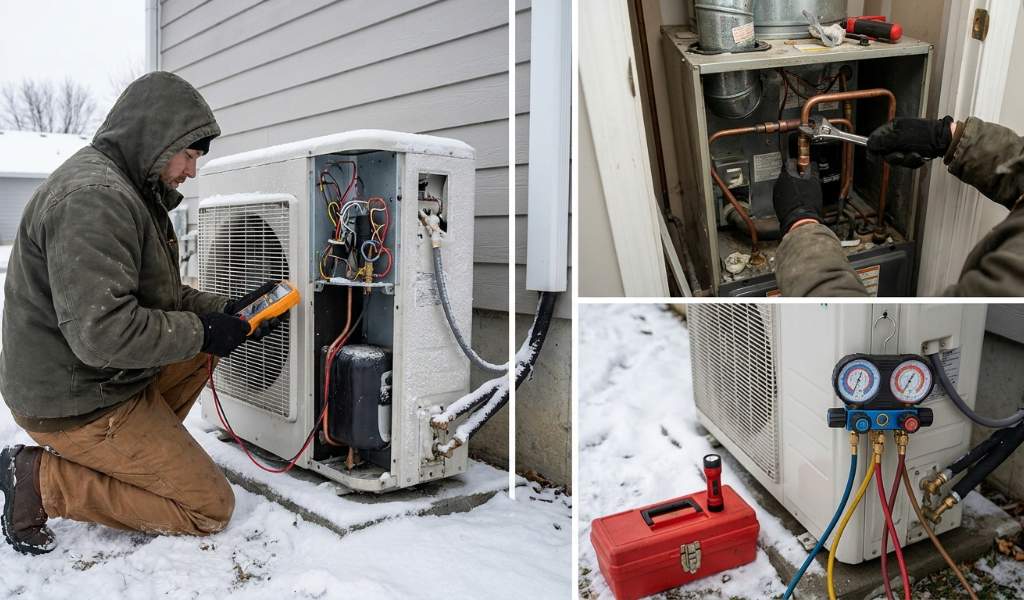
When the Situation Becomes a True Emergency
Not every failure requires an immediate after-hours call. Outdoor conditions and household vulnerability determine real urgency.
Temperatures below 25 degrees or above 95 degrees create genuine health risks. This is especially true for elderly family members, infants, and anyone with heart or respiratory conditions. Treat these situations as priority emergencies.
Consider these warning signs that push a situation into true emergency territory:
- Indoor temperature dropping below 60 degrees or rising above 85 degrees
- A vulnerable family member showing signs of heat or cold stress
- No backup heating or cooling source available in the home
- Pipes at risk of freezing due to extended cold exposure
If any of these apply, do not wait until morning. Call for emergency service immediately and take protective steps while you wait.
Finding a Trustworthy 24-Hour HVAC Company
Searching for help under pressure often leads to poor decisions. A few simple filters help you choose wisely even in a rush.
Search specifically for companies advertising 24/7 emergency HVAC service in your area. Check recent reviews quickly, focusing on detail rather than star count alone. Confirm the business has operated locally for at least three years before calling.
Always ask for the exact after-hours rate before agreeing to a visit. Legitimate companies disclose this number without hesitation. Avoid any contractor who refuses to quote pricing over the phone.
What Emergency Pricing Actually Looks Like
The heat pump repair costs more than daytime service, and there is a logical reason behind that. Technicians work outside normal hours, often in difficult weather conditions themselves.
Expect a service call fee between 100 and 200 dollars just for the visit. Parts and labor are billed separately on top of that fee. A repair costing 300 dollars during business hours might run 450 to 600 dollars as an emergency call.
Always request a written estimate before authorizing any work, even in urgent situations. Most reputable companies provide one within minutes over the phone. Your home warranty may also cover part of the emergency fee, so check that coverage first.
Helping the Technician Diagnose Faster
Organizing your observations speeds up the entire repair process significantly. A clear description helps the technician skip unnecessary diagnostic steps.
Note exactly what the system is doing or failing to do. Record any error codes displayed on the thermostat screen. Write down when the problem started and whether it happened suddenly.
Mention any recent changes too, such as a new thermostat or a recent power outage. This context often points directly to the likely cause. A well-prepared homeowner frequently reduces total repair time by thirty minutes or more.
Protecting Your Home While You Wait
Temporary measures matter while you wait for help to arrive. These steps reduce discomfort and prevent further complications.
In winter, open interior doors to share warmth from any room with a space heater. Never use the kitchen oven for heat since it creates a carbon monoxide risk. Focus any available heat source on rooms occupied by vulnerable family members.
In summer, close blinds to block direct sunlight from entering windows. Place a box fan in a window to draw in cooler air once evening arrives. Keep everyone hydrated and move activity to your home’s lowest, coolest level.
Standard heat pump repair principles apply here too, since diagnosing the true failure point still determines the fix regardless of urgency. An emergency call simply compresses the timeline, not the diagnostic process itself.
Conclusion
Emergency heat pump repair situations feel overwhelming, but a clear plan changes everything. Check the simple things first, assess real urgency honestly, and choose a technician using solid criteria rather than panic. Keep this guide bookmarked so you are ready the moment a true emergency strikes. If your system fails tonight, start with your breaker panel, then call a certified local technician without delay.
Frequently Asked Questions
What qualifies as a true heat pump emergency?
Any failure during temperatures below 25 degrees or above 95 degrees, especially with vulnerable family members present.
Are emergency HVAC rates negotiable?
Some companies waive the call fee if you schedule follow-up maintenance, though after-hours labor rates are generally fixed.
Can I run just the fan while waiting for a technician?
Yes, setting the thermostat to fan-only circulates air without engaging the compressor, which can offer mild relief.
How long does an emergency repair visit typically take?
Most single-component repairs take one to three hours once the technician arrives with the correct part.
Should I keep running a heat pump making strange noises?
No, grinding or screeching noises mean you should shut the system off immediately to prevent further damage.