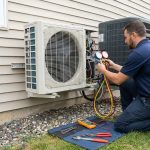
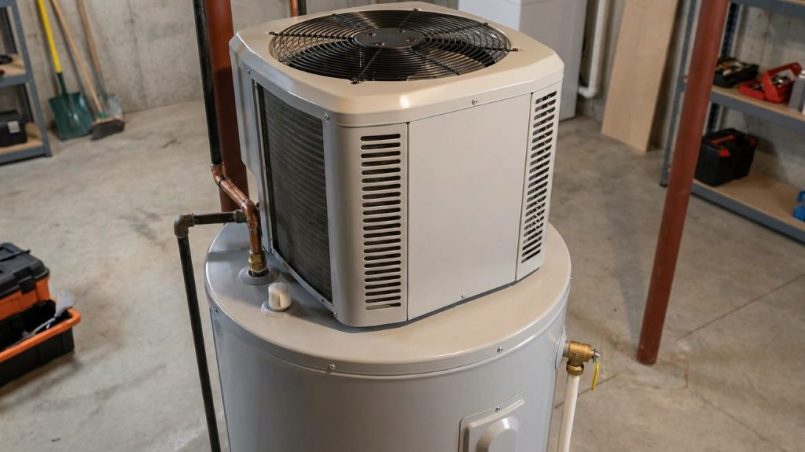
A heat pump water heater works by pulling heat energy from surrounding air and transferring it into your water tank. This refrigerant-cycle process makes it two to three times more efficient than standard electric resistance heating. When ambient air drops too cold, the unit automatically switches to backup resistance heat instead.
Understanding this mechanism explains both the energy savings and the common failure points. Once you know how the system actually moves heat, troubleshooting becomes far less confusing. This guide walks through the full process along with what typically goes wrong.
The Core Operating Principle Explained
A heat pump water heater contains four main components working together constantly. These include an evaporator coil, a compressor, a condenser coil wrapped around the tank, and a connecting refrigerant circuit. Each piece plays a distinct role in the heat transfer process.
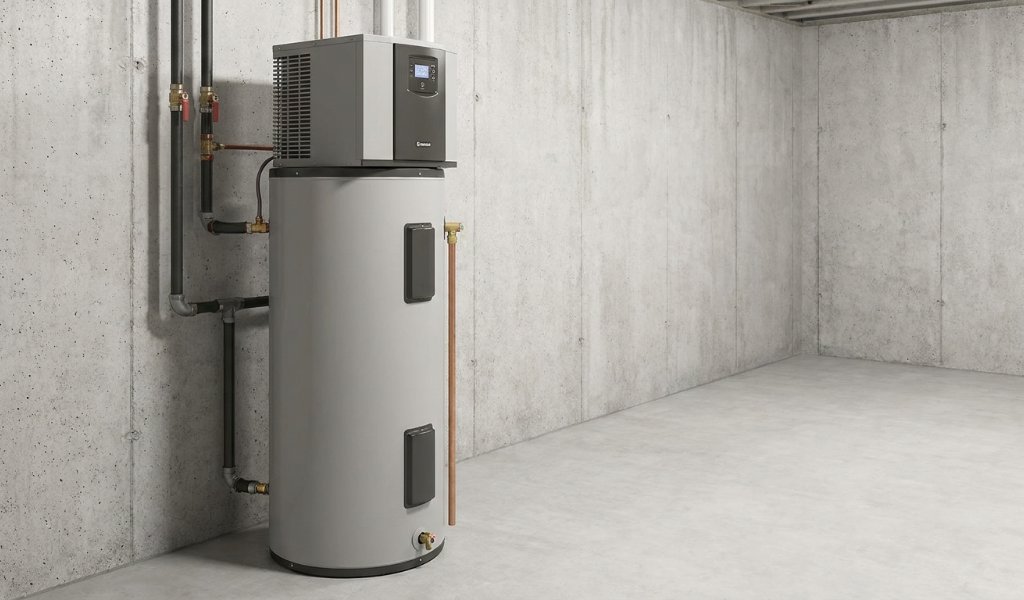
Air from the surrounding room enters the unit through a filter first. It passes across the evaporator coil, where refrigerant absorbs heat and evaporates into gas. That gas then travels to the compressor for pressurizing.
The compressor raises both pressure and temperature of the refrigerant significantly. This hot, pressurized gas flows through the condenser coil wrapped around the tank. Heat releases into the water there before the refrigerant returns to liquid form and repeats the cycle.
Interestingly, the air leaving the unit comes out cooler and drier than it entered. This creates a useful side effect in warmer climates especially. The unit effectively provides mild cooling and dehumidification while heating water simultaneously.
Where Installation Location Actually Matters
Placement significantly affects how well a heat pump water heater performs over time. The unit needs continuous access to a decent volume of ambient air. Installing it inside a small, sealed closet starves the system of usable air.
A space with at least 700 to 1,000 cubic feet works best for proper airflow. Basements, garages, and utility rooms typically offer ideal conditions for installation. Cramped spaces force the unit into constant backup heating, erasing most efficiency gains.
The unit also needs 7 to 12 inches of clearance around both the intake and exhaust. It produces modest noise similar to a window air conditioner during operation. Expect the surrounding room to feel slightly cooler whenever the unit runs.
Understanding the Different Operating Modes
Most heat pump water heaters offer several selectable operating modes for different needs. Each mode balances efficiency against recovery speed differently depending on household demand.
Consider these common modes found across most residential models:
- Heat pump only: maximum efficiency with slower recovery, ideal for steady daily use
- Hybrid or auto: the default setting, balancing efficiency with faster backup recovery
- Electric resistance only: bypasses the heat pump entirely for rapid hot water needs
- Vacation or away mode: keeps water minimally warm to save energy during absences
Hybrid mode works well for most households without requiring manual adjustment.
Common Heat Pump Water Heater Problems
Dirty Air Filter
Every unit includes an air filter that prevents debris from coating the evaporator coil. A clogged filter restricts airflow and gradually reduces overall efficiency. Eventually the system falls back on resistance-only heating entirely.
Cleaning this filter is simple and requires no technical skill whatsoever. Remove the access panel, pull out the mesh screen, and rinse it under cool water. Let it dry completely before reinstalling, then repeat every one to three months.
Evaporator Coil Fouling
When filter maintenance gets neglected long enough, debris eventually reaches the coil itself. A fouled coil reduces heat transfer efficiency significantly over time. Cleaning it properly requires coil cleaner spray and careful access, usually handled by a technician.
Fan Motor Failure
The fan draws ambient air across the evaporator coil continuously during operation. When this motor fails, the refrigerant cycle loses its primary heat source entirely. You may notice no airflow from the unit along with an unusual humming sound.
Refrigerant Leak
Like any heat pump system, this unit relies on refrigerant sealed within a closed circuit. Leaks typically occur at fittings or compressor connections over time. Diagnosis and repair always require a licensed technician with proper certification.
Anode Rod Depletion
The anode rod inside the tank sacrifices itself to prevent tank corrosion naturally. Once fully depleted, the tank itself becomes vulnerable to rust and damage. Inspecting and replacing this rod every three to five years extends tank life considerably.
Condensate Overflow
The dehumidification process produces condensate that drains through a dedicated line. A clogged line causes water to back up into the unit’s electrical components. Inspect and flush this line annually to avoid unexpected damage.
Deciding Between Repair and Replacement
These units typically last 10 to 15 years with reasonable maintenance over time. When a major component like the compressor fails near that age, repair often stops making financial sense. The same cost-benefit thinking used in standard heat pump repair applies directly here too.
For units under 8 years old, most single-component repairs remain economically sensible investments. Parts like fan motors and control boards stay reasonably priced for major brands. Weigh the unit’s age carefully against any quoted repair cost before deciding.
Real Energy Savings You Can Expect
The efficiency advantage here is genuinely substantial compared to older technology. A typical electric resistance water heater uses roughly 4,000 to 5,500 watts for operation. A heat pump water heater uses only 1,500 to 2,000 watts for equivalent output.
Annual savings between 200 and 500 dollars are common compared to standard electric models. Actual savings depend heavily on household usage and local utility rates. Check current state and utility rebate programs, since incentives shift periodically throughout the year.
Conclusion
Understanding exactly how does a heat pump water heater work makes every future troubleshooting decision easier. The refrigerant cycle explains both the impressive efficiency and the specific points where failures tend to occur. Keep the filter clean, watch the anode rod, and schedule occasional professional checkups. If your unit is struggling to keep up with demand, start with the filter before assuming the worst.
Frequently Asked Questions
Does a heat pump water heater need refrigerant service?
Yes, any refrigerant leak requires a licensed technician to repair and recharge the system properly.
Can a heat pump water heater work in a cold basement?
Yes, though performance drops below 40 degrees, pushing the unit toward backup resistance heating more often.
How loud is a heat pump water heater during operation?
Expect noise similar to a window air conditioner, roughly 50 to 60 decibels while running.
What size space does the unit actually need?
At minimum, 700 to 1,000 cubic feet of space above 40 degrees for proper efficiency.
How often should the air filter be cleaned?
Clean it every one to three months, more often in dusty garages or workshops.