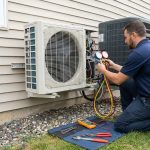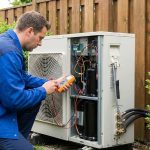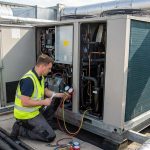
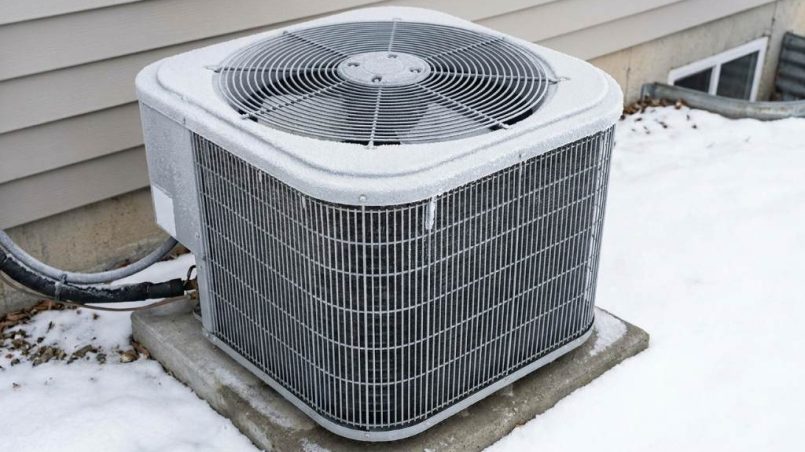
Learning how to defrost heat pump outdoor unit safely starts with one key distinction. Light frost on the coil during cold weather is completely normal. Heavy ice covering the whole unit means something has gone wrong and needs attention.
A heat pump naturally develops frost as it pulls heat from cold outdoor air. The system clears this automatically through a built-in defrost cycle. Understanding when to step in versus when to let the system handle itself prevents both unnecessary worry and real damage.
The Normal Frost and Defrost Cycle Explained
A heat pump extracts heat from outdoor air even in cold temperatures. Refrigerant circulates through the outdoor coil, pulling available warmth from the air around it. Moisture in cold, humid air naturally freezes on contact with that cold coil surface.
The control board constantly monitors both coil and outdoor temperature. When coil temperature drops below a set threshold, usually around 30 degrees, it triggers defrost. During this cycle, the reversing valve briefly switches modes, sending warm refrigerant through the outdoor coil to melt accumulated frost.
You may notice the outdoor fan stopping and steam rising from the unit during defrost. This typically lasts between two and ten minutes. It is a completely normal and expected part of winter operation.
What Abnormal Icing Actually Looks Like
Normal frost appears as a thin, even white coating across the coil fins. It clears quickly during each defrost cycle without lingering. This pattern repeats every 30 to 90 minutes in cold, humid conditions.
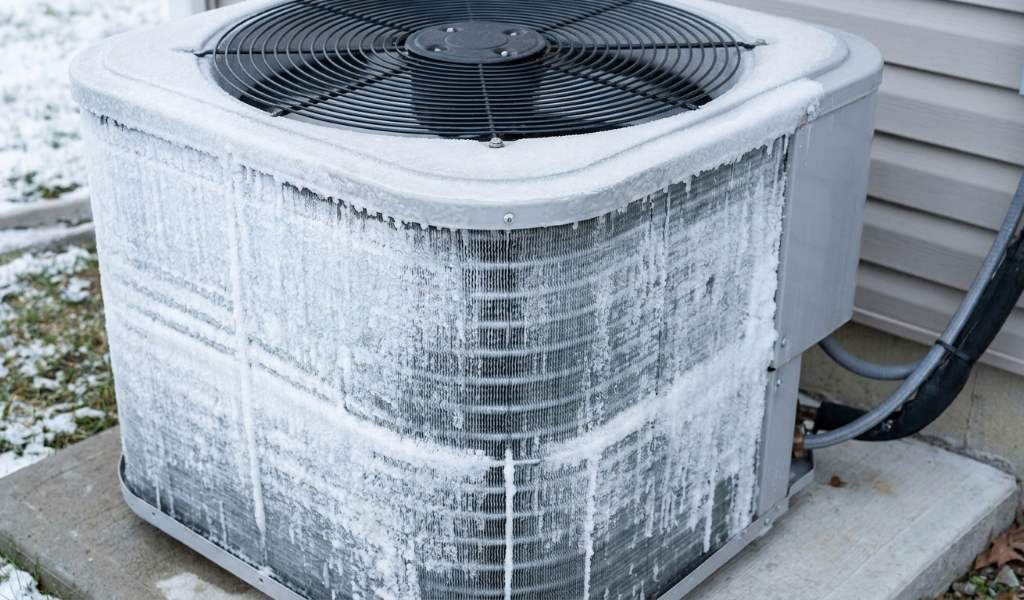
Abnormal ice looks very different and much more severe. Thick, clear ice covers the entire coil along with the top panel and base. It fails to clear between defrost cycles and keeps building steadily over several hours.
Consider these signs that point clearly to abnormal icing:
- Ice covering refrigerant lines in addition to the coil itself
- No steam or visible defrost activity occurring for several hours
- The outdoor fan remaining completely motionless while the system runs
- Ice returning within minutes after a manual clearing attempt
Any of these signals mean the defrost system itself has failed somewhere.
Safe Methods to Defrost the Unit Manually
Never chip or chisel ice off a heat pump coil under any circumstances. The aluminum fins bend extremely easily under pressure. A punctured refrigerant line turns a simple defrost issue into a costly leak repair.
Method One: Warm Water Rinse
Use a garden hose with warm, not boiling, water to gently rinse ice from the coil. Work consistently from top to bottom across the unit. This remains the fastest and safest manual defrost method available.
Method Two: Switch to Emergency Heat
Set your thermostat to the emergency heat setting if your system offers one. This runs only the indoor electric backup strips without operating the heat pump at all. The outdoor unit stops completely, letting ice melt naturally over a few hours.
Method Three: Power Off and Wait
Turn the system off entirely at the thermostat or breaker panel. Allow the unit to thaw gradually over three to six hours in above-freezing conditions. This gentle method requires supplemental indoor heat while you wait.
What Causes Abnormal Ice Buildup
Understanding the root cause matters because each one requires a different fix. Treating the wrong cause wastes both time and money.
Low refrigerant charge causes coil temperatures to drop too far below normal operating range. The coil freezes faster than the defrost cycle can ever clear it. A technician must locate the leak, seal it properly, then recharge the system fully.
A failed defrost control board prevents the defrost cycle from starting altogether. Without that signal, ice accumulates without any natural limit. Replacing this board requires professional electrical knowledge and proper tools.
A faulty defrost sensor feeds incorrect temperature readings back to the control board. The board never sees the conditions needed to trigger defrost. Sensors are relatively inexpensive parts, though testing them still requires a trained technician.
Blocked airflow from debris or heavy snow also accelerates ice formation significantly. Always maintain at least 12 inches of clearance around every side of the unit. An outdoor fan motor failure produces a similar result, since no warm air moves across the coil at all.
After Defrosting, What to Watch For
Once you clear the ice and restart the system, observe it closely for the next hour. A properly functioning defrost cycle should keep the coil consistently clear afterward. Watch specifically for these warning signs that trouble still remains.
Ice returning within 30 to 60 minutes signals the underlying cause was never resolved. An outdoor fan that still refuses to run points to a motor problem. No steam or defrost activity means the control board or sensor likely needs replacement.
If any of these persist, the system genuinely needs professional diagnosis right away. Standard heat pump repair principles apply here, since a technician must identify the specific failed component before any lasting fix is possible. Guessing at parts wastes money without solving the actual problem.
Preventing Ice Problems Before They Start
A little prevention goes a long way toward avoiding abnormal icing altogether. Simple habits keep your system running smoothly through winter months.
Keep landscaping trimmed well back from the outdoor unit year-round. Clear snow from around the base after storms without touching the coil fins directly. Elevate the unit on a solid pad above typical regional snow depth.
Some homeowners install a canopy-style top cover during heavy snowstorms. This prevents heavy snow accumulation while still allowing proper airflow through the sides.
Conclusion
Knowing how to defrost heat pump outdoor unit correctly protects both your system and your wallet. Light frost needs no action at all, while heavy ice demands quick, careful attention. Use warm water or emergency heat mode rather than any sharp tool. If ice keeps returning after you clear it, stop troubleshooting alone and call a licensed technician today.
Frequently Asked Questions
Is it okay if my heat pump outdoor unit has some frost on it?
Yes, light frost during cold weather is completely normal and clears through routine defrost cycles.
How long does a normal defrost cycle take?
A typical defrost cycle lasts two to ten minutes, often with visible steam rising from the unit.
Can I use a hair dryer to defrost my heat pump?
No, the cord creates an electrical hazard near water, so a garden hose is much safer.
How do I know if my defrost board has failed?
Heavy ice building for several hours with no defrost activity strongly suggests a failed control board.
Will heavy icing permanently damage my heat pump?
Running a severely iced unit risks compressor damage, so shut it off and clear the ice first.