
Most standard policies do not cover most foundation cracks. Coverage for homeowners insurance foundation cracks depends mainly on the cause, not the crack size. A sudden covered peril can trigger coverage, but gradual settling rarely qualifies for payment.
Start by reading your declarations page and exclusions section before you assume any protection exists. Meanwhile, prompt foundation crack repair can limit further damage and preserve evidence for an adjuster. Additionally, a clear cause statement helps your insurer separate a sudden loss from gradual wear.
This guide explains covered perils, common exclusions, endorsements, and smart claim steps. Therefore, you can check your policy, gather proof, and act before small cracks grow worse.
What Homeowners Insurance Usually Covers For Foundation Cracks
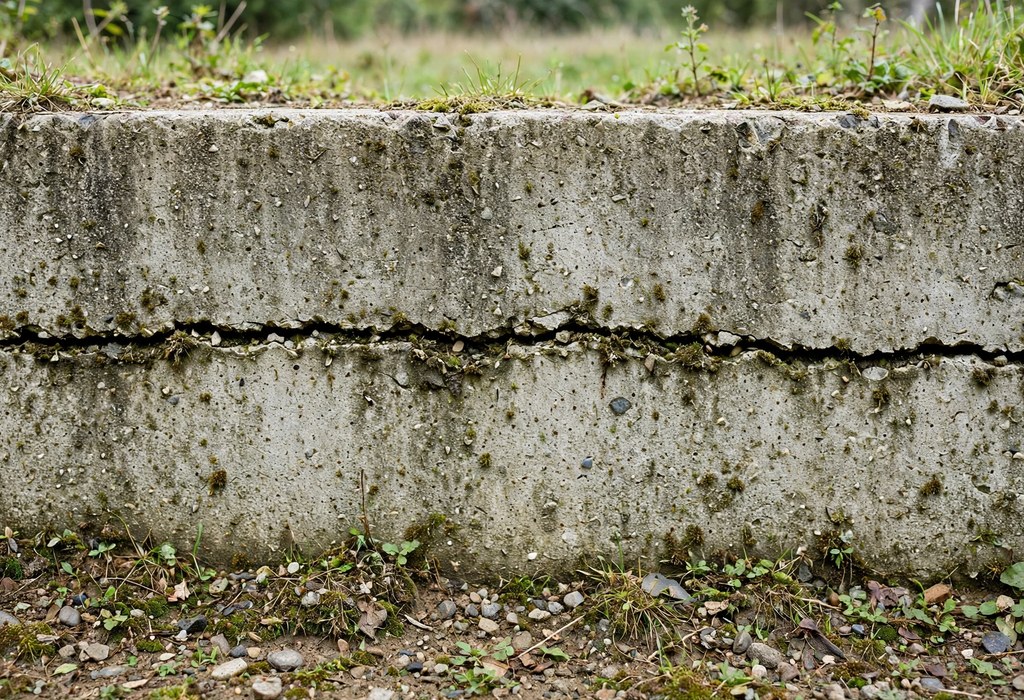
Standard homeowners policies protect the dwelling against sudden, accidental losses from named or open perils. For example, a burst pipe under a slab can erode soil and crack concrete within days. Similarly, fire, explosion, vehicle impact, or a falling tree can damage a foundation suddenly.
In contrast, your insurer focuses on the triggering event, not merely the visible crack pattern. Consequently, a covered peril must directly cause the foundation damage for payment to follow. Your policy may also cover resulting interior damage, such as cracked drywall or sticking doors.
- Burst pipe: A sudden pipe break can wash soil from beneath a footing. Therefore, act quickly and document the leak source.
- Falling tree: A storm can topple a tree onto a home and crack a foundation wall. Also, photograph the tree, impact point, and damage.
- Vehicle impact: A vehicle can strike a home and shift a foundation wall suddenly. Then, obtain the police report and repair estimates promptly.
- Fire or explosion: A fire or explosion can weaken concrete and create structural cracks quickly. Next, preserve evidence and notify your insurer immediately.
What Homeowners Insurance Policies Usually Exclude For Foundation Cracks
Most homeowners insurance foundation cracks stem from gradual forces, and standard policies exclude those forces. Earth movement excludes earthquakes, landslides, sinkholes, mudflows, and slow soil subsidence from standard coverage. Settling, shrinking, bulging, and expansion also fall under wear and tear exclusions in many policies.
Moreover, poor drainage, clogged gutters, and improper grading often cause preventable water damage near foundations. Hydrostatic pressure from groundwater can push against basement walls, yet standard policies generally exclude that pressure. Tree roots, faulty construction, and long-term neglect also trigger denials for preventable risks.
- Normal settling: Soil compaction can create hairline cracks over time. Consequently, insurers treat this gradual change as maintenance, not a sudden loss.
- Expansive clay soil: Clay soil swells when wet and shrinks during dry spells. As a result, this repeated movement can crack foundations without triggering standard coverage.
- Flood water: Rising water and surface runoff can undermine foundations during storms. Therefore, owners need separate flood coverage for rising water damage.
- Construction defects: Faulty workmanship or poor materials can weaken a foundation over time. Instead, builders, contractors, or warranty programs handle those defects, not standard insurers.
Why Cause Matters More Than Crack Size
Adjusters investigate the cause first, because the cause determines coverage under homeowners insurance foundation cracks claims. Hairline cracks often signal normal curing or minor settling, while horizontal cracks can signal serious soil pressure. Stair-step cracks in block walls can signal uneven settlement, so professionals should assess them promptly.
A structural engineer can identify the failure mechanism, measure movement, and link damage to a specific event. Therefore, an engineer report carries more weight than photos alone during a claim review. Nevertheless, homeowners should photograph cracks, measure widths, and record dates before any repair work begins.
Costs, Deductibles, and Coverage Limits
Foundation repair costs vary widely by crack type, access, method, and structural severity. Structural work can range from $2,000 to $15,000, and severe cases can exceed $50,000. Minor epoxy injection usually costs far less, but hidden structural movement can raise totals quickly.
Your deductible applies first, so you pay that amount before your insurer pays any approved remainder. Policy limits also cap the total payment, and endorsements can change limits for specific perils.
Furthermore, owners planning selling house foundation cracks should disclose known issues and gather repair records early. Clear records also help buyers, lenders, and insurers understand the repair history.
Extra Coverage Options Worth Checking
Separate earthquake insurance can cover quake-driven foundation damage in high-risk areas. Likewise, flood insurance can cover rising water damage, although standard policies exclude flood losses. Sinkhole coverage, where available, can address catastrophic ground collapse under specific policy terms.
A sewer backup endorsement can add protection when drains or sump pumps overflow into a basement. In addition, a builder warranty may cover structural defects in newer homes for a limited period. Review each option at renewal, compare limits, and confirm waiting periods before damage occurs.
How to File a Strong Homeowners Insurance Foundation Cracks Claim
First, stop the source of damage, protect the home from further harm, and photograph every crack. Next, contact your insurer promptly, describe the sudden event clearly, and request a claim number.
Then, a reputable foundation crack repair company can inspect the damage and provide a detailed written estimate. Keep that estimate with your photos and claim number for reference.
Meanwhile, keep receipts, contractor notes, plumber reports, and engineer findings in one organized file. Avoid repairing structural damage before the adjuster inspects it, unless emergency stabilization prevents further harm. Finally, ask the adjuster to explain any denial in writing and identify the specific exclusion.
What to Do If Your Claim Gets Denied
Do not accept a denial at face value, because adjusters sometimes misclassify a sudden loss as settling. Request the engineering basis for the decision, review your policy language, and compare it with your evidence. An independent engineer can challenge a weak finding with measurements, soil data, and timeline evidence.
You can also appeal through your insurer internal review process and submit additional documentation promptly. If the dispute continues, consult a licensed insurance professional or attorney about your options and deadlines. At the same time, maintain drainage, extend downspouts, and monitor cracks so further damage stays limited.
Frequently Asked Questions
Does Homeowners Insurance Cover Hairline Foundation Cracks?
Usually, insurers treat hairline cracks as normal settling, unless a covered peril directly causes them.
Does Homeowners Insurance Cover Foundation Cracks From Earthquakes?
Standard policies exclude earthquake damage, so owners need separate earthquake coverage for that risk.
Does Homeowners Insurance Cover Foundation Cracks From Flooding?
No, standard policies exclude flood damage, so owners need separate flood insurance for rising water losses.
What Should I Do First After Finding a Foundation Crack?
Photograph the crack, measure its width, check for leaks, and contact a qualified inspector promptly.
Can I Appeal a Denied Foundation Crack Claim?
Yes, you can appeal with an engineer report, photos, repair estimates, and a written policy review.
Conclusion
Overall, homeowners insurance foundation cracks coverage turns on cause, timing, and clear proof. Check your exclusions now, add endorsements where gaps exist, and document any sudden damage immediately. Contact your insurer and a qualified foundation professional today to review coverage and inspect your foundation.