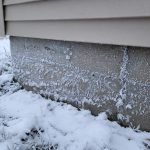
This crack repair cost guide shows what most homeowners pay for a single small crack repair. Larger structural jobs often climb past 10000 dollars quickly. Therefore, your final foundation crack repair cost depends mainly on crack type, repair method, and damage severity.
First, inspectors identify whether movement, water pressure, or soil shrinkage caused the crack. Next, contractors match a repair method to that cause and to your foundation type. Additionally, local labor rates, access limits, and hidden drainage problems shape the final quote.
Meanwhile, early repairs protect your budget, since small cracks rarely need piers or wall anchors. For example, sealing one stable crack costs far less than stabilizing a settling wall section. Finally, clear written estimates help you compare methods, materials, and warranties without confusion.
What Sets Your Crack Repair Cost
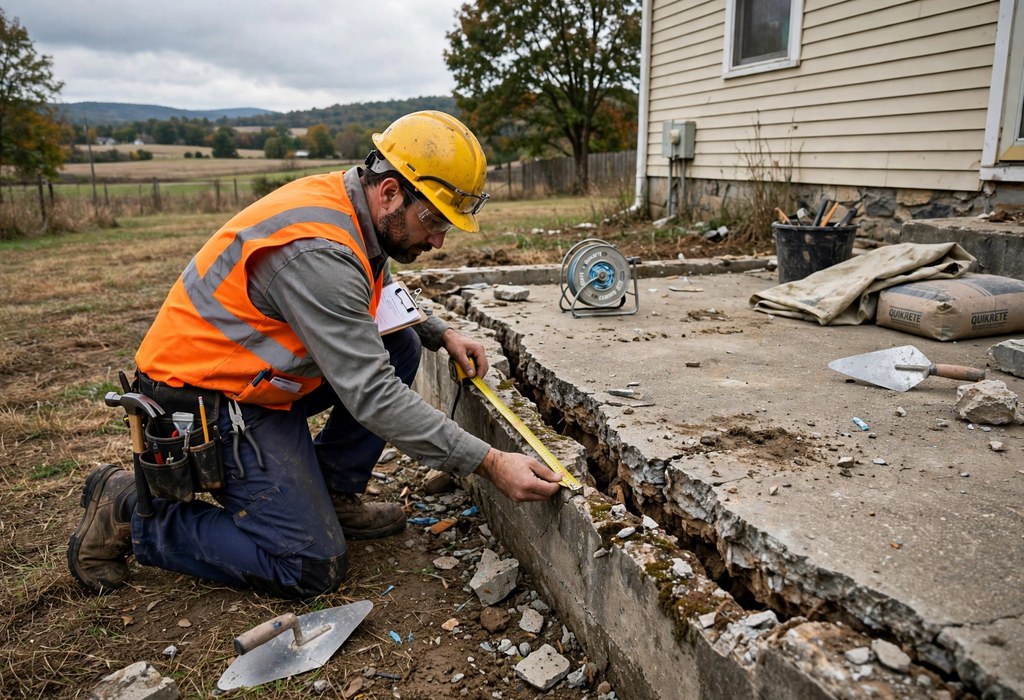
First, learn how foundation crack repair works before you compare quotes or choose a method. Next, gather inspection notes, crack photos, and past repair records. Additionally, note crack width, direction, and any water entry.
Contractors charge more for active movement than for stable hairline cracks. Soil type also matters greatly, since expansive clay swells, shrinks, and stresses concrete repeatedly. Furthermore, basement walls, concrete slabs, and crawl spaces each demand different tools, materials, and labor hours.
Access limits raise prices too, especially when crews excavate soil by hand near landscaping. Similarly, wide cracks, stair step patterns, and bowing walls signal deeper structural trouble. Consequently, a thorough inspection saves money by preventing a cheap patch on a moving foundation.
Average Crack Repair Cost By Method
Epoxy injection usually offers the lowest price for narrow, stable cracks. Polyurethane injection costs slightly more, yet it flexes with minor movement and blocks water leaks. Meanwhile, piering, wall anchors, and carbon fiber straps cost far more because crews stabilize the whole structure.
- Epoxy injection: Seals narrow stable cracks for 250 to 800 dollars per crack.
- Polyurethane injection: Blocks water leaks for 400 to 1500 dollars per crack.
- Carbon fiber straps: Reinforce bowing walls for 400 to 800 dollars per strap.
- Wall anchors: Stabilize leaning walls for 500 to 1000 dollars per anchor.
- Steel push piers: Support settling sections for 1000 to 3000 dollars per pier.
- Helical piers: Anchor lighter structures for 1500 to 2500 dollars per pier.
- Slabjacking: Lifts sunken slabs for 500 to 3000 dollars per area.
Most pier jobs need six to twelve piers, so totals often reach 8000 to 25000 dollars. However, contractors price piers individually, and pier count drives the total more than house size. Therefore, always ask contractors to explain pier spacing, pier depth, and load bearing soil in writing.
How Crack Type Changes Repair Cost
Hairline vertical cracks usually cost least, since crews seal them quickly with injection resin. Horizontal cracks cost more because soil pressure often bows the wall behind them. Additionally, stair step cracks in block walls suggest settlement, so contractors may recommend anchors or piers.
Leaking cracks add waterproofing costs, including sealants, interior drain tile, or exterior membrane work. Next, crews may add a sump pump when groundwater keeps entering through the crack. In contrast, dry cosmetic cracks need only sealing and monitoring, not structural reinforcement.
Hidden Crack Repair Cost Factors Homeowners Often Miss
A structural engineer inspection typically costs 300 to 1000 dollars, yet it prevents costly misdiagnosis. Soil testing adds 500 to 2000 dollars when expansive soil or poor drainage clouds the diagnosis. Moreover, permits often cost 75 to 500 dollars, depending on local rules and project scope.
Drainage correction also adds expense, since grading, gutters, and downspout extensions redirect water away from walls. Interior waterproofing ranges from 2000 to 10000 dollars, while exterior waterproofing can reach 8000 to 25000 dollars. Finally, landscaping repair, concrete replacement, and interior finish repair follow many excavation jobs.
DIY Crack Repair Versus Professional Repair Cost
Homeowners can seal tiny hairline cracks with a retail kit for 50 to 250 dollars. However, DIY kits cannot stabilize moving walls, correct settlement, or stop structural water pressure. Consequently, professionals suit any crack wider than a quarter inch, any horizontal crack, and any growing crack.
Licensed crews diagnose soil movement, choose correct resin, and warranty their work against future leaks. For a closer look, compare epoxy injection foundation crack repair with surface sealing first.
Similarly, professionals carry insurance, follow building codes, and document repairs for future buyers. DIY savings disappear quickly when a failed patch allows water damage, mold growth, or wider cracking. Consequently, spend DIY money only on stable cosmetic cracks and monitor them closely afterward.
How To Compare Crack Repair Cost And Save Money
Collect at least three written estimates before you approve any foundation work. Each estimate should list crack count, repair method, materials, labor, permits, and warranty terms separately. Additionally, compare pier counts directly, since extra piers inflate totals without adding stability.
Ask each contractor about drainage, soil conditions, and long term monitoring during the inspection visit. When you vet a foundation crack repair company, check licensing, insurance, references, and transferable warranty terms carefully.
Avoid today only pricing, vague scopes, and quotes that skip an inspection entirely. Furthermore, negotiate bundled pricing when one crew handles sealing, drainage, and stabilization together. Finally, schedule repairs early, since small cracks cost far less than settlement correction later.
Financing Crack Repair Cost And Home Value
Standard homeowners insurance rarely covers settlement, soil movement, or gradual water damage. Coverage sometimes applies after sudden events, such as burst pipes or fire damage. As a result, photograph damage promptly, notify your insurer quickly, and read exclusions before assuming coverage.
Many contractors offer monthly payment plans, while home equity loans often carry lower interest rates. However, compare interest rates, loan terms, and total borrowing costs before signing any financing agreement. Documented repairs with transferable warranties also protect resale value, whereas unrepaired damage often reduces buyer offers significantly.
Frequently Asked Questions
How Much Does Foundation Crack Repair Cost On Average?
Small cracks cost 250 to 800 dollars each, while major jobs often exceed 10000 dollars.
Does Homeowners Insurance Cover Foundation Crack Repair?
Standard policies usually exclude settlement and soil movement, although sudden covered events may qualify for a claim.
How Long Does Foundation Crack Repair Take?
Small injections usually finish within one day, whereas pier installation typically takes two to five days.
Can I Repair A Foundation Crack Myself?
You can seal tiny stable hairline cracks yourself, but professionals should handle structural, leaking, or growing cracks.
Does Foundation Crack Repair Affect Home Value?
Documented warranted repairs protect resale value, while unrepaired cracks often scare buyers and lower offers.
Take The Next Step Toward A Stable Foundation
Start with a professional inspection, compare three detailed written quotes, and fix drainage problems alongside the crack. Early action keeps repair costs low and prevents small damage from growing further. Contact a licensed contractor today and request a written warranted estimate.
Use this crack repair cost guide to compare at least three written quotes. A good crack repair cost guide also flags hidden fees before you sign. Keep this crack repair cost guide handy when the first contractor visits.