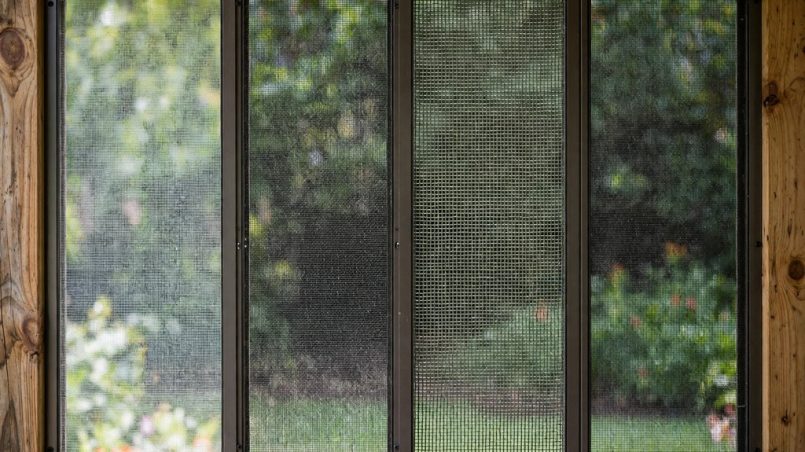
Most porch screen types use fiberglass, while aluminum and polyester solve specific problems. However, each material trades visibility, airflow, durability, insect protection, and maintenance differently. Therefore, the best choice depends on pets, insects, sun, views, and coastal air.
For example, dark mesh often sharpens outward views from inside the porch. Meanwhile, finer or thicker weaves protect better but also reduce passing breezes somewhat noticeably. This guide runs every material through the same five practical tests. Then it matches each option to different households and daily routines.
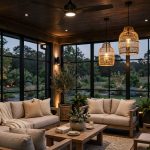
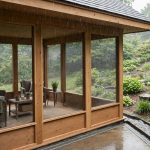
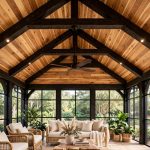
Natural frames, warm colors, and comfortable furniture deserve screening that supports them quietly. Overall, thoughtful screening keeps the porch feeling open, calm, and genuinely connected outdoors.
How to Compare Screen Materials
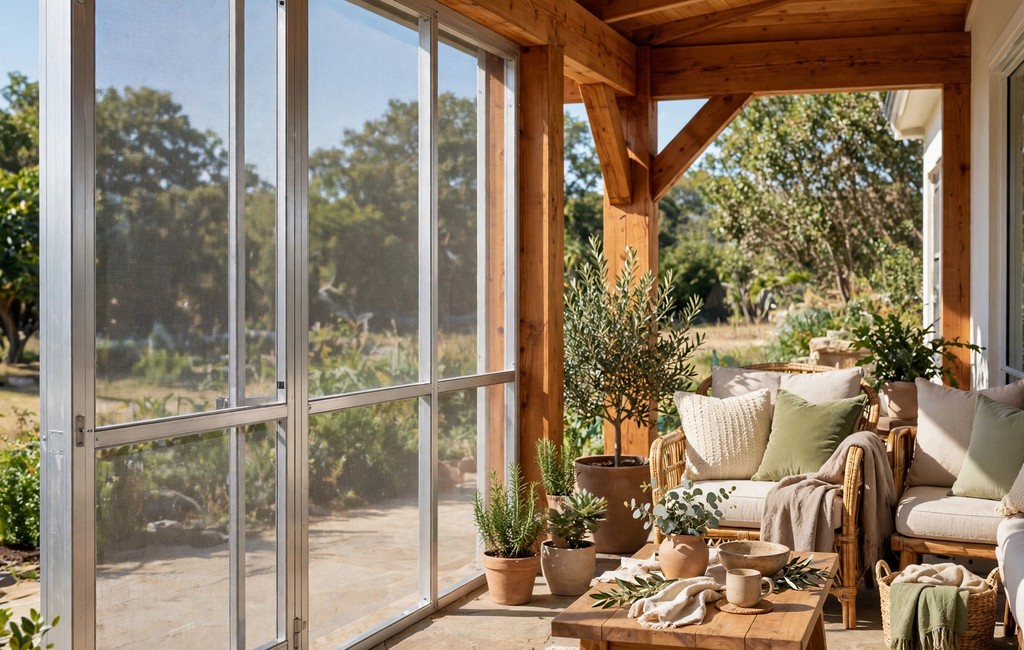
First, compare available materials against your favorite screened in porch ideas and porch conditions. Also, test visibility in daylight and judge airflow on a still day. Then check durability, insect protection, and ongoing maintenance before choosing any mesh.
Standard insect mesh stops mosquitoes and flies with an open, balanced weave. Instead, finer no-see-um mesh uses smaller openings to block tiny biting insects. Similarly, thicker strands improve strength but also change light, breeze, and clarity.
Homeowners should also consider how multifunctional layouts change daily screen contact. For example, dining zones need airflow, while reading corners need calm shade. In fact, the busiest zone often decides the toughest mesh needed.
Fiberglass Porch Screen Types
Fiberglass uses vinyl-coated glass strands woven into a flexible and forgiving mesh. However, its softness helps installation but also limits strength under repeated pressure. Also, it suits quiet porches with natural materials and warm, earthy colors. Standard porch screen types use fiberglass mesh most often.
- Visibility: Also, dark fiberglass gives clear outward views and reduces daytime glare noticeably.
- Airflow: Then the open standard weave lets breezes pass freely through the porch.
- Durability: However, flexible strands resist creasing yet tear and sag under sharp pressure.
- Insect protection: Standard fiberglass blocks mosquitoes and flies but lets tiny midges pass through.
- Maintenance: Finally, owners clean fiberglass gently and replace damaged panels quite easily.
Aluminum Porch Screen Types
Aluminum weaves thin metal strands into a rigid and notably crisp screen. Meanwhile, salty coastal air can corrode unprotected aluminum over time. In addition, it pairs crisply with modern frames and clean architectural lines. Metal porch screen types resist tearing much better.
- Visibility: Also, dark aluminum delivers especially sharp views with very little visual distortion.
- Airflow: Standard aluminum weave allows steady airflow, though strands feel slightly more present.
- Durability: However, strong metal resists tearing yet creases and dents after hard knocks.
- Insect protection: Standard aluminum blocks common flying insects but not the smallest biting midges.
- Maintenance: Finally, owners rinse salty deposits promptly because corrosion weakens exposed coastal panels.
Polyester Porch Screen Types
Polyester screens coat strong synthetic strands with vinyl for much greater toughness. As a result, pets and busy families stress this mesh far less. Still, its thicker look suits active porches more than delicate view porches. Fine porch screen types block even tiny insects.
- Visibility: However, thicker strands slightly soften views and make the mesh more noticeable.
- Airflow: Also, the denser weave reduces airflow modestly compared with standard fiberglass mesh.
- Durability: Strong polyester resists claws, paws, pushes, and repeated impacts without tearing easily.
- Insect protection: Standard polyester mesh blocks mosquitoes and flies like other standard screens do.
- Maintenance: Finally, owners wash polyester gently and replace panels using standard framing tools.
Specialty Porch Screen Types
Specialty screens change weave, thickness, or shading to solve one particular problem. Therefore, each option gains protection but also gives up something in return. For example, one porch can combine several specialty meshes in different zones.
- Visibility: Dark specialty mesh improves outward visibility, though solar weave darkens views most.
- Airflow: However, fine and solar weaves restrict airflow more than standard mesh does.
- Durability: Pet-resistant polyester leads specialty durability, while fine mesh needs gentler handling overall.
- Insect protection: Fine no-see-um mesh blocks tiny biting insects that standard screens miss completely.
- Maintenance: Also, owners clean specialty mesh gently and inspect shaded panels quite regularly.
Pet-Resistant Porch Screen Types
Pet-resistant mesh uses thick vinyl-coated polyester strands for exceptional tear resistance. For example, dogs leaning and cats climbing challenge lower panels most often. Still, owners often install it low and choose standard mesh above.
No-See-Um Fine Mesh
No-see-um mesh tightens the weave beyond standard insect mesh for finer protection. It blocks gnats, midges, and sand flies near marshes, lakes, and coasts. However, smaller openings also reduce breeze and slightly soften the outward view.
Solar Screen
Solar screen uses a tighter, darker weave to shade heat and glare. For example, sunny porches feel cooler behind solar mesh during bright afternoons. In addition, the darker surface adds daytime privacy and protects furniture fabrics. Compare porch screen types before ordering any replacements.
Repair and Replacement Basics
Most porch screens sit in framed channels and accept replacement mesh readily. For example, flexible fiberglass installs easiest, while creased aluminum needs full replacement. Consequently, homeowners should keep spare mesh, spline, and simple tools ready.
Matching Screens to Different Households
Households With Pets
Choose vinyl-coated polyester where dogs push, cats climb, or children lean frequently. Also, reinforce lower panels because pets contact those areas first and hardest.
Homes Near Tiny Insects
Pick fine no-see-um mesh where tiny biting insects ruin calm evenings regularly. Meanwhile, accept slightly weaker breezes as the price of finer protection.
Porches Built for Views
Select dark fiberglass or dark aluminum for the clearest outward views. Indeed, dark mesh reduces glare and helps indoor-style seating feel comfortably open. Then arrange warm wood tones and woven textures toward the best outlook.
Coastal and Sunny Porches
Avoid bare aluminum where salty air reaches the porch throughout the seasons. Instead, choose fiberglass or polyester because both resist corrosion far better. Finally, rinse coastal screens regularly and inspect frames during routine seasonal cleaning. Local porch screen types vary with climate demands.
Frequently Asked Questions
What is the best screen material for a screened porch?
Overall, fiberglass suits most porches, while specialty meshes suit demanding conditions better.
Is fiberglass or aluminum screen better for a porch?
Fiberglass flexes and resists corrosion, however aluminum feels stronger and looks crisper.
What type of screen keeps no-see-ums out of a porch?
Fine no-see-um mesh blocks tiny biting insects because its openings stay smaller.
What screen works best for homes with dogs and cats?
Vinyl-coated polyester pet mesh resists claws and pushes far better than fiberglass.
Does a darker screen really improve the view outward?
Yes, dark mesh reduces glare and therefore helps outward views appear clearer.
Choose Your Screen With Confidence
Start by naming your biggest porch problem, whether pets, insects, glare, or corrosion. Then compare samples in daylight, feel their airflow, and choose confidently today. Finally, order your chosen mesh and schedule installation before the next season.