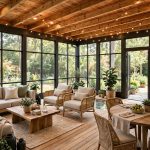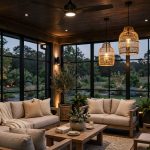
Four bulky chairs can fill a small screened porch completely. Then guests squeeze sideways, and nobody reaches the door easily. You fix this by choosing slimmer multi-use furniture, clearing one walking path, and lifting decor upward.
These screened in porch ideas keep seating generous without crowding the floor. Instead, one compact loveseat replaces two wide armchairs easily. Also, vertical greenery and light colors open the room visually.
First, measure the porch before moving or buying anything. Next, place each piece against walls or into corners deliberately. As a result, the center stays open for movement and conversation.
Choose Furniture That Fits a Small Screened Porch
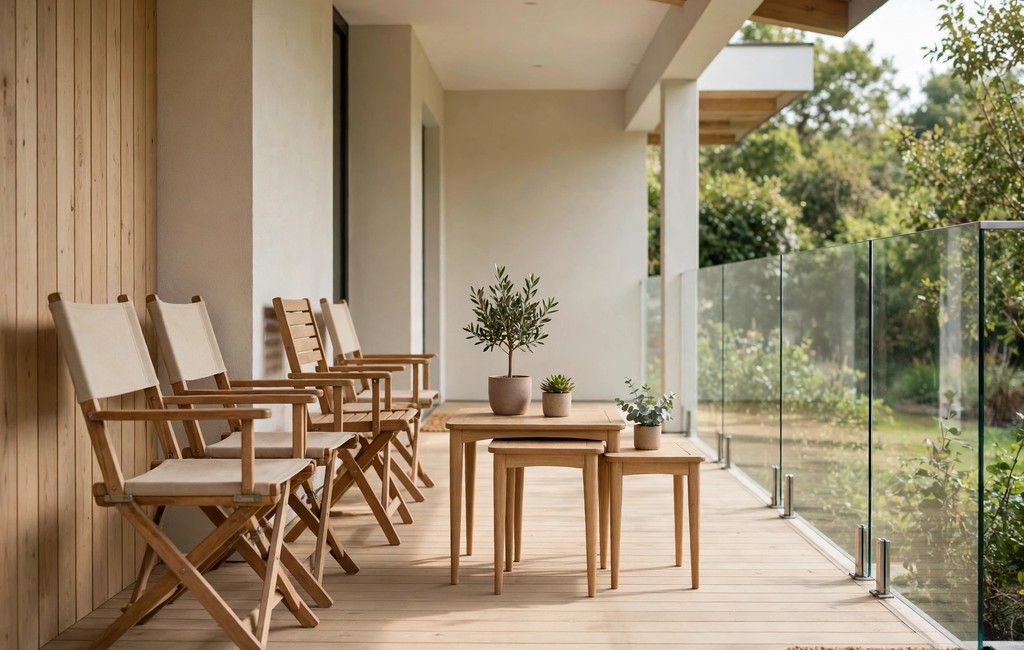
Oversized furniture causes the first problem in most small porches. Deep seats and wide arms steal inches from every side. Instead, choose slim frames, exposed legs, and upright backs.
First, tape each furniture outline onto the floor before buying. Then, walk through the taped layout during a normal day. As a result, you spot tight corners before they frustrate guests.
- Slim frames: Show more floor and make movement feel easier overall.
- Upright backs: Support posture without pushing deep into the room.
- Exposed legs: Keep sightlines open and help the porch feel lighter.
- Natural materials: Add warmth through rattan, wood, and woven textures nearby.
Pick a Loveseat Instead of Two Armchairs
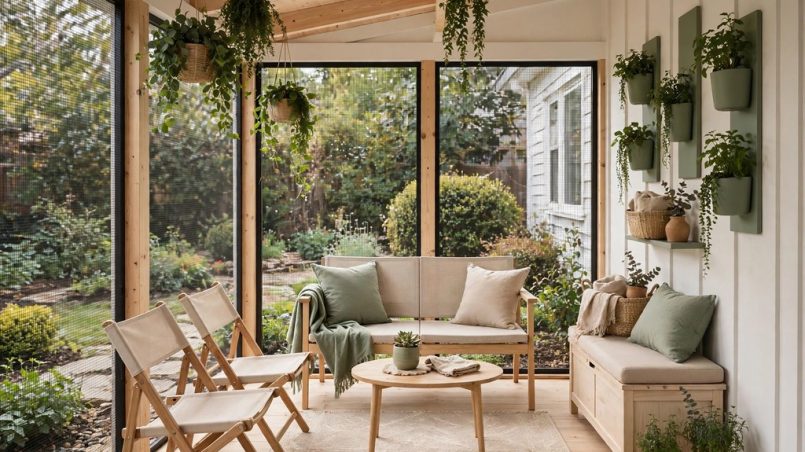
Two bulky armchairs often leave an awkward gap between them. However, one loveseat seats two people within one clean footprint. Also, shared cushions make the seating feel connected and intentional.
For example, place a compact loveseat along the longest wall. Next, add one small side table beside the loveseat only. Then, guests share one surface without blocking the opposite side.
Use Furniture That Folds, Stacks, and Nests
Fixed furniture creates the next problem during gatherings and quiet days. Extra chairs help guests, yet they crowd weekday mornings badly. Therefore, flexible pieces let the layout change with each occasion.
Folding chairs open quickly for visitors and disappear afterward easily. Similarly, stacking stools wait in one corner between larger gatherings. Meanwhile, nesting tables spread out for drinks and tuck together later.
- Folding side table: Holds drinks during visits and stores flat afterward.
- Stacking stools: Provide extra seats without spreading chairs across the porch.
- Nesting tables: Offer layered surfaces and still save valuable floor space.
Let Storage Benches Double as Seating
Loose cushions, throws, and games create clutter in tight porches. However, a storage bench hides those items under useful seating. As a result, the porch stays tidy without another storage piece.
Place the bench along a wall or under a window. Then, top it with indoor-style cushions in warm earthy colors. Also, guests gain comfortable seating while clutter stays completely hidden. A small screened porch rewards careful measuring first.
Work Corners and Diagonal Placement
Square layouts often waste corners and squeeze the center tightly. Instead, corner seating uses edges that most layouts ignore completely. For example, an angled loveseat softens one corner and opens sightlines.
Diagonal placement also helps conversation flow across a narrow porch. First, angle one chair toward the loveseat rather than the screen. Next, keep the opposite corner open for plants or passage.
Corner benches also turn dead edges into useful everyday seating. In fact, cushions along two walls guide guests toward conversation naturally. Still, leave the corner nearest the door open for passage.
Move Plants and Storage Upward
Floor planters cause another problem because they consume precious space. Wall hooks, vertical planters, and hanging baskets solve that problem. Consequently, greenery adds life without shrinking the seating area below.
Hang trailing plants near the ceiling or along high posts. In addition, wall hooks hold hats, throws, and lightweight garden tools. Still, leave lower walls clear so seating never feels boxed in.
Layer Greenery at Different Heights
Vertical layers guide the eye upward and stretch the porch visually. For example, pair hanging baskets with one tall vertical planter. Similarly, slim wall planters fill blank spaces without touching the floor.
Use Light Color on a Small Screened Porch
Dark heavy decor makes small porches feel closed and crowded. Instead, light colors reflect daylight and visually expand the walls. Warm earth tones still add comfort without darkening the whole room.
A slim rug anchors seating without covering every walking surface. For example, choose a flat woven rug in soft natural tones. Also, indoor-style textiles soften the transition between house and porch.
Natural woven textures also connect indoor comfort with outdoor durability. Meanwhile, clay, wood, and linen tones warm light walls gently. Therefore, the porch feels calm, cohesive, and noticeably more spacious.
Choose Multi-Use Pieces Over Single-Use Pieces
Single-use pieces create another problem because each piece serves one job. However, multi-use furniture handles seating, storage, and surfaces together daily. As a result, fewer pieces deliver more function on the porch.
For example, an ottoman seats guests and holds drinks nearby. Next, a bench stores cushions and supports extra guests comfortably. Indeed, a nesting table set replaces several bulky side tables. Every small screened porch needs one clear walking path.
- Storage ottoman: Seats guests, stores throws, and supports tired feet afterward.
- Tray top table: Serves drinks, displays plants, and moves wherever guests gather.
Keep the Screened Porch Walking Path Clear
Blocked paths make even a pretty porch feel frustrating daily. Therefore, reserve one direct route from the door to outside. Then, arrange every seat and table outside that clear route.
First, push larger pieces against walls and into corners firmly. Next, remove single-use pieces that guests rarely touch or need. Overall, multi-use furniture earns its footprint on every small porch.
Frequently Asked Questions
How can I make my small screened porch feel larger?
Use light colors, slim furniture, and vertical greenery to open the space visually.
What is the best furniture for a very narrow porch?
Choose a compact loveseat, folding chairs, and nesting tables along one wall instead.
How do I keep a clear walking path on a small porch?
First, arrange seating along the edges and keep the door route completely open.
Can a small screened porch hold seating for guests?
Yes, stacking stools and a storage bench add guest seating without permanent clutter.
Should I use rugs on a small screened porch?
Choose one slim flat rug that anchors seating and leaves walking areas visible.
Conclusion
Overall, a small porch works best when every piece earns space. Start with one slim change this week and measure the difference. Then, invite guests over and enjoy your comfortable new retreat.