The best indoor plants for bedroom decoration include pothos, snake plant, monstera, and fiddle leaf fig. Each option adds leafy texture, gentle color, and calm biophilic design to sleep spaces. Additionally, most options tolerate indirect light and need only simple, consistent care routines.
Smart greenery bedroom ideas match plant size, humidity needs, and bedroom light before styling begins. For example, trailing plants soften shelves while upright plants anchor corners and bedside tables. Moreover, thoughtful placement protects pets, preserves walkways, and keeps foliage away from bedding. This guide explains selection, placement, styling, and care in practical steps.
How to Choose Indoor Plants for Bedroom Decoration
First, measure light during morning, afternoon, and evening before you buy any plant. Most bedroom favorites prefer indirect light and suffer under harsh midday sun. However, dim rooms still support low light bedroom plants with realistic expectations.
Next, check humidity, airflow, and temperature near windows, vents, and exterior doors. Monstera and fiddle leaf fig prefer steadier humidity and resent cold drafts. In contrast, snake plant tolerates drier air and less frequent watering well.
Consider mature size because monstera and fiddle leaf fig grow large. Small bedrooms suit compact snake plant varieties and hanging pothos displays. Ultimately, honest sizing prevents crowding and keeps care routines manageable.
Best Plants to Decorate a Bedroom
Snake Plant for Indoor Bedroom Decoration
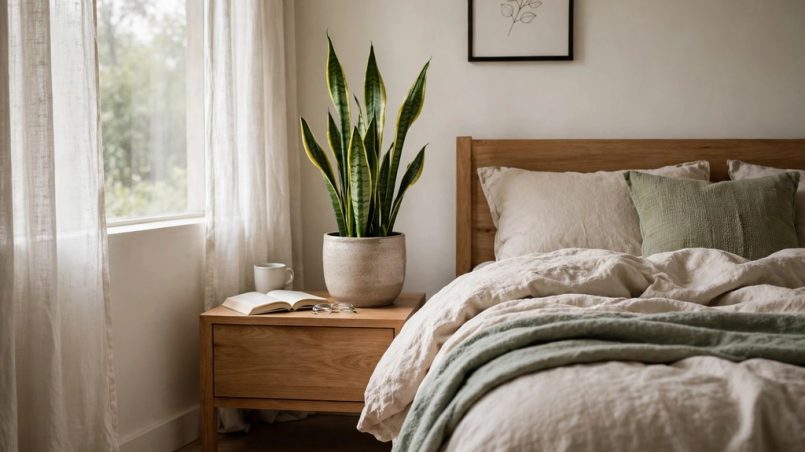
Snake plant brings upright lines and suits nightstands, corners, and dresser edges. It tolerates low light but grows strongest in bright indirect light. Water it sparingly after soil dries completely, especially during cooler months. Importantly, snake plant harms pets after ingestion, so place it carefully.
Pothos: Trailing Indoor Plants for Bedrooms
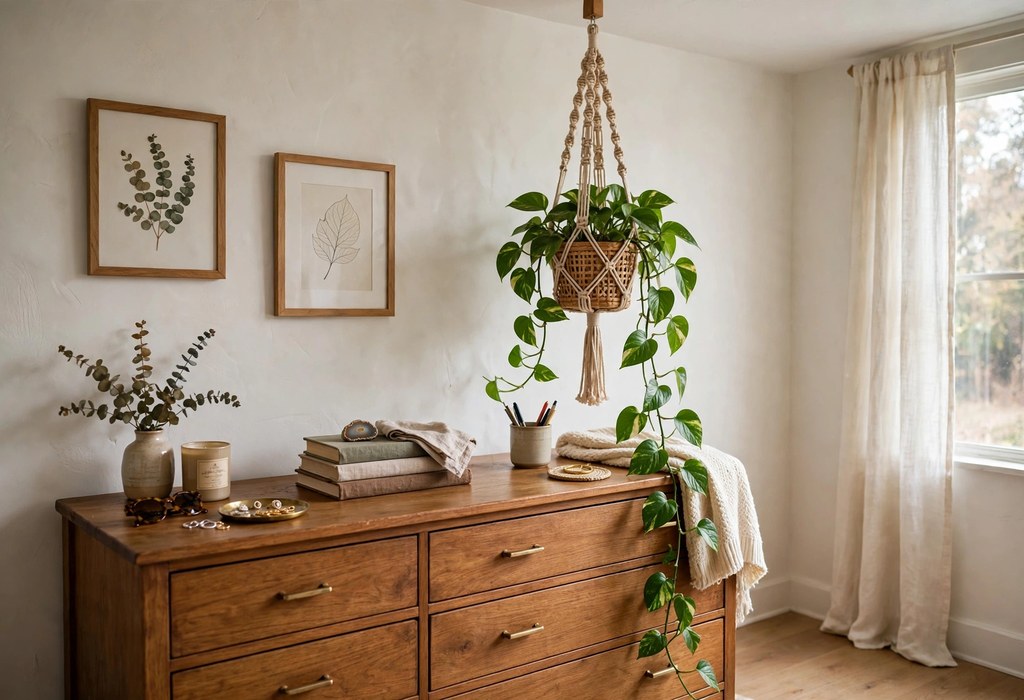
Pothos delivers trailing charm across shelves, dressers, and hanging displays. Medium indirect light suits it, although lower light slows growth. Let soil dry between waterings and trim long vines for fullness. Similarly, pothos harms cats and dogs, so hang vines beyond reach.
Monstera: Bold Indoor Plants for Bedroom Style
Monstera creates instant drama with large split leaves and tropical texture. Give it bright indirect light, roomy floor space, and steady support. After top soil dries, water it and rotate it toward light. Crucially, monstera harms pets after chewing, so choose placement very deliberately.
Fiddle Leaf Fig for Height and Presence
Fiddle leaf fig adds height and suits bright corners near windows. It needs bright indirect light and hates sudden moves or drafts. Once top soil dries, water it evenly and clean leaves monthly.
Spider Plant for Gentle, Safer Texture
Spider plant adds airy baby plantlets and playful texture above dressers. Bright indirect light suits spider plant, although medium light works well. Keep soil lightly moist and trim brown tips with clean scissors. Notably, spider plant suits pet households better than many trailing options.
How to Style Indoor Plants for Bedroom Decoration
Begin with one plant shelf and repeat simple pots for calm rhythm. Then, learn to arrange plants on bedroom shelves using height, texture, and spacing. A vertical garden turns narrow wall space into layered bedroom greenery.
Pair glossy monstera leaves with matte pots for pleasing contrast daily. Repeat green tones through cushions, throws, and artwork for cohesion. Furthermore, leave negative space around statement plants so foliage stands out.
Meanwhile, hanging and floor placements balance small nightstands and limited surfaces. These styling moves build depth without crowding sleep areas at all.
- Macrame hanger magic: Hang pothos above dresser corners and keep vines clear of pillows.
- Plant shelf layering: Place tall plants behind small pots and trail vines forward gently.
- Grow light support: Add a grow light in dim rooms and run timers consistently.
- Vertical garden focus: Mount sturdy planters securely and leave breathing room between each plant.
Simple Care Routines for Indoor Bedroom Plants
Check soil moisture before watering and empty drainage saucers after every session. Overwatering damages roots faster than brief dryness harms most bedroom plants. Therefore, set one weekly check and adjust care by season.
Dust leaves monthly so plants absorb light and display richer color. Also, rotate pots quarterly and inspect undersides for pests during cleaning. Group humidity lovers together and mist sparingly or place pebble trays nearby.
Feed plants lightly during active growth and pause feeding in winter. Use balanced fertilizer sparingly and follow label directions very carefully. Likewise, repot crowded roots into slightly larger containers with drainage.
Pet Safety and Smart Placement
Households with pets need extra caution around pothos, monstera, and snake plant. These plants contain compounds that irritate mouths and stomachs after ingestion. Instead, place toxic plants high, hang them securely, or choose another room.
Spider plant offers a safer trailing option for many pet households. Still, supervise curious pets and contact a veterinarian after any ingestion. Consequently, safe placement protects both pets and your favorite plants.
Frequently Asked Questions
What Are the Best Plants for a Bedroom With Low Light?
Overall, snake plant and pothos handle low light best with minimal care.
How Many Plants Should I Put in a Bedroom?
Typically, most bedrooms look balanced with three to five varied plants.
Can Indoor Plants Improve Bedroom Humidity?
Grouped leafy plants release moisture gently and, consequently, raise nearby humidity slightly.
Which Bedroom Plants Are Toxic to Pets?
Specifically, pothos, monstera, snake plant, and fiddle leaf fig harm pets after ingestion.
Do Bedroom Plants Need a Grow Light?
Often, dim bedrooms benefit from a grow light placed above plants daily.
Conclusion
In short, choose indoor plants that match your light, routine, pets, and space. Start with one snake plant or pothos and build your collection gradually. Finally, shop your shortlist today and create a calmer bedroom tonight.