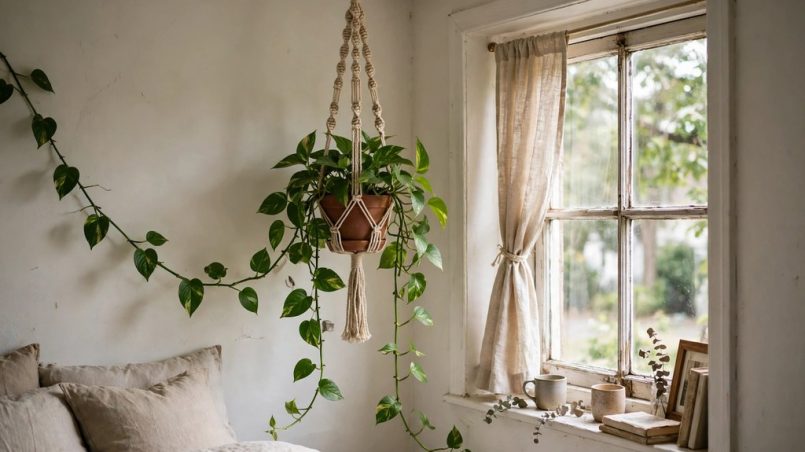
Small bedroom plants bring calm and color when you place them vertically. You keep floors clear and still enjoy lush, layered greenery daily. Start with pothos and a snake plant for reliable early success.
Additionally, shelves, hangers, and narrow corners turn unused areas into displays. Meanwhile, trailing plants soften hard edges without stealing precious surface space. Thoughtful placement also protects airflow, light access, and easy nighttime movement.
Explore broader greenery bedroom ideas to connect small-room choices with overall style. This guide shows simple layouts, honest care rules, and styling steps. Furthermore, you learn which larger favorites need careful, limited use.
Choose Compact Plants for Tight Footprints
First, measure available corners, shelves, and windowsills before buying any plant. Accurate measurements prevent crowding and protect healthy growth from the start. Compact growth habits suit nightstands, dresser ends, and narrow floor strips.
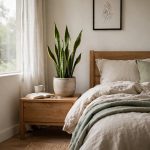
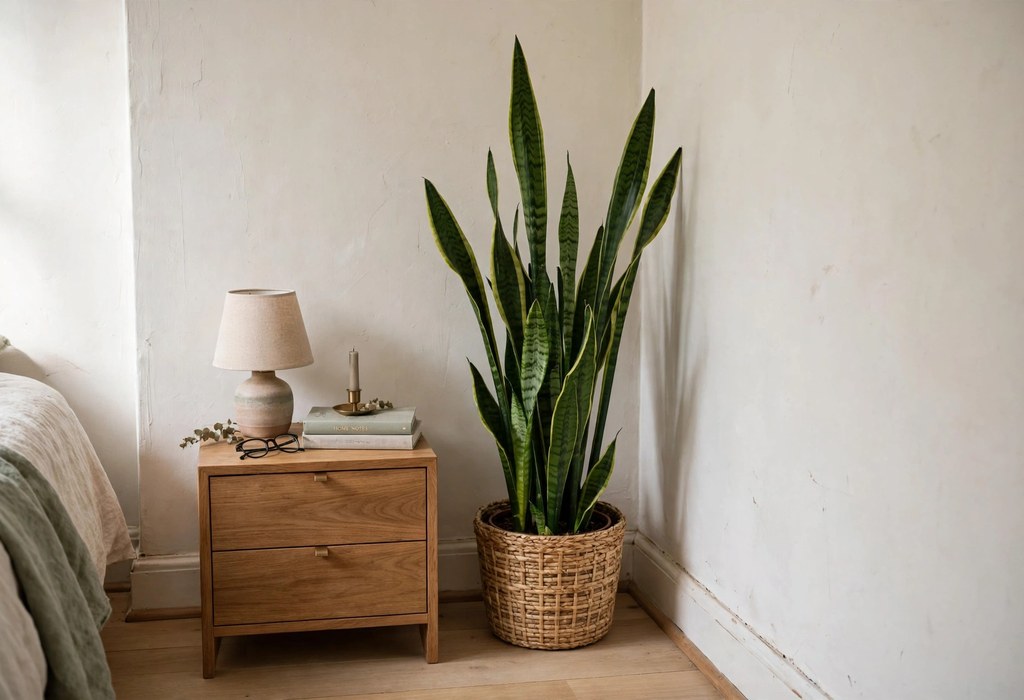
The snake plant grows upright and adds height without spreading wide. Similarly, pothos trails gracefully and adapts well to shelves and hangers. Both plants tolerate indirect light and forgive occasional missed waterings gracefully.
- Snake plant: Tolerates low light and needs water only after soil dries completely.
- Pothos: Thrives in indirect light and needs water when top soil dries.
- Compact monstera: Offers bold leaves and needs support, bright indirect light, and space.
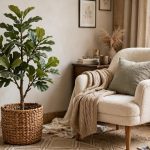
- Young fiddle leaf fig: Demands bright indirect light and dislikes drafts, moves, and soggy soil.
However, pet owners must place pothos, monstera, and fiddle leaf fig safely high. These plants harm pets after chewing, so choose unreachable spots always. Alternatively, pick pet-safer plants for low surfaces within easy reach.
Scale Larger Favorites Carefully
Young monstera plants add drama and still fit a bright corner. Mature leaves, however, spread wide and quickly dominate very tight rooms. Likewise, a fiddle leaf fig needs strong light and stable conditions.
Build Height With Shelves and Vertical Displays
Next, treat walls as valuable growing space in very small bedrooms. One sturdy plant shelf lifts small pots above beds and desks. Consequently, you gain display room without adding another bulky furniture piece.
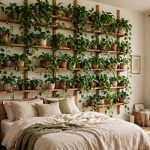
Likewise, a slim vertical garden turns one blank wall into greenery. Group small pots closely and leave breathing room around larger leaves. Combine shelves with bedroom plant corner ideas to anchor the whole arrangement.
Arrange Shelves Safely and Neatly
To start, anchor tall shelves securely and check weight limits before loading pots. Heavy ceramic pots belong low, while lightweight pots sit higher safely. Also, leave small gaps between pots for cleaning and air circulation.
- Wall shelf: Holds small succulents and keeps nightstand surfaces completely clear daily.
- Ladder shelf: Leans neatly and layers plants at several heights without drilling.
- Window shelf: Catches bright light and suits herbs or small leafy plants.
Hang Small Bedroom Plants to Free Every Surface
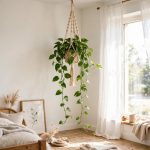
Overhead, ceiling hooks and wall brackets lift greenery above daily activity. A macrame hanger cradles trailing plants and adds soft texture overhead. Review hanging plant ideas for bedroom ceilings and walls before drilling holes.
Trailing plants spill downward and create movement without blocking walkways below. Specifically, pothos and heartleaf philodendron handle hanging baskets especially well indoors. Always check hook strength and keep baskets away from pillows.
Position Hangers for Light and Safety
Hang baskets near windows and rotate them weekly for even growth. Yet avoid direct midday sun because glass intensifies heat and burns leaves. Remove baskets carefully during watering and drain excess water thoroughly afterward.
Master Light, Water, and Humidity Basics
Most bedroom favorites prefer bright indirect light near east-facing windows daily. Rotate pots weekly and watch leaves for signs of low light. Leggy stems and pale leaves signal plants need brighter conditions soon.
In darker rooms, a small grow light fills important gaps reliably. Run the grow light daily and keep it several inches away. Before watering, check soil moisture and empty saucers promptly afterward.
Grouping plants raises local humidity slightly and supports lush leaf growth. During dry winters, a small humidifier helps tropical plants thrive indoors. Avoid misting alone because brief misting rarely sustains humidity for long.
- Water check: Press soil gently and water only when top inch feels dry.
- Drainage rule: Choose pots with holes and discard standing water after every watering.
- Leaf care: Wipe leaves monthly and remove dead growth to discourage pests quickly.
Style Greenery With Calm, Cohesive Design
Biophilic design connects indoor living with nature through plants, light, and texture. In small bedrooms, repetition creates calm better than crowded variety does. Therefore, repeat two leaf shapes and three pot tones throughout space.
Place one taller plant beside the bed for gentle visual height. Add one trailing plant above and one small pot nearby. Together, these three layers create depth without overwhelming limited square footage.
Keep the Room Feeling Open
Leave clear pathways around the bed and keep doors opening fully. Equally, choose slim stands and avoid oversized pots on tight floors. Edit ruthlessly and move extra plants out when space feels cramped.
Frequently Asked Questions
What are the best plants for a small bedroom?
Snake plant, pothos, and compact spider plants suit small bedrooms best overall.
How many plants should you keep in a small bedroom?
Most small bedrooms hold two to five healthy plants comfortably without crowding.
Is it safe to sleep with plants in the bedroom?
Yes, healthy bedroom plants pose no meaningful nighttime risk for people.
Which bedroom plants are safe for pets?
Spider plants, parlor palms, and calatheas offer safer choices around pets.
How do you add greenery without using floor space?
Shelves, wall planters, and hanging baskets add greenery without using floors.
Conclusion
Begin small, choose compact plants, and build upward with confidence. Then match light, water, and humidity carefully to each plant choice. Your small bedroom will feel calmer, fresher, and more personal soon.
Pick one plant shelf or macrame hanger and install it this weekend. Introduce one pothos this week and watch your corner transform gradually. Finally, photograph your layout and plan your next green layer thoughtfully.