Low light bedroom plants bring natural decoration into dim rooms without demanding constant care or bright windows. Additionally, tolerant indoor plants such as pothos and snake plant handle indirect light and suit sleep spaces. However, low light still means some light, and no plant thrives in complete darkness.
Moreover, thoughtful placement turns simple foliage into relaxed, layered decor. For example, trailing plants soften shelves, while upright leaves anchor quiet corners beautifully. This guide explains honest light limits, reliable plant choices, simple styling, and safe care routines. Consequently, you can build a greener bedroom without guessing or overwatering your plants.
Understanding Low Light in Your Bedroom
First, measure light by observing shadows and distance from your nearest window during daytime. Typically, low light sits several feet from windows and receives only gentle indirect light. Importantly, north facing bedrooms and shaded corners often provide this softer light level.
Meanwhile, plants slow their growth in dim conditions and use far less water. You can explore broader greenery bedroom ideas before you narrow choices for shade. Therefore, match each plant to real light rather than hopeful decoration plans alone.
Gradually, leggy stems and pale leaves signal insufficient light for healthy growth. You can move plants closer to windows before you add supplemental lighting. Similarly, sudden leaf drop often signals stress from abrupt light or temperature changes.
Reliable Plant Choices for Dim Bedrooms
Certainly, reliable choices tolerate shade yet still reward you with steady, attractive foliage. Specifically, snake plant, pothos, and ZZ plant types handle dim bedrooms most consistently. Still, each plant brings different height, texture, and care needs to your space.
Snake Plant for Strong Vertical Lines
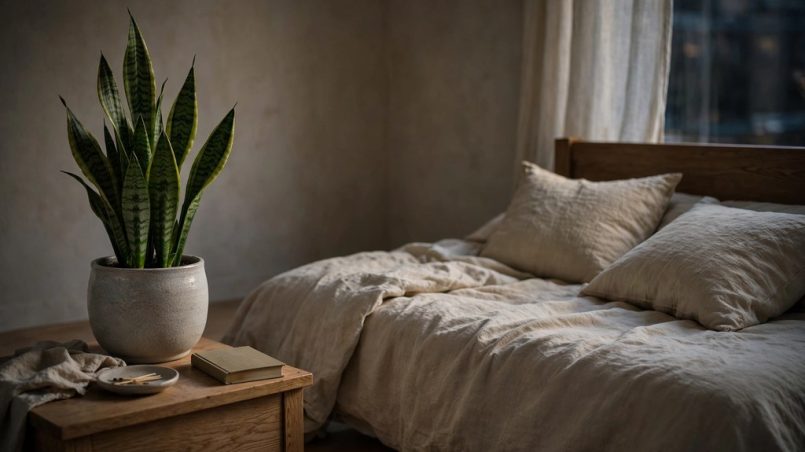
Notably, the snake plant stands upright and adds strong vertical lines beside beds. You should water it sparingly and let soil dry fully between each watering session. Conversely, soggy soil rots roots quickly, especially when low light slows drying further.
Pothos for Soft Trailing Growth
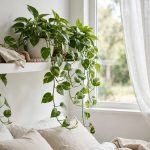
Similarly, pothos trails gracefully and softens hard furniture edges with heart shaped leaves. Gardeners comparing best indoor plants for bedroom decoration often choose pothos for forgiving growth. You can water pothos after the top inch of soil dries completely.
Monstera and Fiddle Leaf Fig With Caution
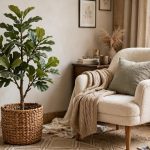
In contrast, monstera tolerates lower light but grows best with medium indirect light. Likewise, a fiddle leaf fig demands bright indirect light and dislikes dim corners strongly. Hence, place both plants near windows or support them with suitable supplemental lighting.
Styling Plants for Natural Decoration
Thoughtfully, biophilic design connects sleep spaces with nature through foliage, texture, and organic shapes. Readers exploring greenery bedroom ideas with neutral color schemes can pair green leaves with calm tones. Ultimately, restrained styling keeps the bedroom restful rather than busy or cluttered.
Deliberately, mix leaf sizes and shapes to create contrast without adding visual clutter. For instance, pair broad monstera leaves with fine trailing vines on nearby shelves. Meanwhile, natural pots in wood, clay, and woven fibers reinforce the organic theme.
- Raised plant shelf: Lifts small pots into better light and clearer view. Additionally, varied heights create depth without crowding your floor.
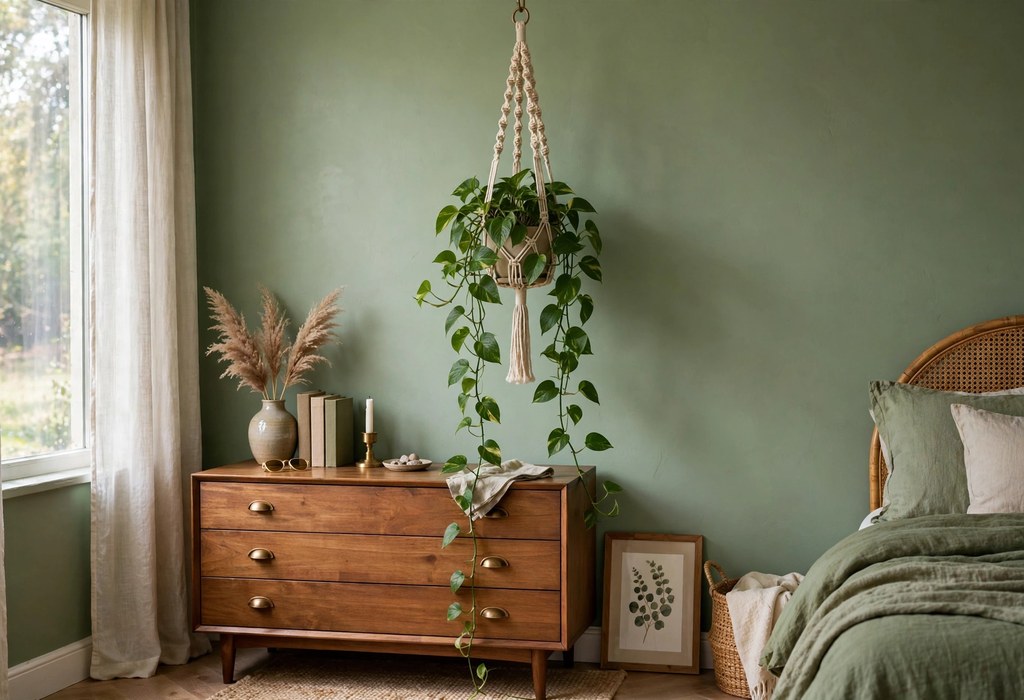
- Hanging macrame hanger: Holds trailing plants above dressers and saves valuable surface space. Meanwhile, cascading vines soften straight lines around windows and mirrors.
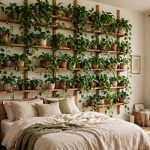
- Layered vertical garden: Uses wall space and turns blank walls into living decoration. Similarly, layered foliage adds privacy and calm without heavy furniture.
- Bedside single statement: Frames your bed with one healthy plant and clean negative space. Finally, simple styling highlights foliage and supports restful sleep routines.
Light, Water, and Humidity Care Basics
When natural light falls short, a grow light fills the critical gap. Typically, you run a full spectrum grow light for ten to twelve hours daily. Afterwards, rotate pots weekly so every side receives equal light over time.
Because dim rooms slow evaporation, soil stays wet longer after each watering. Thus, always check soil moisture before you add more water to pots. Furthermore, moderate humidity supports most tropical foliage and prevents dry, crispy leaf edges.
- Drainage first: Choose pots with drainage holes and empty saucers promptly. Moreover, free drainage prevents root rot in consistently damp soil.
- Humidity boost: Group plants together or place pots on pebble trays. Likewise, grouping raises local humidity gently around nearby leaves.
- Leaf cleaning routine: Wipe dusty leaves monthly so plants capture available light efficiently. Consequently, clean leaves photosynthesize better and display richer color.
Safety and Placement Around Pets
Crucially, snake plant and pothos contain compounds that poison cats and dogs. You should place both plants beyond pet reach on high shelves or hangers. Alternatively, choose pet safer plants for floor spots and keep toxic plants elevated.
Also, keep pots stable and keep soil covered near curious pets and children. Regularly, inspect leaves for pests and remove damaged growth with clean scissors. Overall, safe placement protects pets while plants still decorate your bedroom beautifully.
Frequently Asked Questions
Can plants survive in a bedroom with no windows?
No plant survives long without light, so you must provide a grow light daily.
What plants grow best in low light bedrooms?
Generally, snake plant, pothos, and ZZ plant tolerate dim bedrooms most reliably.
How often should you water low light bedroom plants?
You should water only after soil dries, because dim rooms slow evaporation significantly.
Do low light plants need a grow light?
Yes, a grow light helps plants when windows provide very little natural light.
Are snake plants safe for pets in bedrooms?
No, snake plant leaves poison pets, so you should keep plants beyond reach.
Conclusion
In summary, low light bedroom plants decorate naturally when you respect real light limits. Start with one tolerant plant today and place it near gentle indirect light. Then add a second plant after you master watering, humidity, and placement basics.