
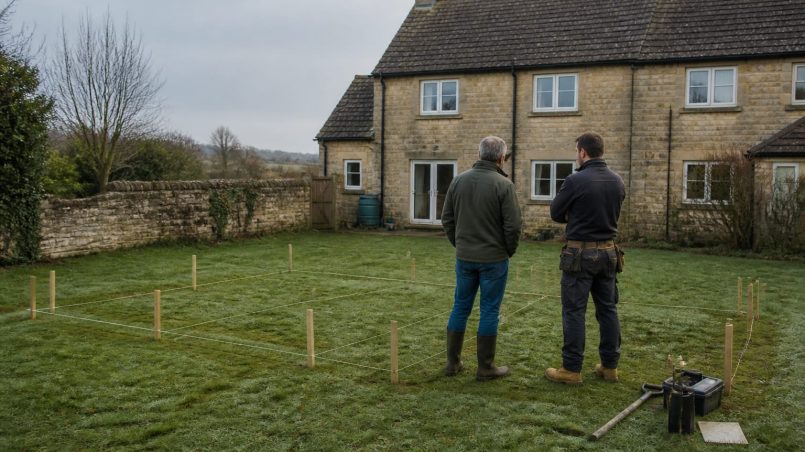
Choosing the right builder for your renovation or extension is one of the most important decisions you’ll make – but could be sorted out with a few simple checks at the start to avoid problems down the line.
Check Trade Body Membership and Insurance
Get the builder to show you their current insurance documents. Also check if they are a member of a trade body such as the Federation of Master Builders (FMB). The FMB check that their members are trading correctly and can provide independent verification of a company’s status.
Get at Least Three Written Quotes
Ask for 3 different written quotes from Builders in Cheltenham for your extension. The quotes should include a full breakdown of costs, for example, labour, materials, and any sub-contracted work. Do not rely on a quote that states a single figure for the cost of the work, for example, £14,000 for the extension.
See Finished Work and Talk to Past Customers
Photos can make a completion look better than it really is so ask to see a few of their completed jobs in progress. Go and talk to the people on the projects and get a real feel for how they work. The Builders in Cheltenham local reputation and past work is key to shortlisting. A short phone call to past customers reveals so much more than a portfolio of photos.
Clarify Who Handles Permissions and Sign-Off
It’s also worth checking who will obtain planning permission and submissions for Building Regulations approval. The builder may provide these services but this is something to be confirmed before commencing work. If work involves gas appliances (such as boilers), or even alters a current heating system, then make sure the builder undertakes this work under the authority of a registered Gas Safe engineer.
Agree a Staged Payment Schedule
Avoid paying large sums of money upfront. Payment by instalments as work is completed is the fairest approach. So for example you might pay a quarter on commencement of work, a further quarter on completion of the foundation work and the majority on completion of the structural work and first fix with the final balance on completion and prior to snagging.
Put It All in a Written Contract
A written contract even outlines what would happen if the builder needed to pull out of the contract or you needed to, so make sure you include start and finish dates, a list of the exact materials to be used, the payment schedule and any clauses that allow for change or cancellation.
Taking the time to get these basic checks out of the way will enable you to start your project with your eyes open.