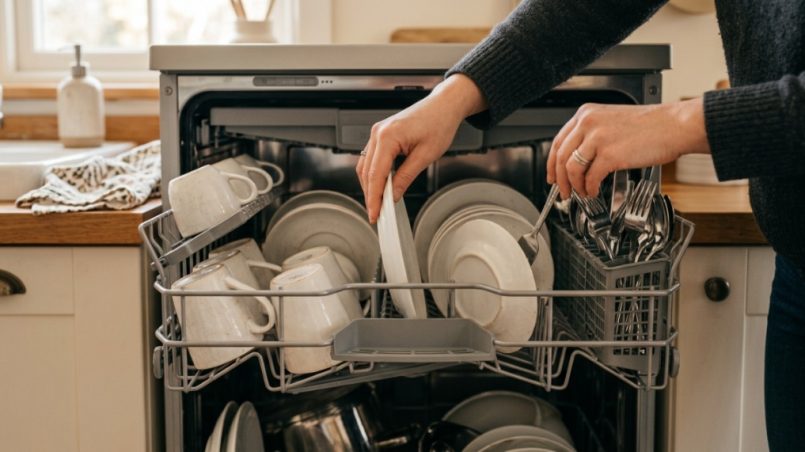
You just moved into a cozy apartment or renovated a small kitchen, and the one thing missing is a dishwasher. Rinsing plates by hand after every meal is exhausting, but you assume a full-sized model is your only option—and that it will break the bank. That frustration is real, and you are not alone. Millions of people are discovering that an affordable countertop dishwasher can solve this problem without requiring a renovation or a hefty budget. Compact dishwashers are space-saving, efficient, and surprisingly cheap to run. In this guide, you will learn exactly how to save money on a compact dishwasher, from the purchase price to daily operation, without sacrificing performance.
What Is a Compact Dishwasher and How Does It Save You Money?
Definition and Core Benefits
A compact dishwasher, often called a countertop or portable dishwasher, is a smaller unit designed to sit on your counter or roll up to your sink. Unlike standard dishwashers that require hardwiring and custom cabinetry, these appliances connect directly to your faucet. The money-saving magic starts here: you avoid installation fees that can exceed $200, and you do not need to modify your kitchen layout.
Upfront vs. Long-Term Savings
While the sticker price of a compact dishwasher ranges from $200 to $600, the total cost of ownership is lower than a traditional unit. You save on installation, plumbing materials, and even water bills. Many models use only 2–3 gallons per cycle compared to 6–10 gallons for a full-size machine. Over a year, that difference adds up to substantial savings on your utility bills.
Energy Efficiency Ratings
Most modern compact dishwashers carry Energy Star certification. This means they use less electricity and water than older models. When shopping, always look for the yellow Energy Guide label. A unit that consumes 200 kWh per year versus 350 kWh can save you roughly $20–$30 annually. Combined with lower water usage, the payback period for an affordable countertop dishwasher is often less than one year.
Why Should You Choose a Countertop Model Over a Full-Size Dishwasher?
Lower Purchase Price
A full-size dishwasher typically costs $600–$1,500 before installation. A quality countertop model can be found for $200–$400. That is a 50–70% savings on the appliance itself. For renters or small households, this price difference alone is a game-changer.
Zero Installation Costs
Professional installation of a built-in dishwasher can run between $100 and $300. Compact dishwashers require only a faucet adapter, which is usually included in the box. You simply attach the hose, plug it in, and start washing. No plumber, no electrician, no permits.
Portability and Flexibility
Because these units are not permanently installed, you can move them to a new home, take them to a vacation rental, or store them when not in use. This flexibility means you are not locked into a single kitchen layout. If you move frequently, a compact model pays for itself over time by avoiding repeated installation costs.
How to Choose the Most Affordable Compact Dishwasher Without Sacrificing Quality
Compare Capacity and Load Size
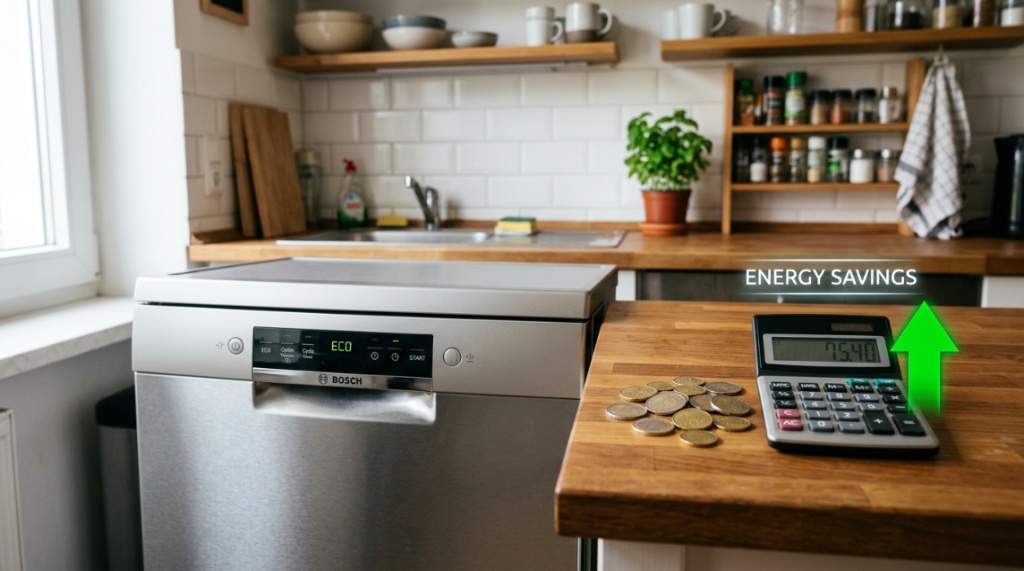
Compact dishwashers usually hold 4–6 place settings. Before buying, measure your typical dish load. A single person or couple may only need a 4-place-setting model, while a small family might require a 6-place-setting unit. Oversizing wastes money; undersizing leads to frustration. Be realistic about your daily dishes to avoid paying for capacity you do not need.
Check Cycle Options and Noise Levels
More cycles do not always mean better value. Look for models with at least a normal, heavy, and quick cycle. Quick cycles are ideal for energy savings. Noise levels above 55 dB can be annoying in an open-concept kitchen. Affordable models often run 50–55 dB, which is acceptable. Spending extra for a whisper-quiet unit (44 dB) is not necessary unless you have a very small, open living space.
Read Reviews for Reliability
Cheap does not equal cheap if it breaks after six months. Focus on models from reputable brands like SPT, Danby, or BLACK+DECKER. Look at customer reviews specifically mentioning longevity. A unit that lasts 3–5 years is a better investment than one that fails in 12 months, even if the latter costs $50 less.
Can a Compact Dishwasher Really Save You Money on Water and Electricity?
Water Usage Comparison
Hand washing a full load of dishes can use up to 27 gallons of water. A compact dishwasher uses 2–3 gallons per cycle. Even if you run the dishwasher daily, you are saving 8,000–9,000 gallons per year compared to hand washing. That translates to roughly $100–$150 in annual water savings for an average household.
Energy Consumption Details
Compact dishwashers heat only the water they need, unlike a full-size unit that heats a large tank. Most models use 0.5–1.0 kWh per cycle. At an average electricity rate of $0.13 per kWh, that is $0.07–$0.13 per wash. Running it daily costs about $2.50–$4.00 per month. Compare that to $8–$12 per month for a full-size dishwasher, and the savings are clear.
Detergent and Drying Costs
Because compact dishwashers have smaller interiors, you use less detergent per cycle. Many models also feature air-dry settings instead of heated drying, which cuts electricity usage further. Air drying takes longer but saves roughly $0.10 per cycle. Over a year, that is $36.50 in savings.
What Hidden Costs Should You Watch Out for When Buying a Compact Dishwasher?
Faucet Adapter Compatibility
Most compact dishwashers come with a basic faucet adapter, but if you have an unusual faucet (pull-down spray head, touchless, or European style), you may need to purchase a separate adapter. These cost $10–$30. Check your faucet type before ordering to avoid an unexpected expense.
Counter Space Requirements
These units are 17–20 inches wide, 18–20 inches deep, and 17–20 inches tall. Measure your counter space carefully. If you need to sacrifice storage space, consider the cost of alternative storage solutions. Some buyers buy a small rolling cart to hold the dishwasher, which adds $30–$60 to the total investment.
Maintenance and Filter Cleaning
All dishwashers require occasional filter cleaning. For compact models, you should clean the filter every 1–2 months. Neglecting this leads to poor performance and potential repairs. The cost is essentially zero (just time), but budget for a small brush or cleaning tablet ($5–$10 per year).
How to Maximize Savings When Operating Your Compact Dishwasher
Run Full Loads Only
The single biggest mistake is running half-empty cycles. Compact dishwashers are small, so waiting an extra meal to fill it up is easy. Running a full load reduces the cost per dish significantly. If you cook just one meal a day, consider using a rinse-and-hold cycle until the unit is full.
Use Eco or Energy-Saver Cycles
Most affordable models include an eco cycle that uses lower water temperatures and longer wash times. While the cycle takes 30–60 minutes longer, it uses 20–30% less energy. Set your machine to eco mode for everyday loads and reserve heavy cycles for pots and pans.
Skip Heated Dry
As mentioned earlier, air drying is free and nearly as effective. Open the dishwasher door slightly after the final rinse to let steam escape. Dishes will dry in 30–60 minutes without any electricity. This simple habit saves $30–$40 per year.
Which Brands Offer the Best Value for a Compact Dishwasher?
SPT (Sunpentown)
SPT is a leading brand for compact dishwashers. Their models consistently score high for reliability and low price. The SPT SD-2224DS holds six place settings, includes a stainless steel interior, and often retails for under $300. It is a top recommendation for budget-conscious buyers.
Danby
Danby offers a range of countertop models priced between $250 and $450. Their units are known for quiet operation and durable racks. The Danby DDW621WDB is a popular choice with a 6-place-setting capacity and a delay start feature, making it ideal for off-peak energy usage.
BLACK+DECKER
BLACK+DECKER compact dishwashers are widely available and reasonably priced. The BCD6WC holds six place settings, has a 24-hour delay start, and a stainless steel tub. It typically sells for $280–$350. Customer reviews highlight its easy setup and consistent cleaning performance.
Is It Cheaper to Use a Compact Dishwasher or Wash Dishes by Hand?
The Hand-Washing Myth
Many people assume hand washing is cheaper because it does not require electricity. However, modern dishwashers are incredibly efficient. A study by the University of Bonn found that hand washing uses up to 27 gallons of hot water per load, while a compact dishwasher uses only 2–3 gallons. Heating that water consumes energy, so the dishwasher wins every time.
Cost Breakdown Comparison
| Method | Water per Load | Energy per Load | Detergent Cost | Total per Load |
|---|---|---|---|---|
| Hand Washing | 15–27 gallons | $0.20–$0.40 (water heating) | $0.10 | $0.30–$0.50 |
| Compact Dishwasher (eco mode) | 2–3 gallons | $0.07–$0.13 | $0.05 | $0.12–$0.18 |
As the table shows, a compact dishwasher saves you $0.18–$0.32 per load. Over 300 loads per year (almost daily use), you save $54–$96 annually.
Time Savings
Time is money. Hand washing a full load takes 20–40 minutes. Loading a dishwasher takes 5 minutes. If you value your time at even $10 per hour, the dishwasher saves you $2.50–$6.00 per load in labor. That benefit alone justifies the purchase price.
How to Find the Best Deals on Compact Dishwashers
Seasonal Sales and Clearance Events
Major retailers like Amazon, Home Depot, and Best Buy offer significant discounts during Black Friday, Cyber Monday, and Prime Day. Compact dishwashers often see price cuts of 20–40% during these events. Set a price alert on a model you like and wait for a sale.
Refurbished and Open-Box Units
Consider certified refurbished models from the manufacturer or major retailers. These units have been tested and restored to like-new condition. You can save 30–50% compared to new. Open-box items (returns) are another goldmine. Check the condition carefully, but the savings are substantial.
Price Matching and Coupons
Many stores will price match competitors. Also look for manufacturer rebates or coupons from sites like RetailMeNot. Combining a sale with a coupon can drop the price by $50–$80. Patience pays off.
Frequently Asked Questions
How long does a compact dishwasher last?
Most compact dishwashers last 3–7 years with proper maintenance. Higher-end models with stainless steel interiors tend to last longer than plastic-lined units. Regular filter cleaning and avoiding overloading extend the lifespan.
Can I install a compact dishwasher myself?
Yes, installation is straightforward. You connect the inlet hose to your faucet using the included adapter, place the drain hose in the sink, and plug it into a standard outlet. Most people complete setup in under 15 minutes without tools.
Are compact dishwashers noisy?
Compact models range from 48 dB (very quiet) to 60 dB (noticeable). Average units operate around 52–55 dB, which is similar to a normal conversation. If noise is a concern, look for models specifically advertised as quiet.
Do compact dishwashers need special detergent?
No, you can use standard dishwasher detergent (powder, gel, or pods). However, use less than recommended for full-size machines—about half a tablespoon of powder or a small tab. Using too much can leave residue and cause oversudsing.
Can I wash pots and pans in a compact dishwasher?
Yes, but you may need to wash larger items separately. Most compact units can handle small pots, pans, and baking sheets. For large stockpots or casserole dishes, hand washing is still necessary due to space constraints.
Do I need a water softener for a compact dishwasher?
Not unless you have very hard water. If you notice white spots on glassware, use a rinse aid or a small amount of citric acid (available as a dishwasher cleaner). Most people do not need a separate water softener.
Can I leave a compact dishwasher connected to the faucet?
Yes, most models allow permanent connection. However, if you need the faucet for other tasks, you can disconnect the hose easily. Some users install a Y-connector to share the faucet between the dishwasher and the sink.
Aside from utilizing eco-modes and running full loads, regular maintenance is key to cutting utility costs. Over time, mineral buildup forces your appliance to work harder and consume more electricity—a problem you can easily solve by learning how a vinegar powerhouse deep clean your dishwasher in minutes can restore peak efficiency.
Conclusion
Saving money on a compact dishwasher comes down to three simple steps: choose the right model for your needs, use it efficiently, and take advantage of sales and discounts. You avoid installation fees, reduce water and energy bills, and eliminate the hassle of hand washing. The initial investment of $200–$400 pays for itself within the first year through lower utility costs and time savings. Whether you live in a small apartment, a dorm, or an RV, an affordable countertop dishwasher is one of the smartest home upgrades you can make. Start by comparing models today, and enjoy cleaner dishes and more free time starting tomorrow.