
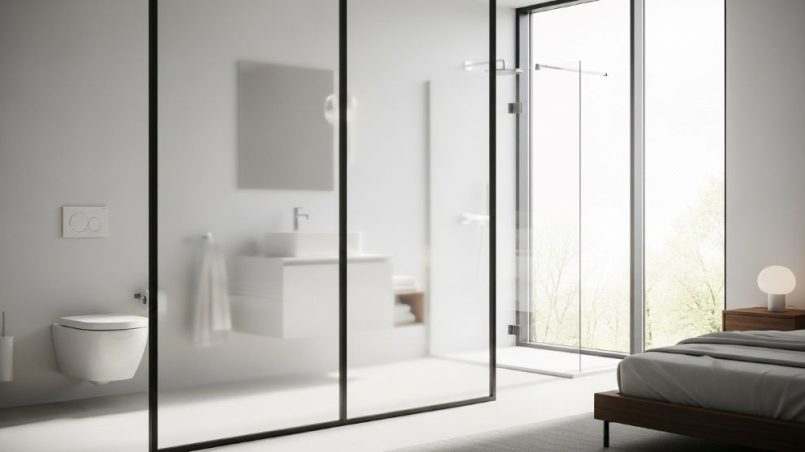
Creating a bedroom bathroom that offers both functionality and privacy can transform your personal space into a true sanctuary. Many homeowners struggle with balancing openness and seclusion in these intimate areas. However, with thoughtful design choices, you can achieve the perfect blend of accessibility and discretion.
Understanding the Bedroom Bath Privacy Challenge
Bedroom bathrooms have become increasingly popular in modern home design. These convenient spaces save time and add value to your property. Nevertheless, they present unique privacy concerns that traditional bathrooms don’t face.
Open-concept bedroom suites often blur the lines between sleeping and bathing areas. This layout can create awkward situations when sharing the space with a partner or having guests nearby. Therefore, implementing strategic privacy solutions becomes essential for comfort and peace of mind.
Choosing the Right Layout for Maximum Privacy
The foundation of bathroom privacy starts with smart spatial planning. Your layout determines how much natural separation exists between different functional areas.
Consider positioning the toilet in an enclosed alcove or separate water closet. This simple arrangement provides instant privacy without requiring major structural changes. Additionally, placing the shower and bathtub away from direct sightlines to the bedroom creates natural visual barriers.
A pocket door between the bedroom and bathroom offers space-saving privacy. Unlike traditional swinging doors, pocket doors slide into the wall and don’t require clearance space. Moreover, they can be left partially open for ventilation while still maintaining visual separation.
Installing Frosted and Textured Glass Partitions
Glass partitions serve as elegant privacy solutions that maintain an open, airy feeling. Frosted glass obscures views while still allowing light to filter through the space.
Textured glass options include rain glass, reed glass, and fluted designs. These patterns diffuse visibility without making the bathroom feel closed off. Furthermore, you can combine clear and frosted panels to control exactly which areas remain visible.
Floor-to-ceiling glass walls work particularly well for shower enclosures. They contain water splashes while creating a spa-like atmosphere. However, choose tempered safety glass rated for bathroom use to ensure durability and protection.
Creating Separation with Strategic Wall Placement
Half walls and pony walls provide physical separation without completely closing off spaces. These shorter barriers typically stand between three and four feet tall.
Position a half wall between the toilet area and the rest of the bathroom. This creates privacy where it matters most while maintaining visual flow. Additionally, the top of the wall can serve as a display shelf for plants or decorative items.
Full walls with pass-through openings offer another creative solution. A rectangular opening positioned above counter height allows light and air circulation while blocking direct views. Therefore, you gain privacy without sacrificing the open feel of the space.
Incorporating Sliding Barn Doors and Room Dividers
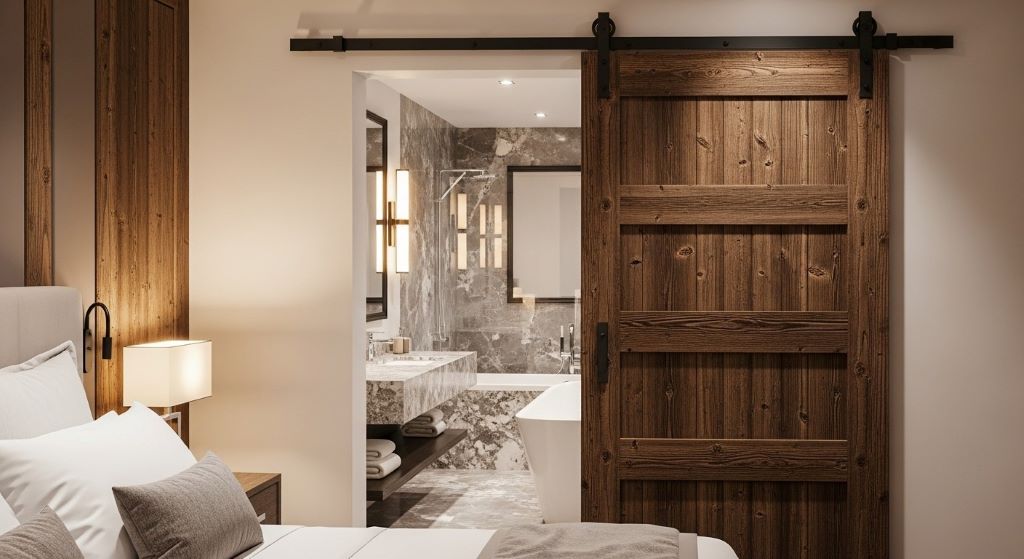
Sliding barn doors have become trendy privacy features in bedroom bathrooms. These doors mount on exposed hardware tracks and slide parallel to the wall.
Choose solid wood barn doors for complete privacy or opt for frosted glass panels for a lighter look. The hardware comes in various finishes to match your decor style. Moreover, barn doors make a strong design statement while serving a practical purpose.
Folding room dividers offer flexible privacy that you can adjust as needed. Accordion-style partitions fold completely out of the way when not in use. However, they extend quickly to create instant separation when privacy becomes necessary.
Using Window Treatments for Natural Light Control
Bathroom windows require special privacy considerations since they expose your space to the outside world. Smart window treatments balance natural light with discretion.
Top-down, bottom-up shades provide versatile privacy control. Lower the top portion to let light in while keeping the bottom raised for privacy. Additionally, these shades work beautifully with plantation shutters for layered light control.
Frosted window film offers a permanent privacy solution without blocking natural light. This adhesive material applies directly to existing glass and comes in decorative patterns. Furthermore, it costs significantly less than replacing windows with frosted glass.
Installing Privacy Screens and Decorative Panels
Freestanding privacy screens add portable separation that you can reposition as needed. Choose moisture-resistant materials like teak, bamboo, or water-resistant fabric panels.
Decorative laser-cut panels create artistic privacy barriers. These panels feature intricate patterns that allow some light and air flow while obscuring direct views. Moreover, they function as sculptural design elements that enhance your bathroom’s aesthetic appeal.
Metal screens in geometric patterns work particularly well in modern bathrooms. The dimensional quality adds visual interest while providing necessary coverage. However, ensure any metal screens receive proper rust-resistant treatment for bathroom humidity.
Implementing Smart Lighting for Privacy Enhancement
Lighting plays a crucial role in bathroom privacy by controlling visibility and ambiance. Dimmer switches allow you to adjust brightness levels based on time of day and privacy needs.
Install separate lighting zones for different bathroom areas. Task lighting over the vanity doesn’t need to illuminate the entire space. Therefore, you can keep certain areas darker for enhanced privacy when desired.
Motion-sensor nightlights provide safe navigation without flooding the space with bright light. These lights activate automatically when someone enters the bathroom at night. Additionally, they turn off after a preset time to conserve energy.
Selecting Sound-Dampening Materials and Features
Privacy extends beyond visual concerns to include acoustic separation. Sound-dampening materials reduce noise transmission between the bathroom and bedroom.
Install solid-core doors instead of hollow-core versions for better sound blocking. Solid doors significantly reduce noise passage compared to their lighter counterparts. Moreover, add door sweeps or weatherstripping to seal gaps around the frame.
Acoustic panels on bathroom walls absorb sound and prevent echoes. These panels come in decorative fabric-wrapped designs that enhance your decor. Furthermore, thick bath mats and towels naturally absorb sound while serving their primary functions.
According to research on bathroom design trends, homeowners increasingly prioritize privacy features when renovating bedroom bathrooms. This shift reflects changing attitudes about personal space and wellness at home.
Adding Practical Storage Solutions for Organization
Proper storage contributes to privacy by eliminating clutter that can feel invasive. Built-in cabinets conceal personal items behind closed doors.
Medicine cabinets with mirrored fronts serve dual purposes by providing storage and reflection. Recessed models sit flush with the wall for a streamlined appearance. Additionally, interior lighting makes finding items easier without requiring overhead lights.
Vanity drawers with dividers keep toiletries organized and out of sight. Deep drawers accommodate tall bottles while shallow drawers work for smaller items. Therefore, everything has a designated place that keeps countertops clear and private.
Incorporating Natural Elements for Soft Separation
Plants create natural privacy screens while improving air quality and adding life to your bathroom. Tall potted plants like bamboo or snake plants work well as living barriers.
Vertical gardens or living walls provide dramatic visual separation. These installations feature multiple plants arranged in wall-mounted systems. However, ensure proper waterproofing and drainage to protect your walls from moisture damage.
Hanging plants from ceiling hooks create privacy at eye level without taking floor space. Choose low-maintenance varieties that thrive in humid bathroom environments. Moreover, rotating plants seasonally keeps your design fresh and interesting.
Conclusion
Designing bedroom bathrooms with effective privacy solutions requires balancing multiple factors including layout, materials, and aesthetics. Start with smart spatial planning that naturally separates functional areas. Then layer in physical barriers like glass partitions, half walls, or sliding doors that match your style preferences.
Window treatments and strategic lighting control visibility from both inside and outside the space. Sound-dampening materials address acoustic privacy while storage solutions keep personal items concealed. Finally, natural elements like plants add organic separation that softens hard architectural features.
By thoughtfully implementing these privacy solutions, you can create a bedroom bathroom that feels both open and intimate. The result is a personal retreat that serves your daily needs while maintaining the discretion and comfort you deserve.
Frequently Asked Questions
What is the most cost-effective privacy solution for bedroom bathrooms?
Frosted window film and curtain room dividers offer affordable privacy without major renovation costs. These solutions typically cost between fifty and two hundred dollars and can be installed without professional help.
How much does it cost to add a privacy wall in a bedroom bathroom?
Building a half wall or pony wall typically costs between five hundred and two thousand dollars depending on materials and labor rates. This investment adds permanent privacy while maintaining an open feel.
Can I add privacy to my bedroom bathroom without losing natural light?
Yes, frosted glass partitions, textured glass doors, and top-down bottom-up window shades all provide privacy while allowing natural light to filter through the space effectively.
What type of door provides the best privacy for bedroom bathrooms?
Solid-core doors with proper weatherstripping offer the best combination of visual and acoustic privacy. Barn doors work well for style but may have small gaps that allow sound passage.
How do I create privacy in an open-concept bedroom suite?
Use a combination of strategies including strategically placed furniture, room dividers, glass partitions, and separate lighting zones to create functional privacy boundaries without walls.
Related Topics:
Interior Lighting Design for Living Room with Tips