Cracked shower floors create the perfect breeding ground for mold and mildew. These unsightly cracks not only compromise your bathroom’s appearance but also pose serious health risks to your family. At House I Love, we understand how frustrating it can be to deal with persistent mold growth in your shower area.
When water seeps through damaged flooring, it creates moisture-rich environments where mold thrives. The combination of warmth, humidity, and organic materials makes your bathroom an ideal habitat for these unwanted microorganisms. Fortunately, understanding the connection between floor damage and mold growth helps you take proactive steps to protect your home.
Addressing structural issues promptly is crucial for long-term mold prevention. Repairing a cracked shower floor should be your first priority when you notice any damage. This comprehensive approach ensures that you eliminate the root cause of moisture infiltration rather than simply treating the symptoms.
Understanding How Cracks Lead to Mold Growth
Shower floor cracks act as direct pathways for water penetration. Even tiny hairline fractures can allow significant amounts of moisture to reach subflooring materials. Once water infiltrates these hidden areas, it becomes trapped and creates perfect conditions for mold colonization.
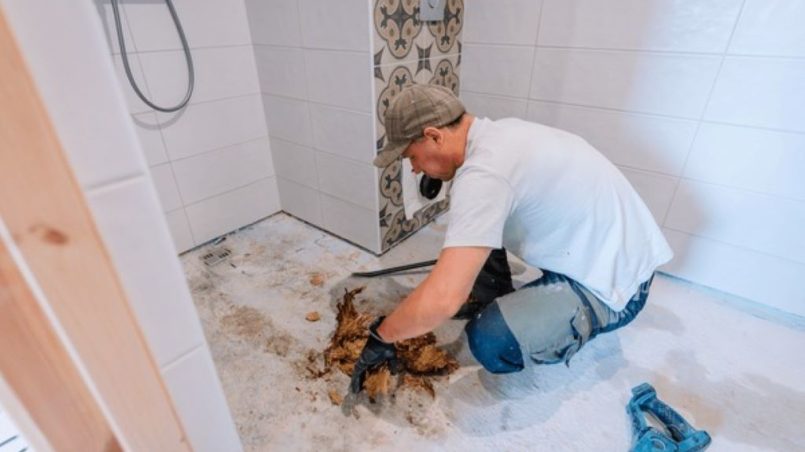
The subflooring beneath your shower typically consists of wood or cement board materials. These organic substances provide nutrients that mold spores need to multiply rapidly. Additionally, the enclosed space beneath your shower floor creates poor air circulation, allowing moisture to linger for extended periods.
Temperature fluctuations in bathroom environments accelerate the mold growth process. Hot showers create steam that condenses on cool surfaces, while the enclosed space beneath cracked flooring maintains consistent warmth. This combination creates an accelerated breeding cycle for various mold species.
Identifying Early Warning Signs
Visual inspection of your shower floor should become part of your regular home maintenance routine. Look for discoloration around grout lines, which often appears as dark spots or streaks. These stains typically indicate water penetration and potential mold development beneath the surface.
Musty odors emanating from your shower area signal hidden mold growth. This distinctive smell becomes more pronounced after hot showers when humidity levels peak. If you notice persistent odors despite regular cleaning, investigate potential floor damage immediately.
Loose or hollow-sounding tiles indicate compromised adhesion beneath the surface. When you walk across your shower floor, listen for unusual sounds that suggest separation between tiles and subflooring. This separation often results from prolonged moisture exposure through floor cracks.
Effective Prevention Strategies
Maintaining proper ventilation significantly reduces moisture accumulation in your bathroom. Install exhaust fans with adequate capacity for your room size, and run them during and after every shower. Proper air circulation helps eliminate excess humidity before it can contribute to mold growth.
Regular cleaning with mold-inhibiting products creates an inhospitable environment for spore development. Use antimicrobial cleaners specifically designed for bathroom surfaces, paying special attention to grout lines and corners where moisture tends to accumulate.
Seal grout lines annually to prevent water penetration through porous materials. High-quality grout sealers create protective barriers that repel moisture and extend the life of your shower flooring. This preventive measure costs significantly less than major repairs or mold remediation services.
Professional Assessment and Repair Options
Licensed contractors can evaluate the extent of floor damage using specialized moisture detection equipment. These professionals identify hidden problems that aren’t visible during casual inspection. Early professional assessment prevents minor issues from developing into major structural problems.
Waterproofing membrane installation provides long-term protection against future moisture infiltration. Professional installers apply these barriers beneath new flooring materials, creating comprehensive protection for subflooring components. This investment pays dividends through reduced maintenance costs and improved indoor air quality.
Complete floor replacement may be necessary when damage extends beyond surface-level cracks. Professional contractors can assess whether partial repairs will suffice or if comprehensive renovation is required. Making informed decisions based on expert evaluation prevents recurring problems.
DIY Maintenance and Monitoring
Weekly inspection routines help catch problems before they escalate into major issues. Dedicate a few minutes each week to examining your shower floor for new cracks, loose tiles, or other signs of deterioration. Document any changes with photographs to track progression over time.
Immediate response to new cracks prevents water infiltration from beginning. Clean the damaged area thoroughly and apply temporary sealants until professional repairs can be completed. This quick action limits moisture penetration and reduces the risk of mold development.
Humidity monitoring helps you understand moisture patterns in your bathroom environment. Digital hygrometers provide accurate readings that help you adjust ventilation practices accordingly. Maintaining humidity levels below 60 percent significantly reduces mold growth potential.
Health Considerations and Safety Measures
Mold exposure can trigger respiratory problems, particularly in sensitive individuals. Symptoms may include coughing, sneezing, throat irritation, and exacerbation of asthma conditions. Children and elderly family members face increased risks from prolonged mold exposure.
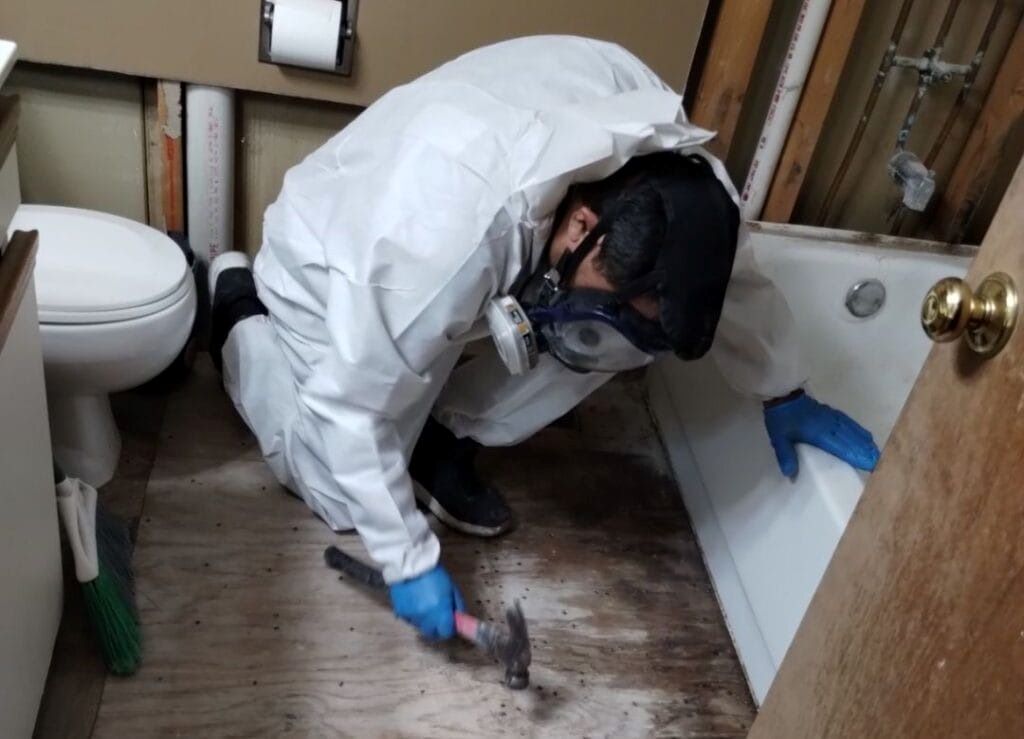
Protective equipment becomes essential when cleaning mold-affected areas. Wear N95 masks, gloves, and eye protection to minimize direct contact with mold spores. Ensure adequate ventilation during cleaning activities to prevent spore concentration in enclosed spaces.
Professional mold testing may be necessary when health symptoms persist despite cleaning efforts. Certified inspectors can identify specific mold species and recommend appropriate remediation strategies. This scientific approach ensures comprehensive treatment of mold problems.
Long-term Maintenance Planning
Scheduled maintenance prevents minor issues from developing into costly problems. Create annual checklists that include grout inspection, sealant application, and ventilation system cleaning. Consistent maintenance protects your investment and maintains healthy indoor air quality.
Budget planning for eventual floor replacement helps you prepare for major renovations. Even well-maintained shower floors eventually require replacement due to normal wear and tear. Setting aside funds for future improvements prevents emergency repair situations.
Documentation of maintenance activities creates valuable records for warranty claims and insurance purposes. Keep receipts for professional services and maintain photographic records of your shower floor condition over time. This documentation proves beneficial when filing claims or selling your home.
Conclusion
Preventing mold in cracked shower floors requires a comprehensive approach that combines immediate repairs with ongoing maintenance practices. Understanding how water infiltration leads to mold growth helps you prioritize necessary improvements and develop effective prevention strategies.
Regular inspection, proper ventilation, and prompt attention to emerging problems form the foundation of successful mold prevention. When structural damage occurs, professional assessment and repair ensure long-lasting solutions that protect both your property and your family’s health.
Taking proactive steps today prevents costly remediation projects and health complications tomorrow. Invest in quality repairs, maintain consistent cleaning routines, and monitor your shower floor condition regularly to enjoy a safe, healthy bathroom environment for years to come.
Frequently Asked Questions
How quickly can mold develop in cracked shower floors? Mold can begin growing within 24-48 hours when moisture penetrates through cracks into subflooring materials. The warm, humid bathroom environment accelerates this process significantly.
Can I repair small shower floor cracks myself? Minor hairline cracks can often be sealed with appropriate caulking products, but larger cracks or multiple fractures typically require professional assessment and repair to prevent recurring problems.
What type of mold commonly grows in shower areas? Black mold (Stachybotrys chartarum) and Aspergillus species are frequently found in bathroom environments. Both types can cause respiratory irritation and require prompt removal.
How much does professional mold remediation cost? Mold remediation costs vary based on the affected area size and damage severity. Simple cleaning may cost $500-1500, while extensive remediation can range from $3000-10000 or more.
Should I use bleach to clean mold from shower floors? While bleach kills surface mold, it doesn’t penetrate porous materials effectively. EPA-approved antimicrobial cleaners specifically designed for mold removal provide more comprehensive treatment results.
Read More:
HOW TO USE A WHIRLPOOL TUB: A RELAXING EXPERIENCE