

Imagine your dog’s wagging tail and bright smile fading because of hidden dental issues. Many pet owners overlook oral health until problems arise. Yet, simple steps can make a big difference. Vet-approved dog dental treats offer an easy way to fight plaque and keep gums healthy. These treats turn playtime into preventive care. According to a 2024 study in the Journal of Veterinary Dentistry, regular use of effective dental chews reduces plaque buildup by up to 70 percent in dogs. Another report from the American Veterinary Medical Association shows that 80 percent of dogs over three years old suffer from periodontal disease. Many pet owners turn to veterinarian recommended dog treats to keep their furry friends’ smiles bright. This article explores how these treats work and why they matter.
Why Dog Dental Health Matters
Dogs face dental problems just like people do. Plaque builds up quickly on their teeth. Over time, this leads to tartar and gum disease. Bad breath often signals the start of trouble. However, many owners miss these early signs. Periodontal disease affects more than just the mouth. It can spread bacteria to the heart, liver, and kidneys. Vets warn that untreated issues shorten a dog’s life. Fortunately, daily care prevents most problems. Brushing helps, but not every dog tolerates it well. That’s where dental treats step in. They provide a fun alternative. Plus, they encourage natural chewing behaviors.
Research backs this up. A 2023 study from Waltham Petcare Science Institute found that modulating beneficial bacteria in the mouth improves overall health. Dogs with good oral hygiene show fewer vet visits for infections. Owners notice happier pets too. Energy levels rise when pain decreases. So, prioritizing dental care boosts your dog’s quality of life. It also saves on costly treatments later. Start early to build strong habits. Puppies benefit from gentle introductions to chews. Older dogs need softer options to avoid discomfort.
What Makes a Dental Treat Vet-Approved?
Vets look for specific features in dental treats. First, they check for the Veterinary Oral Health Council seal. This group tests products for safety and effectiveness. Approved items reduce plaque and tartar. Without this, treats might not deliver results. Shape and texture play key roles too. Ridged designs scrape teeth clean. Flexible materials bend to reach all areas. Digestibility matters as well. Treats should break down easily in the stomach.
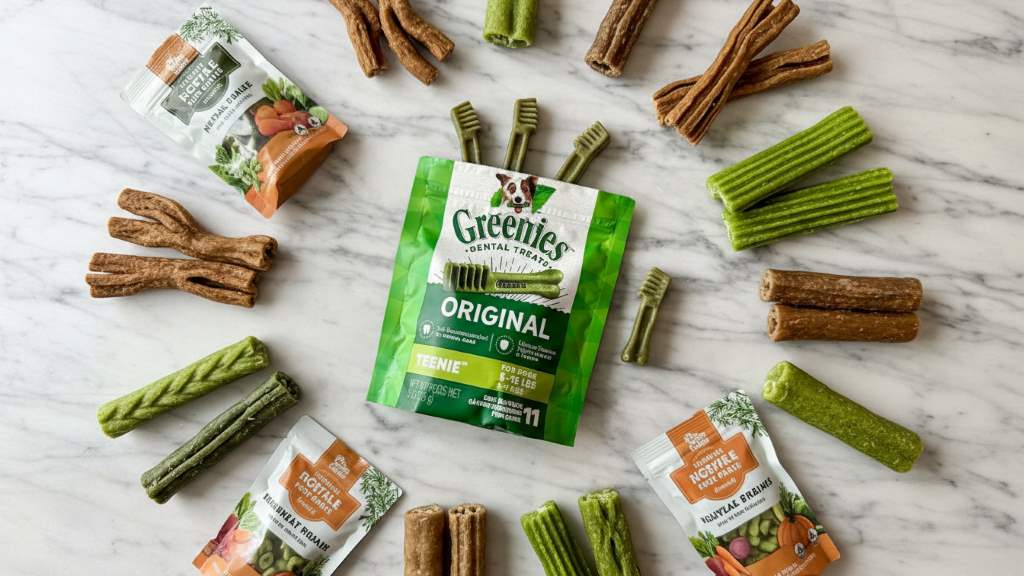
Experts recommend avoiding hard items that crack teeth. Instead, choose ones with proven formulas. A 2025 report from Today’s Veterinary Practice highlights benefits like enrichment and better dental health. Vets suggest matching treats to your dog’s size. Small breeds need petite versions. Large ones require sturdy chews. Always consult your vet for personalized advice. They know your pet’s history. This ensures the treat fits their needs. In turn, you get peace of mind.
Key Ingredients in Effective Dental Treats
Effective treats use natural ingredients to fight bacteria. Sea kelp appears often for its mineral content. It helps control tartar formation. Sweet potatoes add fiber and vitamins. They make treats tasty while aiding digestion. Pumpkin provides antioxidants that support gum health. Carrots offer crunch for mechanical cleaning. Alfalfa brings chlorophyll to freshen breath naturally.
Some include enzymes like those in ProDen PlaqueOff. These break down plaque at the source. Polyphosphates bind calcium to prevent tartar. Avoid artificial colors or preservatives. Natural options reduce allergy risks. A 2024 article in Frontiers in Animal Science notes that daily dental treats slow periodontal disease progression. Look for vegetable-based formulas for sensitive dogs. They digest well and clean effectively. Mixing ingredients creates a balanced approach. This way, treats address multiple issues at once.
How Dental Treats Work to Improve Oral Health
Dental treats clean through mechanical action. As dogs chew, the texture scrapes away plaque. This mimics brushing without the hassle. Enzymes in some treats dissolve biofilm on teeth. Over time, this reduces inflammation. Breath improves as bacteria decrease. Studies show consistent use leads to healthier gums.
For example, a 2020 PMC study tested novel chews. Dogs showed less halitosis and better oral scores. Chewing stimulates saliva production too. Saliva neutralizes acids and washes food particles. Thus, treats prevent cavities and decay. They work best alongside other care. Combine them with regular checkups for optimal results. Owners report visible differences in weeks. Whiter teeth and fresher kisses follow. So, these treats actively promote long-term health.
Choosing Safe Dental Treats for Dogs
Selecting safe dental treats for dogs requires careful thought. Start with size-appropriate options. Puppies need soft chews to protect growing teeth. Adults handle firmer ones. Check labels for natural ingredients. Avoid those with fillers or sugars. VOHC approval ensures efficacy.
Consider your dog’s chewing style. Aggressive chewers benefit from durable designs. Gentle ones prefer softer textures. Allergies guide choices too. Grain-free versions suit sensitive stomachs. A PetMD guide from 2026 recommends ProDen and Greenies for their proven track records. Test small amounts first. Watch for digestive issues. This step confirms suitability. In addition, read reviews from other owners. Real experiences highlight pros and cons. Finally, rotate flavors to keep interest high.
Here are tips to pick wisely:
- Match treat hardness to tooth strength.
- Opt for digestible materials like vegetable fusions.
- Seek vet endorsements for reliability.
- Avoid rawhides if your dog swallows large pieces.
Integrating Dog Oral Care Treats into Your Routine
Adding dog oral care treats builds healthy habits. Begin slowly to let your dog adjust. Offer one after meals. This ties chewing to routine times. Consistency matters most. Daily use maximizes benefits. Pair with play for fun associations.
Track progress over weeks. Note changes in breath or energy. Adjust based on observations. A Stella & Chewy’s blog suggests limiting to one per day. This prevents overfeeding. Combine with brushing twice weekly. Water additives enhance effects too. Vets advise starting young. Puppies learn quickly and form lifelong patterns. For seniors, choose softer treats. They ease joint strain while cleaning. Overall, integration feels natural. Your dog looks forward to treat time. Health improvements follow suit.
Steps to build a routine:
- Introduce treats during calm moments.
- Monitor chewing duration for safety.
- Reward good behavior with praise.
- Schedule around daily walks or feeds.
- Consult vets for frequency tweaks.
Common Myths About Dog Dental Treats
Many myths surround dog dental treats. One claims they replace brushing entirely. Reality differs. Treats help but work best with other methods. Brushing removes deeper plaque. Another myth says all chews are safe. Not true. Hard ones risk tooth fractures. Choose flexible options instead.
People think bad breath is normal. It often signals disease. Treats address causes effectively. Some believe treats suit every dog. Factors like age and health matter. A Small Door Veterinary article debunks that chews alone prevent gum disease. They need support from diet and checkups. Finally, myths suggest homemade versions always beat store-bought. Quality varies. Vet-approved ones undergo testing. This ensures consistent results. Clearing these up leads to better choices.
Benefits Backed by Science
Science supports dental treats’ value. A 2019 study in Research in Veterinary Science showed chews alter plaque bacteria. Dogs fed daily had healthier microbiomes. Market growth reflects this. Grand View Research predicts a 10 percent CAGR for puppy chews by 2030. Owners see real changes. Case studies from LinkedIn posts describe improved breath in weeks.
Vets share success stories too. One clinic reported fewer dental cleanings after recommending treats. Statistics from WebMD confirm 70 percent plaque reduction. These facts build trust. They show treats as more than snacks. Instead, they form essential care tools. Incorporate them wisely for lasting impact.
Potential Drawbacks and How to Avoid Them
No product fits perfectly. Some treats cause upset stomachs if overfed. Stick to recommended servings. Others wear down quickly for heavy chewers. Select tougher varieties then. Allergies arise rarely. Test new treats gradually.
Supervise chewing sessions always. Remove small pieces to prevent choking. Rotate types to avoid boredom. This keeps engagement high. Vets suggest annual dental exams regardless. They catch issues early. By addressing drawbacks proactively, you maximize benefits. Your dog stays safe and healthy.
Real-Life Examples from Dog Owners
Owners share inspiring stories. Sarah’s Labrador struggled with tartar. After adding VOHC-approved chews, vet visits dropped. She noticed whiter teeth fast. Mike’s Beagle had bad breath. Vegetable-based treats freshened it up. He integrated them post-walks.
A rescue group used treats for anxious dogs. Chewing calmed them while cleaning. Results showed in adoptions. These tales highlight practical wins. They prove treats work in daily life. Listen to peers for tips. Adapt to your situation.
Future Trends in Dog Dental Care
Trends point to innovation. Plant-based treats gain popularity. They appeal to eco-conscious owners. Smart chews with apps track usage. Biotech adds probiotics for gut-mouth links.
A 2025 GlobalPETS article notes chews drive oral care growth. Expect more flavors and sizes. Research focuses on microbiome health. This evolves treatments. Stay informed through vet updates. Embrace changes for better care.
In conclusion, vet-approved dog dental treats transform oral health routines. They reduce plaque, freshen breath, and prevent disease. Key factors include ingredients, approval seals, and proper integration. Science and stories confirm their value. Choose wisely based on your dog’s needs. Start today to see brighter smiles. Consult your vet now and pick a treat that fits.
FAQs
What Are the Signs My Dog Needs Dental Treats?
Watch for bad breath, yellow teeth, or swollen gums. Drooling or pawing at the mouth signals issues. Early use prevents escalation. Vets recommend starting preventive care young.
How Often Should I Give Dental Treats?
Offer one daily for best results. Adjust based on size and calorie needs. Consistency beats frequency. Pair with other hygiene steps.
Can Puppies Use Dental Treats?
Yes, but select soft, puppy-specific ones. They support teething and early habits. Avoid hard chews until adult teeth emerge.
Do Dental Treats Replace Vet Checkups?
No, they complement professional care. Annual exams catch hidden problems. Treats maintain health between visits.
Are There Treats for Dogs with Allergies?
Many options use limited ingredients. Grain-free or hypoallergenic formulas work well. Check labels and test slowly.
References