

It is 2 a.m., and the house is quiet except for a soft, persistent scratching somewhere inside the wall. It stops and starts again. You lie there staring at the ceiling and wondering, what exactly is living in there?
Rats in the walls are alarming, and they are more than a nuisance. They can chew wiring, contaminate food and carry disease. The good news is that you can deal with them in a logical order. Here is how to confirm what you have, remove the rats and make sure they do not return.
How do you know you have rats and not mice?
Noises in the walls can be rats, mice, squirrels or even loose pipes. Look for supporting signs:
- Droppings. Rat droppings are larger than mouse droppings, typically capsule-shaped and roughly half an inch or more in length.
- Scratching, scampering or squeaking. Rats are mostly nocturnal, so noises often occur at night.
- Grease or rub marks. Dark smears along walls and baseboards where rats travel.
- Gnaw marks. On wood, pipes, wiring, food packaging or insulation.
- Burrows or holes. Around foundations, in gardens or under sheds.
- Smell. A musty or ammonia-like odor in enclosed areas.
- Pet behavior. Dogs or cats sniffing or staring intently at a wall.
Roof rats are climbers and are more likely to be heard in attics and upper walls. Norway rats prefer lower levels, basements and burrows. Knowing which you have affects where you look.
Why are rats in walls a serious problem?
Rats are not just unpleasant roommates:
- They can chew electrical wiring, which is a fire risk.
- They contaminate food and surfaces with droppings and urine.
- They can carry or spread bacteria and viruses.
- They damage insulation and structural materials. Damaged insulation wastes energy too; see if spray foam insulation is efficient for your home.
- They breed quickly, so a small problem can grow.
That is reason enough to act early.
What is the right order for getting rid of rats?
The order matters, and mixing it up is the most common mistake.
- Find how they are getting in. Inspect the roofline, vents, gaps around pipes and cables, damaged soffits, foundation cracks, garage doors and utility entry points. Rats can squeeze through surprisingly small gaps, roughly the size of a coin. Cracks in the foundation deserve a closer look; learn how to identify foundation problems in your old house.
- Remove food and shelter. Store food and pet food in sealed containers, secure bins, clear clutter and trim vegetation touching the house.
- Trap the rats inside. Use traps placed along walls and runways where rats travel.
- Seal the entry points only after trapping is complete. Sealing too early can trap rats inside and push them deeper into the building.
- Monitor. Keep checking traps and the property for several weeks.
Which trapping methods work best?
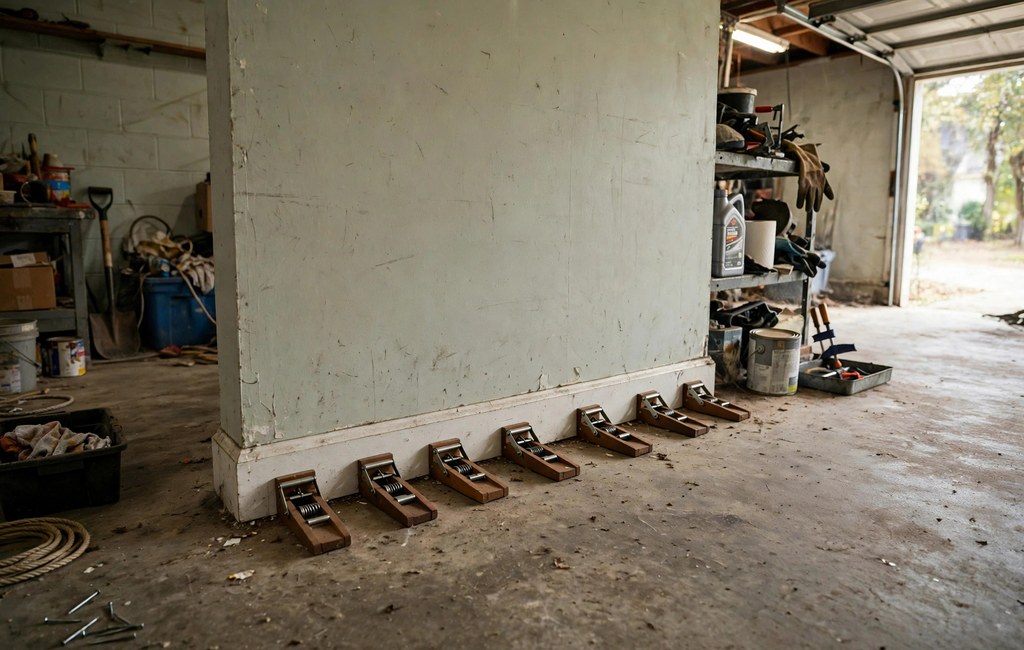
Snap traps designed for rats, placed along walls where rats run, are a common and effective choice. Place them perpendicular to the wall with the trigger end toward the wall, use a small amount of bait such as peanut butter and secure the traps so they cannot be dragged away. Wear gloves, and keep traps away from children and pets, using protective covers where appropriate.
Rats can be cautious about new objects, so it sometimes helps to leave traps unset for a couple of days so they get used to them. Check traps every day and dispose of caught rats using gloves in a sealed bag.
Why is poison risky inside walls?
Many people reach for rodent poison first. In wall voids it often backfires.
- Dead-rat odor. A rat that dies inside a wall or ceiling can produce a strong, lingering smell for days or weeks, and it is hard to locate.
- Secondary poisoning. Pets, birds of prey and other wildlife can be harmed by eating poisoned rodents.
- Child and pet risk. Baits can be dangerous if accessed.
- Poor control. Rats may die in inaccessible places, and you cannot confirm that the whole population is gone.
If poisons are used at all, a licensed professional should apply them in tamper-resistant stations according to the label. Termites need a different pro; compare termite exterminator services before damage spreads.
How should you seal rat entry points?
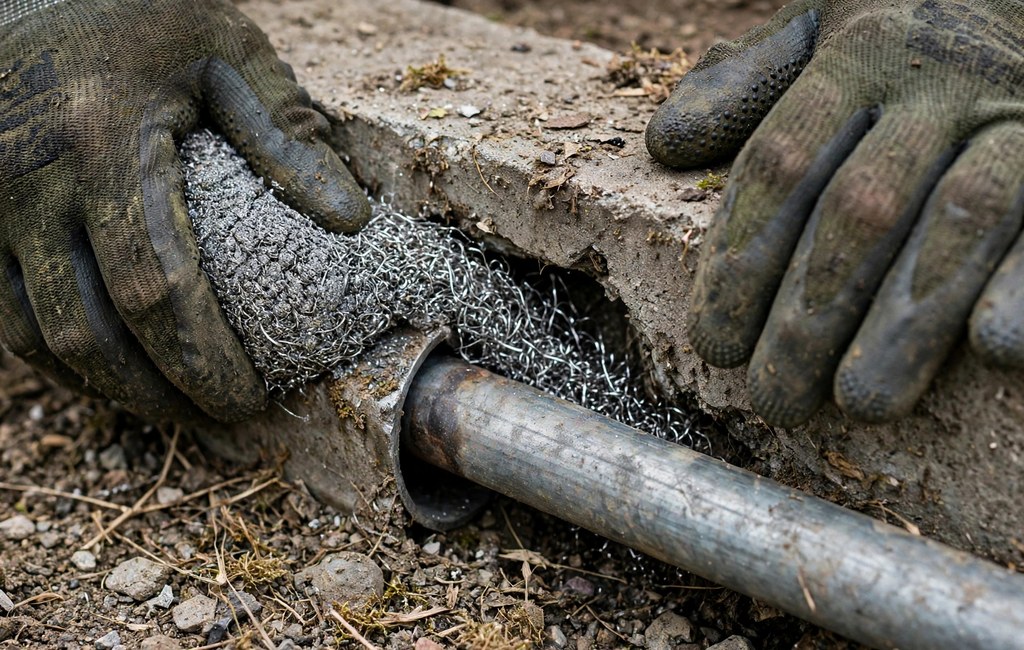
Rats gnaw through soft materials, so choose durable ones:
- Stainless steel wool or copper mesh packed into small gaps, then sealed with caulk or sealant
- Hardware cloth or metal flashing over larger openings and vents
- Concrete or cement for foundation holes
- Door sweeps on garage and exterior doors
- Metal screens or covers over roof vents and chimneys
Seal every gap you find. Rats only need one.
How do you clean up safely?
Rodent droppings and urine can carry pathogens, so clean carefully:
- Ventilate the area for some time before cleaning.
- Wear rubber or nitrile gloves and a well-fitting mask rated for fine particles.
- Do not sweep or vacuum dry droppings, which can send particles into the air.
- Spray droppings and surfaces with a disinfectant or a bleach solution, let it soak and wipe with disposable towels.
- Bag waste, seal the bag and dispose of it according to local rules.
- Wash your hands thoroughly afterwards.
If there is heavy contamination, such as in an attic with insulation fouled by droppings, hire a professional cleanup service.
When should you call a professional?
Call for help if:
- You hear activity but cannot find entry points
- The infestation is large or has lasted more than a couple of weeks
- You suspect the attic, wall voids or crawl space are heavily contaminated
- You find gnawed wiring
- You are uncomfortable handling traps or dead rodents
Professionals can inspect thoroughly, trap more efficiently and carry out exclusion work that lasts.
Rats in walls FAQs
How long does it take to get rid of rats?
Small problems may be resolved in a couple of weeks, while larger infestations can take longer. The key is to remove the population and seal every way in.
Will rats leave on their own?
Usually not, since walls offer warmth, shelter and access to food. They tend to stay until conditions change.
What if a rat dies in my wall?
The smell typically fades over a few days to a few weeks as the body dries. You can improve ventilation and use odor neutralizers. A professional can sometimes locate the source.
Can rats get through small holes?
Yes. Rats can squeeze through surprisingly small openings, so seal any gap you can find.
Does peppermint oil repel rats?
Some people try it, but evidence is weak, and it will not solve an infestation.
Take back your walls
Rats in the walls feel like a siege, but the strategy is simple: find the entry, remove the rats, seal every gap, clean up carefully and keep watching. If it all feels like too much, you do not have to do it alone.