
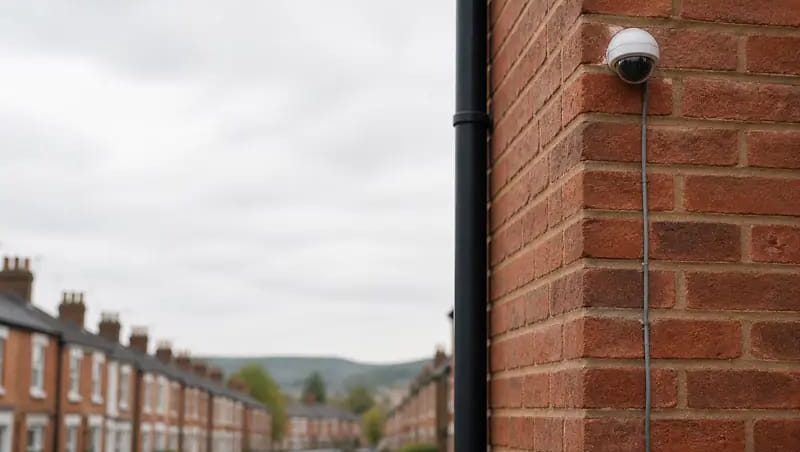
It’s an issue that’s been discussed at length by numerous home and business owners – wired CCTV vs wireless CCTV systems for homes and businesses. Both wired and wireless CCTV systems have their own list of pros and cons.
How Wired Systems Are Cabled
Cable for a wired CCTV system can be supplied as coaxial cable or as Cat5e cable. Power to the CCTV camera can be supplied over the same cable as the video signal. This is referred to as PoE or power over ethernet. One cable per camera is required, running back to the CCTV recorder. As there is very little signal loss with a wired system and other equipment is unlikely to interfere with it, wired systems are very reliable.
How Wireless Systems Transmit Footage
Wireless systems send video signal from camera to a receiver using Wi-Fi, or a dedicated wireless video link. In both cases signal is sent through airspace, similar to other wireless devices such as baby monitors, garage door openers, and your neighbours’ wireless networks. If wireless system is installed in a way that camera is placed too far from receiver, or there are thick walls in between, other wireless devices in the vicinity can cause signal to drop or become intermittent. Ofcom regulates the spectrum that is used by wireless systems for home and business use.
Installation Disruption and Cost
While wireless CCTV is quicker to install and can cost less for the actual cameras for a simple installation, the price of a wired installation can be reduced if you are already getting your home or shop in Gloucester electrically installed for other work. This is because although a wired CCTV system can cost more for the materials, the labour for the installation can be less expensive than for a wireless CCTV system.
Picture Quality and Bandwidth
Because wired systems connect to the recorders via high bandwidth cables, they are able to support very high quality images from all connected cameras. This means that systems with multiple high resolution 4K cameras are able to record images of the highest quality continuously, without any degradation of image quality. In contrast, wireless cameras share the available bandwidth of the wireless connection between all cameras on the system. As a result, image quality can suffer when additional cameras are added to a wireless system, especially when images require more data to produce a clear image at night, for example. The public guidance on rules on using CCTV responsibly goes into more detail. A useful reference for CCTV Gloucester is APM Fire and Security.
Storage Options for Each
Wired systems are generally connected to a local NVR or DVR for recording. Wireless systems typically record onto an SD card within the camera itself or upload to the cloud. Both types of systems can be suitable for surveillance but need to be accessed via the internet in order to be checked remotely. The storage and viewing of CCTV footage is covered by the Information Commissioner’s Office and there are a number of rules which need to be adhered to for the responsible use of CCTV including the storage of recorded footage.
Expanding the System Later
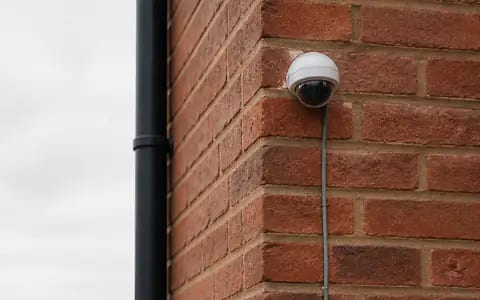
Wired CCTV is generally less flexible once installed. Typically a new wire will need to be run for each new camera which can often be as difficult as the initial installation. For systems that are likely to need additional coverage in the future (i.e. new extension, side of the garden etc) then wireless CCTV is generally a better option.
Coping With Outdoor and Older Properties
Wireless CCTV cameras are perfect for older properties with solid walls, such as Victorian terraced houses, listed buildings and old churches, as they don’t require cables to be chased through masonry. However, as with any outdoor CCTV camera, wired or wireless, it is essential that they are fitted with the correct IP rated housing to protect against the worst of the damp and wet that Gloucestershire’s weather throws at them and to prevent damage and premature failure.
Matching the System to the Building
A newly constructed building such as an extension would be best to have wired CCTV installed, as the routes of the cables would be easy to run through the loft space and through the cavity of the walls. A period property, a listed building or a property with solid walls which cannot be chased through would be better to install wireless CCTV as the cables cannot be run through the walls and the picture quality will not deteriorate as the system is expanded. For advice on how to secure a home or shop in the city, Gloucester City Council community safety advice on the use of domestic and commercial CCTV is available on the net. Also, information on crime prevention where CCTV is most effective and how footage can be used as evidence in a police investigation can be found on the Gloucestershire Constabulary web site.
However, the key thing to consider when choosing between wired and wireless CCTV is that each type of system is suitable for different types of property and can provide effective security monitoring in its own right. It is worth remembering that there are many factors to consider when choosing CCTV, including the type of walls you have, your budget and how you intend to expand your system in the future.