
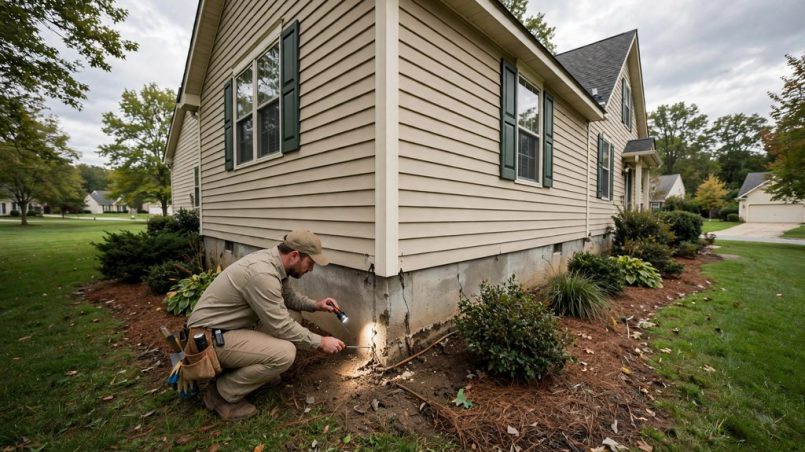
You have just scheduled a home closing, or you spotted something suspicious near the foundation, and a question pops up: how much is a termite inspection going to cost me? You search online and find numbers all over the place. Some pages say free. Others say several hundred dollars. Which one is right?
Both can be. The price depends on what is being inspected, why and by whom. Here is a clear breakdown of what drives the cost of a termite inspection, what you should get for your money and how to spot a good deal from a sales pitch.
How much does a termite inspection cost?
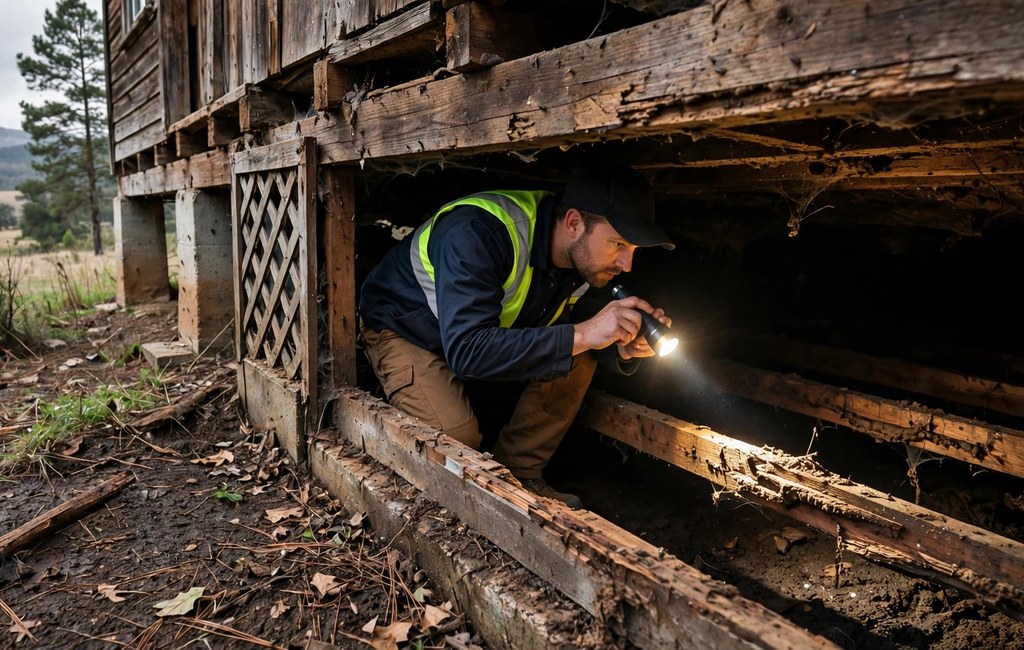
Prices vary by region, home size and inspection type. As a rough picture, a routine inspection by a pest control company can be free or cost under a couple of hundred dollars. Formal reports used in real estate transactions, which involve more documentation and liability, often cost more. Large or complex properties can cost more again.
Because ranges differ from one source to another and from one area to another, treat any national figure as a starting point. The most reliable method is to ask two or three local, licensed companies for written quotes.
What affects the price?
- Property size. More square footage, outbuildings and acreage mean more time on site.
- Access. Crawl spaces, attics and finished basements take longer to reach and inspect.
- Inspection type. A visual check for a homeowner is different from a formal wood-destroying organism (WDO) report for a lender.
- Region. Local labor rates and termite pressure influence price. Areas with heavy termite activity often have more competition and more consistent pricing.
- Add-ons. Moisture readings, infrared tools or reports for specific loan types can add cost.
- Bundles. Some companies combine inspection with a general home inspection or pest check.
What is included in a termite inspection?
A thorough inspection typically covers:
- The exterior foundation, soil line and any wood-to-ground contact
- Crawl spaces, basements, attics and garages, where accessible
- Door frames, window sills, baseboards and flooring for signs of damage
- Mud tubes, discarded wings, droppings and damaged wood
- Moisture problems such as leaks or poor drainage
- Sheds, fences, firewood piles and tree stumps near the home
The technician should explain what they find, identify any species and give you a written report or at least a clear summary. Cracks in the foundation deserve a closer look too; learn how to identify foundation problems in your old house. If anything was inaccessible, they should say so.
How is a routine inspection different from a real estate report?
Routine inspection
This is for homeowners who want to check for activity, or who inspect yearly as preventive care. It is typically less formal and may be free if you are considering a treatment plan.
Real estate or WDO inspection
Lenders and buyers often require a formal report that documents visible evidence of wood-destroying insects, damage and conditions that could encourage termites. The report follows set formats, may be used by lenders and carries the inspector’s responsibility, which is why it often costs more.
If you are buying, ask which report your lender requires before booking. Buying a home involves many such terms; learn what convey in real estate means before you sign.
Is a free termite inspection really free?
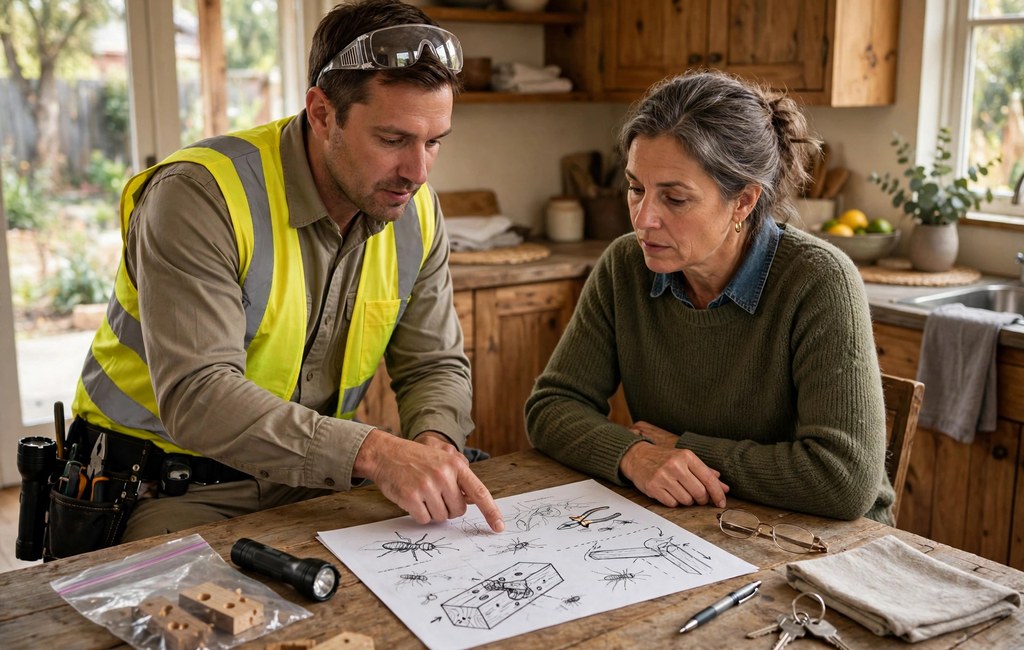
Often, yes, but it is usually offered because the company hopes to earn your business if they find a problem. That is not necessarily bad. Many reputable companies do this. Just keep a few points in mind:
- A free inspection should still be thorough. Ask what it covers.
- You are not obliged to buy treatment on the spot. Take the written findings and compare quotes.
- Be cautious if the inspector pressures you or refuses to show the evidence.
- A paid inspection by a company that does not sell treatment can be useful if you want an independent opinion. If treatment is needed, compare termite exterminator services before damage spreads.
Is a termite inspection worth the money?
For most homeowners, yes. Termite damage is generally excluded from standard homeowners insurance, and repairs can run into thousands of dollars. Insurance rarely covers hidden damage; check if insurance covers foundation cracks before you assume you are protected. An inspection that costs a small fraction of that can catch a problem early or give you peace of mind.
It is particularly worthwhile when you are buying a home, when you have found signs such as mud tubes or discarded wings, when you live in a warm, humid area or when you have had termites before.
How often should you get an inspection?
Many professionals recommend annual inspections, especially in high-risk regions. If you have an active termite warranty or bond, inspections are often part of the annual renewal. Ask what yours includes.
Can you inspect for termites yourself?
You can do a basic check. Walk around the outside of your home looking for mud tubes, soft or damaged wood, and wood touching the soil. Inside, tap baseboards and door frames, check around windows and look in basements and crawl spaces with a flashlight.
A DIY check can be a useful first step, but it cannot replace a trained inspector who knows where termites hide and what subtle signs to look for.
What should you do after the inspection?
If the report shows no activity, ask about prevention and moisture control, and schedule your next inspection. If it finds activity, request a written treatment proposal that names the species, method, areas covered, warranty and total cost. Get a second opinion if the recommended work seems extensive or the inspector cannot explain the findings.
Termite inspection cost FAQs
How long does a termite inspection take?
A typical home inspection takes about an hour, though larger or more complex properties can take longer.
Do I have to be home during the inspection?
It helps, because you can ask questions and point out concerns. But some companies can inspect the exterior without you, and indoor access can be arranged.
Can a termite inspection find all termites?
Not always. Inspectors can only assess accessible areas, and hidden activity can be missed. That is why regular inspections matter.
Does the seller or buyer pay for the inspection?
It depends on local practice and the contract. This is negotiable in many transactions, so ask your agent.
Will insurance pay for a termite inspection?
Standard policies usually do not cover inspections, and often do not cover termite damage either.
Don’t guess about what is inside your walls
A termite inspection is a small cost compared with the damage it can help you avoid. Compare local quotes, ask what the report includes and treat a free inspection as an opportunity, not an obligation.