The roof is an area of the home that most homeowners rarely think about until there is water leaking from the ceiling. Most roof problems can be identified and repaired prior to serious damage for a fraction of the cost if they were to wait until they have fallen through the ceiling.
Check twice a year as standard
A simple roof inspection every 2 years (once in the spring after the winter and once in the autumn before the winter) is all that most roofs require. This allows for an inspection to be carried out in the spring to identify any damage that may have occurred during the winter and for any necessary repairs to be completed before the onset of winter. Even a relatively straightforward roof will have missing tiles or cracked seals at some time and these are normally small problems that do not become major problems until they have caused some damage.
Add a check after severe weather
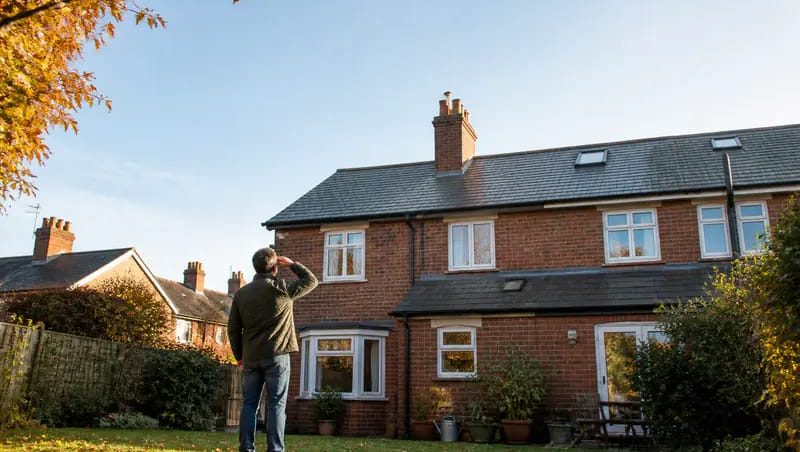
Most roof damage happens within a short time frame after a severe weather event and can be simple to repair if found in time. After a strong wind, heavy snowfall or other severe weather events it’s worth carrying out a quick roof inspection from the garden to check for any missing, damaged or loose roof tiles as well as damaged gutters and downpipes.
Inspect older roofs more closely
The age of your roof also needs to be taken into consideration. Roof’s under 10 years old with modern materials and that have been properly maintained need only a check up every 2 years. However older roofs over 20 years old are made of materials that deteriorate with time and often these defects are not visible from ground level. So more frequent inspections by a professional are recommended i.e. every few months.
Time checks around the seasons
Carry out a pre-winter check in October/November to identify any loose tiles, cracked pointing or blocked gutters prior to the worst of the weather. A post-winter check in the spring will then identify any damage caused by the cold weather. These simple checks will ensure you have the best possible understanding of the condition of your roof at the start and end of the worst weather periods. See also Roofers Hampshire. There is published guidance on working safely at height that covers this in more detail.
Check flat roofs more often
Flat roofs are subject to different types of wear and need to be inspected more frequently than pitched tile/slate roofs. Generally speaking, flat roofs need to be checked every 6 months for signs of wear such as membrane splits/tears and ‘ponding’ water where the roof’s drainage has slowed. Flat roofs on extensions/garages are best to treat as separate items for roof inspection.
Inspect before buying or selling
A roof inspection before purchase allows both parties to know the condition of the roof and any necessary repairs to be costed and included in the sale of the property. Speak to roofers in Hampshire such as R and S Roofing about pre-purchase inspections.
Do simple checks yourself between visits
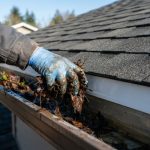
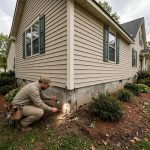
Whilst between scheduled inspections for your roof it is perfectly safe for you to check for potential problems without risk of accident or harm. Simple use of binoculars from the ground enables you to see the roofline for missing or slipped tiles. Also look for signs of possible problems from inside the house, check the loft space for signs of damp such as staining or patches of damp, signs of possible leakage through the felt such as dark marks. Check for daylight showing through from the room below the area of the roof where the damage is located. And finally check the gutters and downpipes for blockage with leaves etc. Clearance of guttering and downpipes to ensure proper drainage is a simple 10 minute task.
Check your insurance requirements
In addition to the above points it’s also worth checking your home insurance and any roofing warranty you may have for your roof. There are some policies that expect evidence of regular maintenance and in the event of a claim for damage to your roof, that the damage could have been picked up by a routine inspection. This could then result in your claim being reduced or even rejected if you can provide no evidence of regular checks having taken place.
Regular checks by a qualified roofer mean that problems with your roof are rarely unexpected. Check your roof on a seasonal basis, increase the frequency of checks in adverse weather and following major events (e.g. move). Avoid climbing on your roof – it’s far too dangerous and let someone who knows what they are doing inspect it for you.