Winter rattle can damage Denver, CO window frames because cold temperatures shrink materials while wind stresses loose components. Two forces matter most: thermal movement and repeated vibration around weak joints. Understanding both helps homeowners choose repairs before minor rattling becomes drafts, cracks, or costly replacement. Even simple residential glass replacement DIY work requires careful frame inspection before installation.
Key Takeaways
- Cold temperatures make frame materials contract and expose existing weaknesses.
- Wind pressure can turn a small gap into persistent winter rattling.
- Loose glazing, hardware, seals, and trim often create the noise.
- Wood, vinyl, aluminum, and composite frames react differently to cold.
- Early inspection can prevent water intrusion and worsening structural movement.
- Professional repair makes sense when cracks, rot, or glass movement appear.
Why Denver Winters Trigger Frame Rattling
Denver winters create demanding conditions for window systems because temperatures change quickly between sun, shade, day, and night. Those repeated changes make frame materials expand and contract throughout the season. Eventually, small tolerances become noticeable gaps, loose connections, or irritating movement.
Cold weather also changes how sealants and gaskets behave around windows. Some materials become less flexible, allowing tiny openings to develop around glass or frame joints. Consequently, wind can move components that stayed quiet during warmer months.
Frame design matters because different materials respond differently to temperature changes. Homeowners comparing different types window materials should consider movement, maintenance, and weather exposure. The best frame still needs proper installation and sound hardware to perform reliably.
Wind adds another layer of stress by pushing against the sash, glass, trim, and surrounding frame. If one component has loosened, gusts can produce repeated tapping or vibration. Over time, that movement can enlarge gaps and accelerate wear around connection points.
Cold Makes Small Defects Louder
A loose screw might cause little trouble during mild weather, yet winter movement can make it obvious. Likewise, a compressed gasket may lose enough contact to let air move through the assembly. Therefore, winter often reveals problems rather than creating every problem from scratch.
Sun exposure can intensify this effect on south and west-facing windows. One portion of a frame may warm quickly while another remains cold. That uneven movement can increase stress around corners, joints, and glazing channels.
How Thermal Movement Weakens Window Frames
Every frame material has a thermal expansion coefficient that describes dimensional movement with temperature changes. When temperatures fall, most common framing materials contract slightly. When temperatures rise, they expand again and repeat that cycle.
The movement usually stays harmless when installers provide correct tolerances and secure every connection. Problems appear when an installation leaves insufficient clearance or allows components to shift. Winter then exposes those installation weaknesses through noise, friction, and changing alignment.
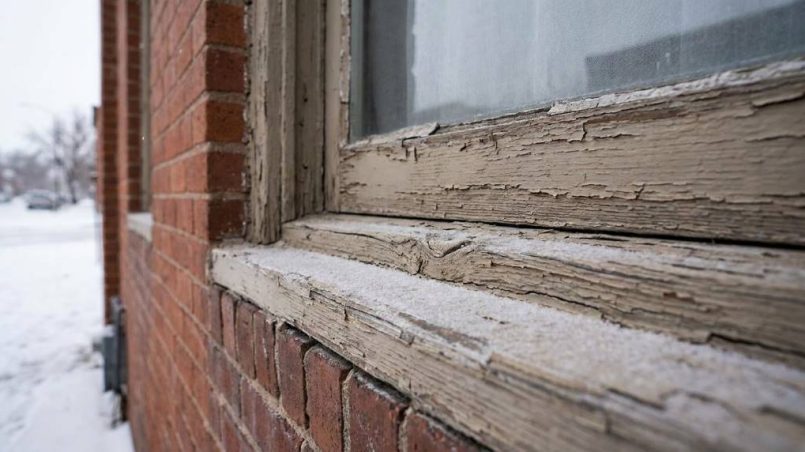
Wood frames present additional concerns because moisture affects their dimensions as well. Dry winter air can change wood moisture content and influence joints, trim, and surrounding finishes. Meanwhile, poorly sealed wood can absorb moisture during snow or precipitation events.
Vinyl frames resist many moisture problems, but they still move with temperature. Aluminum frames also expand and contract, while their rigidity can transfer movement into joints. Composite frames vary considerably because manufacturers use different material combinations and construction methods.
Watch the Corners First
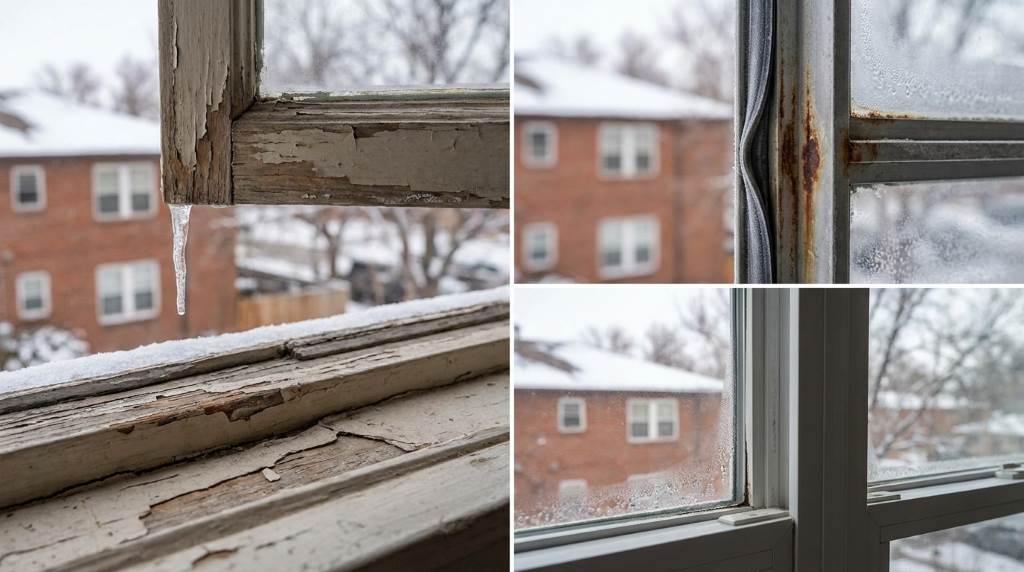
Frame corners deserve special attention because several components meet within a small area. Loose fasteners, failed joints, or shifting trim can create concentrated movement there. Start your inspection by checking corners for visible gaps, cracking, or separation.
Next, examine the area where glass meets the frame. The glass should remain stable without obvious movement when you gently operate the sash. Never force a window that binds because excessive pressure can worsen an existing defect.
What Actually Causes the Winter Rattle?
Not every rattling sound means the frame itself has failed. Often, one loose component creates vibration that travels through the entire window assembly. Identifying the exact source prevents unnecessary repairs and helps you choose the right solution.
Loose glazing beads can tap against glass or framing when wind moves the assembly. Similarly, worn weatherstripping can leave enough clearance for a sash to shift. Broken locks may also prevent the window from closing tightly against its seal.
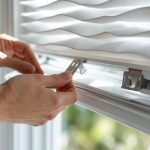
Corded blinds can create misleading noises because their hardware may strike nearby trim. Before blaming the window frame, inspect nearby coverings and mounting points. If blinds require adjustment, this guide on remove reattach corded blinds can help clarify the process.
Common Rattle Sources
- Loose sash locks: The sash moves because the lock cannot maintain firm compression.
- Worn weatherstripping: Gaps allow air pressure to move the window assembly.
- Loose glazing: Glass or glazing components vibrate inside their channel.
- Separated trim: Interior or exterior trim taps against the frame.
- Damaged sealant: Failed joints allow movement around exposed frame edges.
- Blind hardware: Nearby brackets or cords create noise that resembles frame movement.
Listen carefully before touching anything because sound location provides useful evidence. A sharp metallic tap suggests hardware, while softer vibration often points toward seals or trim. Repeated clicking during gusts usually indicates movement rather than simple temperature contraction.
How to Diagnose a Rattling Frame Safely
Begin your inspection during daylight when you can see frame joints clearly. Close and lock the window normally, then check whether the sash sits evenly. Look for visible daylight around edges because unexpected gaps indicate sealing or alignment problems.
Next, gently press the sash near each corner without applying excessive force. Movement that exceeds normal operation deserves further investigation. Do not push hard enough to stress the glass or frame.
Inspect exterior caulking for cracks, shrinking, separation, or missing sections. Then check interior trim for gaps where cold air might enter. However, avoid sealing active drainage openings because windows need designed paths for incidental moisture.
Use a Simple Sound Test
Choose a calm period and listen near each window during moderate wind. Compare the sound with the window fully locked and then slightly opened. If the noise disappears when pressure changes, the sash or sealing system deserves attention.
You can also place your hand near suspected gaps to feel moving air. Never use flames or other unsafe methods around curtains, blinds, or combustible materials. Instead, rely on touch, sight, and controlled observation.
Why Ignoring Winter Rattle Can Become Expensive
A rattling window does not automatically require replacement, but ignoring persistent movement creates unnecessary risk. Repeated vibration can loosen fasteners, damage seals, and enlarge existing gaps. Eventually, the original noise may become drafts, moisture entry, or difficult operation.
Water creates an especially serious concern around wood framing and concealed wall assemblies. Small exterior gaps can allow moisture behind trim when snow or precipitation reaches vulnerable joints. Over time, hidden moisture can support rot, staining, material deterioration, or mold growth.
Air leakage creates another problem because heated indoor air escapes through poorly sealed openings. Your heating system then works harder to maintain comfortable indoor temperatures. Consequently, a small frame defect can become both a comfort issue and an energy concern.
Rattle Versus Structural Damage
Noise alone does not prove structural failure. However, rattling combined with cracking, sagging, glass movement, water staining, or persistent drafts deserves prompt professional evaluation. Those symptoms suggest a larger problem than ordinary seasonal material movement.
Pay particular attention when the same window develops several symptoms simultaneously. A loose lock plus air leakage may indicate alignment trouble. Cracked frame corners plus glass movement may require more extensive assessment.
Practical Winter Repairs That Can Reduce Rattling
Start with simple maintenance before considering major replacement. Tighten accessible hardware carefully and replace visibly worn weatherstripping with compatible materials. Never overtighten fasteners because excessive pressure can distort certain frame materials.
Clean debris from tracks because dirt can prevent proper sash seating. Check that locks engage fully without forcing them. Lubricate compatible moving parts according to the manufacturer’s recommendations.
Replace damaged caulk where appropriate, but first remove loose material and clean the surface. Choose a sealant designed for the exposed substrate and expected temperature range. Allow proper curing time before exposing the repair to severe weather.
When DIY Makes Sense
Minor hardware adjustments and accessible weatherstripping often suit careful homeowners. Basic cleaning and visual inspections also require little specialized equipment. Still, stay within your skill level when glass or elevated exterior work becomes involved.
Do not attempt complicated glass repairs when cracks, broken seals, or frame distortion affect the assembly. Incorrect installation can compromise weather resistance and create additional stress. Professional assessment becomes the safer choice when the frame no longer holds components securely.
How to Prevent Winter Frame Problems
Prevention works best before temperatures drop and strong winter winds arrive. Inspect windows during autumn and identify loose hardware, deteriorated seals, and damaged exterior joints. Addressing small defects early reduces the chance of winter escalation.
Keep tracks clean so sashes can close without obstruction. Maintain locks and moving hardware without forcing components into position. Also, keep exterior drainage paths clear so water can leave the window assembly correctly.
Monitor indoor humidity during cold weather because excessive moisture can create condensation around cold glass and frames. Persistent condensation deserves investigation rather than repeated wiping. Improving ventilation and controlling humidity can reduce moisture-related stress.
A Simple Seasonal Checklist
- Inspect frame corners: Look for cracks, separation, or visible movement.
- Test window locks: Confirm every lock engages smoothly and completely.
- Check weatherstripping: Replace flattened, torn, or missing sections.
- Inspect caulking: Repair exterior gaps before winter precipitation arrives.
- Clean tracks: Remove debris that prevents proper sash alignment.
- Check nearby hardware: Inspect blinds and shades for independent rattling.
Repeat this inspection after the first major cold snap. Temperature changes can reveal weaknesses that remained hidden during autumn. Early detection gives you more repair options and reduces emergency decisions.
When Denver Homeowners Should Call a Professional
Professional help makes sense when rattling persists after basic maintenance. It also becomes important when you notice damaged glass, warped frames, severe drafts, or moisture intrusion. These conditions can involve installation defects or concealed damage.
Ask the professional to identify the actual source rather than simply quieting the noise. A temporary adjustment may hide movement without correcting its cause. A proper diagnosis should consider the frame, glass, hardware, seals, trim, and surrounding wall.
Replacement becomes more reasonable when repairs cannot restore stable operation. Severe deterioration, repeated seal failure, significant warping, or obsolete components can make continued repairs inefficient. However, replacement should follow a documented diagnosis rather than a guess.
The Bottom Line on Winter Rattle
Winter rattle ruins Denver, CO frames mainly when temperature movement combines with loose, worn, or poorly sealed components. Cold weather exposes weaknesses, while wind repeatedly stresses those vulnerable points. Therefore, the smartest response focuses on finding the movement source before damage spreads.
Inspect corners, hardware, seals, glazing, tracks, and nearby coverings before choosing a repair. Fix minor issues early and seek professional evaluation when structural symptoms appear. If your windows rattle every winter, schedule an inspection before the next cold spell.
Protecting your frames now can improve comfort, reduce drafts, and extend window service life. Take action while the problem remains manageable rather than waiting for visible damage. A careful inspection today can prevent a much larger repair tomorrow.
Frequently Asked Questions
Can cold weather really make window frames rattle?
Yes, temperature changes can cause material movement that exposes loose joints, hardware, seals, and glazing components.
Does rattling always mean I need new windows?
No, many rattling windows only need hardware adjustment, weatherstripping, sealing, or alignment repairs.
Which frame materials rattle most during winter?
No single material always rattles most because installation quality, age, movement, and hardware condition matter more.
Can wind make a small frame problem worse?
Yes, repeated wind pressure can increase movement and gradually loosen already weakened components.
When should I hire a window professional?
Hire a professional when rattling accompanies glass movement, frame cracks, moisture intrusion, severe drafts, or difficult operation.