Finding affordable gymnastics equipment in California can feel like a challenge, especially when you are just starting out or outfitting a growing athlete. The cost of living is high, and specialty sports stores often charge premium prices for equipment that may not even meet your specific needs. However, a quality gymnastics rope—essential for rhythmic gymnastics, conditioning drills, and agility training—does not have to break the bank. The secret lies in knowing what specifications matter, where to look, and how to spot a durable product without overpaying. This guide will walk you through the entire process of selecting a budget-friendly rope, covering materials, sizing, buyer protections, and practical mistakes to avoid. Whether you are a parent, a coach, or a recreational athlete, you will leave with a clear action plan to get the best value for your money.
Key Takeaways
- Focus on material composition and adjustability rather than brand names when shopping on a budget; polypropylene and nylon offer the best balance of durability and cost.
- Correct sizing is critical for safety and skill development; a rope that is too short or too long can cause unnecessary frustration and injury risk.
- Consider the total cost of ownership, including shipping fees and potential import taxes, when comparing prices from out-of-state or online retailers.
- Use California’s consumer protection laws and local return policies to your advantage, allowing you to test a rope with minimal financial risk.
- Avoid “too good to be true” deals on unknown brands; a slightly higher price from a reputable manufacturer ensures safety and longevity.
Understand Your Gymnastics Rope Requirements
Before you start browsing online or visiting local stores, you must understand exactly what type of rope you need. The term “gymnastics rope” is broad, but in the context of rhythmic gymnastics and general training, the equipment serves two distinct purposes. First, it is an official apparatus for rhythmic gymnastics routines, requiring specific dimensions and handling characteristics. Second, it is a versatile training tool for jumps, conditioning, and coordination drills. These use cases are vastly different, and a rope designed for one may be entirely unsuitable for the other.
For rhythmic gymnastics, the rope must be proportional to the athlete’s height. The official rule is that the rope’s length should correspond to the gymnast’s height, measured from the toes to the shoulders. When held in the middle and pulled taut, the ends should reach the athlete’s armpits. This is a strict requirement for competitive routines. On the other hand, a training rope for conditioning is often longer and heavier to provide resistance and feedback. Understanding this distinction prevents you from purchasing a rope that looks right but performs poorly for your intended activity.
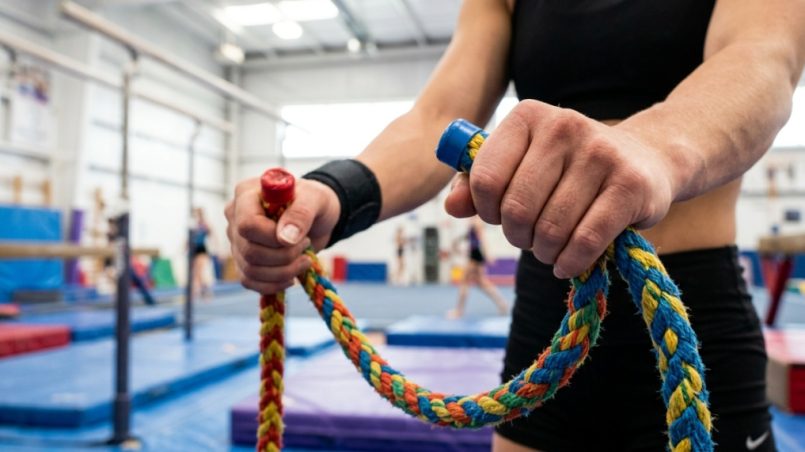
Additionally, consider the end knots. Competition ropes commonly have knotted ends to help the gymnast grip the rope without it slipping. Beginner and training ropes may have handles or taped ends. Deciding which type you need will significantly narrow your search and prevent you from wasting money on the wrong style.
Key Specifications for Competitive Use
If your goal is competition, the specifications do not allow for much flexibility. The rope must be made of hemp or a synthetic material that retains the properties of hemp, such as being lightweight and resistant to twisting. The majority of competitive gymnasts use a synthetic rope, as it is more durable and consistent than natural hemp. The crucial point is that the rope must not have any handles; it is simply a rope with knotted ends. When making a purchasing decision for competitive use, the primary focus is on the material’s “whip” and “feel.” A cheap rope that is too stiff will not perform well for swings and wraps, while one that is too flimsy will not hold its shape for throws.
During practice, however, many athletes use cheaper, heavier ropes to build strength. These are often available in sporting goods stores as “jump ropes,” but they are not suitable for routines. If you are a competitive athlete, you will likely need to purchase two different ropes: one for serious practice and performance, and one for conditioning. When budgeting, account for both needs separately.
Evaluate Materials: Balancing Cost and Durability
The material of the rope is the single most important factor influencing both price and longevity. On a budget, you are likely deciding between polypropylene, nylon, and PVC (vinyl). Each has distinct characteristics that affect performance in California’s varied climates, from humid coastal areas to dry inland valleys.
Polypropylene is widely regarded as the best all-around choice for gymnastics. It is lightweight, floats in the air during throws, and has a good “snap” for swings. It is also relatively inexpensive to manufacture, meaning you can find high-quality polypropylene ropes at entry-level prices. This material is ideal for beginners because it is forgiving and easy to control. The main drawback is that it can stretch slightly over time, but for the price, this is a negligible issue. For a budget-conscious buyer, polypropylene offers the absolute best performance per dollar.
Nylon is another common option, often used for heavier training ropes. It is softer and more pliable than polypropylene, which makes it comfortable to hold but harder to keep open in a loop during jumps. Nylon ropes are generally cheaper than polypropylene but also less durable; they are prone to fraying if used on abrasive surfaces like concrete. If you are training in a garage or driveway, nylon will wear out quickly.
PVC (Vinyl) ropes are the most common “cheap” option found in general sports stores. They are often used as jump ropes for fitness. While they are inexpensive, they are usually too heavy and lack the “whip” required for gymnastics maneuvers. PVC ropes also have a tendency to kink and retain bends, which ruins the shape of the rope during a routine. I generally advise against using these, even for basic training, as they can teach bad habits regarding rope tension and handling.
Why Material Matters for Budget Buyers
Choosing the right material directly impacts the “cheap” aspect of your purchase. A very cheap PVC rope might cost $5, but if you need to replace it every month due to kinking, the long-term cost exceeds that of a $20 polypropylene rope that lasts for years. When I search for a cheap gymnastics rope California athletes trust, I emphasize looking at the material first. The best strategy is to purchase the highest-quality polypropylene rope you can afford, as it offers the lowest replacement frequency and the most consistent performance.
Furthermore, consider the environment where the rope will be used. In California, if you train outdoors in the summer heat, PVC can become sticky and difficult to handle. Polypropylene, however, remains relatively stable across a wide range of temperatures. This makes it a more reliable investment for year-round training, regardless of the specific microclimate you live in. This durability factor is often overlooked but is crucial for getting the most value out of a budget purchase.
Get the Sizing Right to Avoid Wasting Money
One of the most common mistakes is buying a rope of the wrong length. A rope that is too long will drag on the floor, causing it to catch underfoot and interrupting the rhythm of the routine. A rope that is too short forces the gymnast to bend their arms or hunch their shoulders, which develops poor posture and limits the execution of skills like “Eskimo” swings or “butterfly” jumps.
To size a rope correctly, you cannot rely on generic “child” or “adult” labels. You must measure it based on the user’s height. The standard method is to have the gymnast stand on the middle of the rope with their feet hip-width apart. Pull the handles or ends upward. The ends should reach the armpits. This is the ideal length for both performance and practice. When measuring, ensure the gymnast is wearing the same type of shoes (or barefoot) that they will use during training, as this can alter the measurement slightly.
The Math of Rope Length
If you are buying for a child who is growing, you might be tempted to buy a longer rope to “grow into.” This is a mistake. A rope that is too long is dangerous and hampers learning. Instead, look for ropes that offer adjustable length. Some synthetic ropes come with special clips or can be re-knotted at the ends. If you are handy, you can buy a longer rope and cut it down to size, melting the ends to prevent fraying. However, ensure the material is thermoplastic (like polypropylene or nylon) so it melts cleanly. Buying a rope that is too long and using it as-is will only lead to frustration and a false economy.
For an older athlete who has stopped growing, the sizing is simple. For a younger athlete, expect to replace the rope every couple of years. This expectation should be a part of your budget planning. Factor in that your “cheap” rope might only last 18 months before the length becomes unsuitable, even if the material is still in good condition. Plan for this replacement cycle.
Where to Shop: Online vs. Local vs. Specialty Stores
In California, you have three primary avenues for purchasing a gymnastics rope: local big-box sports stores, specialized gymnastics pro shops, and online retailers. Each has distinct advantages regarding price and speed.
- Big-Box Stores (e.g., Dick’s, Walmart): These stores offer convenience and low prices, but their selection is severely limited. They typically stock PVC jump ropes or generic “speed ropes” that are not suitable for gymnastics. You might find an acceptable nylon rope in a pinch, but the quality is inconsistent.
- Specialty Gymnastics Pro Shops: Areas like the Los Angeles basin or the Bay Area have shops that cater specifically to gymnastics clubs. These stores carry professional-grade ropes. The staff are knowledgeable, and you can physically feel the rope before buying. However, prices here are often at MSRP, and you may pay a premium for the convenience and expertise.
- Online Retailers: This is where you will find the best prices and the most variety. Online shops can offer lower overhead costs, which translates to cheaper products. However, you have to wait for shipping, and you cannot feel the rope before you buy. This is where reading reviews and understanding materials becomes critical.
For a budget buyer, online shopping is usually the best route. However, you must factor in shipping costs and potential return shipping fees if the product is not suitable. Some online retailers offer free returns, which can make them a safer bet than a store with a low price but a strict “final sale” policy.
Navigating Shipping and Import Costs
Many gymnastics ropes are manufactured overseas. If you are buying from a US-based distributor, the shipping is usually domestic and affordable. However, if you buy directly from an overseas marketplace, you might face long wait times and unexpected customs fees. Always check the “ships from” location. A rope that is $10 cheaper but takes three weeks to arrive and incurs a $15 customs fee is not a bargain. Furthermore, verify the return address. If the order is shipped from a warehouse in California or Nevada, delivery is faster and returns are easier. Look for “Prime” or “Fast & Free” shipping options to reduce this risk.
Check Return Policies and Consumer Protections
California has some of the strongest consumer protection laws in the country, which can be your best ally when making a budget purchase. The key is knowing your rights before you buy. Most major retailers must clearly state their return policy at the time of purchase. Some allow returns for any reason within 30 to 90 days, while others only accept returns if the item is defective.
Before finalizing your order, read the return policy carefully. Look for keywords like “free returns” or “no restocking fee.” If you buy a rope and it turns out to be too stiff or too heavy, you want the option to send it back. If the seller charges a restocking fee, that effectively raises the price of the rope, ruining your “cheap” deal. The best strategy is to buy from a retailer that offers a satisfaction guarantee, even if the initial price is slightly higher.
Consider purchasing with a credit card that offers purchase protection. Many credit cards extend the manufacturer’s warranty or offer protection against damaged goods. This provides an extra layer of security for your purchase, ensuring that you are not left out of pocket if the rope arrives defective or breaks prematurely. While this may not reduce the upfront cost, it protects your budget in the long run.
Common Mistakes to Avoid When Buying Cheap
When you are trying to save money, it is easy to fall into traps that end up costing more in the long run. Being aware of these pitfalls will save you time and money.
- Buying “Kiddie” Sets: Many toy stores sell play ropes for children. These are usually made of thin plastic and are fragile. They might be cheap, but they break within days and discourage the child. Always buy equipment labeled for “gymnastics” or “professional training,” even if it is the lowest tier of that category.
- Ignoring the Knots: The ends of a gymnastics rope are usually knotted. Cheap ropes might have poorly tied knots that slip or untie during use. Ensure the knots are tight and secure. If they are not, they can become a safety hazard when the rope is swung at speed.
- Prioritizing Color over Quality: Bright, vibrant colors are attractive, especially to young gymnasts. However, the dye used in cheap ropes can sometimes make the material stiff or sticky. If you find a rope at a great price, but it is a rare color, verify that it is made of the same quality material as the standard colors. Sometimes, the “sale” color is on sale for a reason.
- Forgetting the Environment: If you train outdoors in a dry area like Bakersfield or a sandy beach, the rope will pick up grit and dirt. This abrasive grit will wear down the rope’s surface quickly. You may need to buy a slightly higher-end rope to withstand this wear, as budget ropes will have a significantly shorter lifespan in these conditions.
Cost-Saving Strategies for Coaches and Clubs
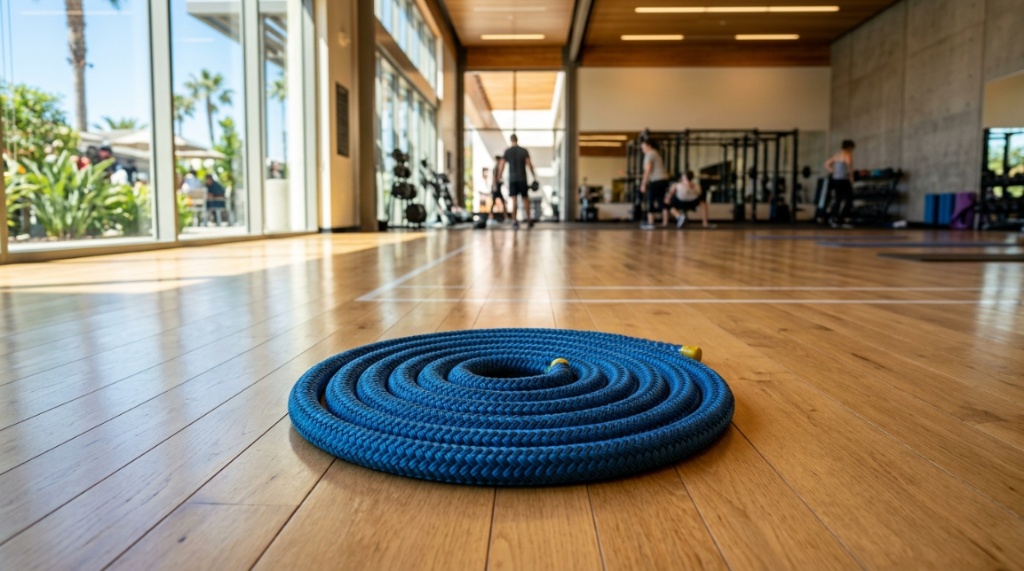
If you are purchasing ropes for a gymnastics club or a school team, the budget pressure is amplified. You need multiple ropes, and each dollar saved per unit is significant. For bulk purchases, reach out directly to the manufacturers or distributors. Many companies offer volume discounts for orders of five or more. Even if they don’t advertise it, a simple email asking about a “club discount” can yield a 10-20% price reduction.
Another strategy is to buy “school packs.” These are collections of ropes in various sizes that are sold together. While they might seem like a random assortment, they are specifically designed for gym classes and clubs where athletes of different heights train together. These packs are often priced much lower per rope than buying individuals. However, ensure the pack includes the correct mix of sizes for your group. There is no point in getting a discount if you end up with unusable lengths.
Additionally, consider building a relationship with a single supplier. Loyalty can lead to price locks or early access to sales. If you find a reliable brand that offers a good warranty, stick with it. The consistency of the product is worth more than the small savings you might get from switching to an unknown brand that breaks down mid-season, To maximize your property management strategies alongside fitness facility setups, read our guide on how letting agents market a rental property.
Frequently Asked Questions
What is the best length for a gymnastics rope if I am 5’5″?
If you are 5’5″, you should look for a rope that is roughly 9 feet (2.7 meters) long. To be precise, step on the middle of the rope with your feet hip-width apart. The ends should reach your armpits. Most brands offer size charts that map lengths to heights, but this physical test is always the most accurate method.
Can I use a regular jump rope for rhythmic gymnastics training?
You can use it for basic jump conditioning, but it is not recommended for skill training. Regular jump ropes are usually made of PVC or beaded plastic, which are too heavy and slow. They do not have the correct “whip” or rebound needed for gymnastics throws and swings. It is better to practice with the correct equipment to develop the right muscle memory.
Are heavy ropes better for building strength?
Heavy ropes, often weighted or made of thick nylon, are excellent for building upper body and core strength. They force you to work harder to throw and catch the rope. However, they should not be used for routines or learning new skills, as they alter your timing and center of gravity. Use them specifically for strength circuits and warm-ups.
How do I fix a rope that has kinked or twisted?
To remove kinks, hang the rope by one end with a small weight attached to the other end for a few hours. For polypropylene ropes, you can also use a blow dryer on a low heat setting to relax the fibers, but be careful not to melt them. Avoid storing the rope in a tight coil; instead, drape it loosely or hang it to prevent future kinks.
Is it better to buy a rope with handles or knotted ends?
For gymnastics, knotted ends are the standard. Handles are generally used for fitness jump ropes. Knotted ends allow for more complex maneuvers like “wraps” and “rotations” that would be difficult or impossible with bulky handles. Always choose knotted ends for rhythmic gymnastics or technical skill development.
What is the lifespan of a synthetic gymnastics rope?
With regular use (3-4 times per week), a quality polypropylene rope will last between 6 months and a year. If it starts to fray, lose its shape, or become stiff, it is time to replace it. Continuous use on rough outdoor surfaces will shorten this lifespan significantly.
Conclusion
Finding a cheap gymnastics rope in California is entirely achievable if you prioritize material over brand, size it correctly, and shop with a clear understanding of your training needs. Focus on polypropylene for the best balance of performance and price, and always verify the return policy to protect your investment. Remember that the cheapest upfront cost is not always the best value; consider the rope’s durability and suitability for the specific type of gymnastics you are practicing. By avoiding the common pitfalls of poor sizing and unsuitable materials, you can equip yourself or your gymnast with a reliable tool that supports skill development without straining your budget. Take the time to measure correctly and choose a reputable seller, and you will get plenty of value from a modest investment.