Understanding Clay Soil Challenges in Your Lawn
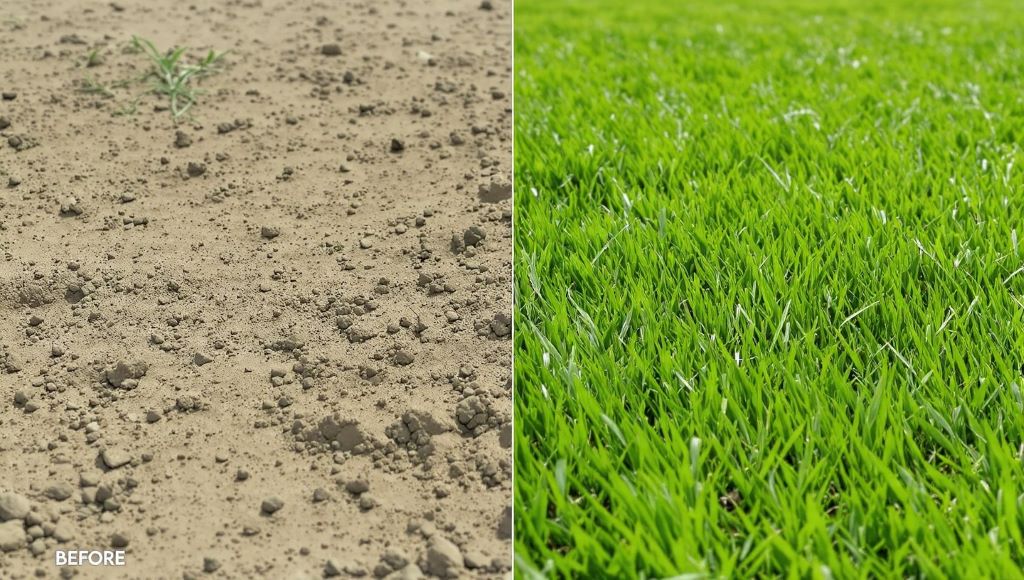
Hard clay spots can turn your beautiful lawn into a patchy eyesore. These compacted areas resist water, prevent grass growth, and create unsightly bare patches that frustrate homeowners. Clay soil contains tiny particles that pack tightly together, leaving little room for air, water, or roots to penetrate. When clay dries, it becomes rock-hard, making it nearly impossible for grass to establish itself. The experts at Boyers Lawn Care understand these challenges and recommend topdressing as an effective solution for transforming problematic clay areas into thriving green spaces.
Topdressing involves spreading a thin layer of quality material over your lawn to improve soil structure and growing conditions. This method works particularly well for clay patches because it gradually amends the soil composition. Additionally, topdressing helps level uneven areas while introducing organic matter that clay desperately needs. However, success requires proper preparation and the right materials.
Why Clay Creates Bare Patches
Clay soil presents unique obstacles for lawn health. The microscopic particles bond together when wet, forming an impermeable barrier. Therefore, water pools on the surface instead of soaking in, leading to runoff and wasted irrigation. When dry conditions arrive, clay contracts and hardens like concrete. Grass roots cannot penetrate this dense layer to access nutrients and moisture below.
Furthermore, clay lacks the organic content that promotes beneficial microbial activity. This deficiency means slower nutrient cycling and reduced soil fertility. Many homeowners struggle with lawn repair hard bare patches caused by these compacted clay conditions. Consequently, grass weakens and dies, leaving bare spots that invite weeds and erosion.
Temperature extremes worsen clay problems. Summer heat bakes the surface, creating cracks that damage remaining grass roots. Winter freezing and thawing cycles cause heaving that disrupts soil structure even more. These conditions create a hostile environment where grass struggles to survive.
Preparing Clay Spots for Topdressing
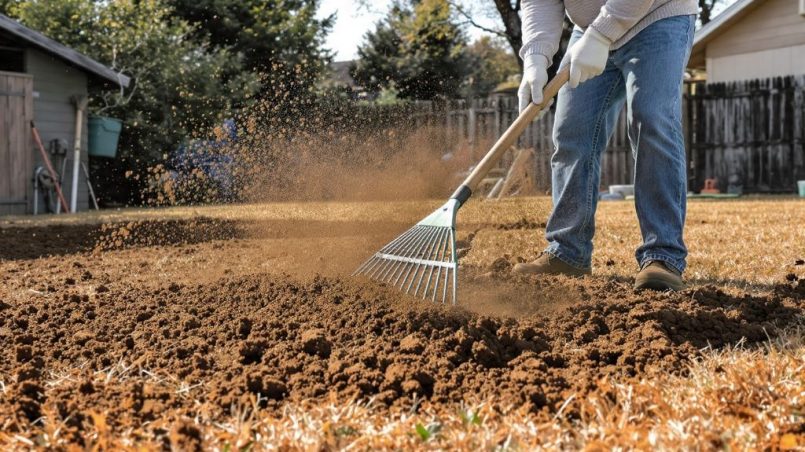
Proper preparation determines topdressing success. Begin by mowing the affected areas shorter than usual, around one to two inches. This height allows the topdressing material to reach the soil surface effectively. Next, remove any dead grass, weeds, or debris from the bare patches. A garden rake works well for clearing surface obstacles.
Aeration proves essential before topdressing clay areas. Core aeration removes small plugs of soil, creating channels for air, water, and amendments to penetrate. According to the University of Minnesota Extension, aeration combined with topdressing significantly improves clay soil structure over time. For severely compacted spots, consider double aerating in perpendicular directions.
After aeration, lightly rake the surface to break up soil clumps. This step ensures better contact between existing soil and topdressing material. Additionally, test your soil pH if possible. Clay often has pH imbalances that affect nutrient availability. Understanding your soil chemistry helps you select appropriate amendments.
Selecting the Right Topdressing Material
Material selection makes or breaks your topdressing project. For clay patches, you need ingredients that improve drainage and soil structure. A blend of quality topsoil, compost, and coarse sand typically works best. This combination adds organic matter while creating air spaces in the dense clay.
The ideal mix contains roughly 70 percent topsoil, 20 percent compost, and 10 percent coarse sand. However, ratios can vary based on your clay severity. Extremely heavy clay might benefit from more sand, while moderately compacted areas need less. Never use fine sand or beach sand, as these can worsen compaction problems.
Compost provides essential organic matter that improves soil life. Quality compost contains decomposed plant materials that feed beneficial microorganisms. These organisms help break down clay particles over time. Moreover, compost retains moisture without creating waterlogged conditions. Look for well-aged, weed-free compost from reputable suppliers.
Some homeowners prefer specialized topdressing blends sold at garden centers. These products often contain specific ratios designed for different soil types. While convenient, they cost more than mixing your own materials. Calculate your square footage to determine how much material you need. Generally, plan for a quarter-inch to half-inch layer across affected areas.
Application Techniques for Best Results
Timing matters when topdressing clay patches. Early fall provides ideal conditions because temperatures moderate and rainfall increases. Spring ranks as the second-best season, particularly after the last frost. Avoid topdressing during extreme heat or drought, as grass lacks the energy to recover quickly.
Start by spreading your topdressing material evenly over prepared areas. Use a shovel to distribute piles, then spread with a landscaping rake or specialized topdressing tool. Work the material into grass areas using the back of the rake. For bare patches, apply a slightly thicker layer to encourage seed germination.
After spreading, lightly water the topdressed areas. This helps settle the material and initiates soil contact. However, avoid heavy watering that might wash away your topdressing. Gentle irrigation works best for the first few days. Subsequently, maintain consistent moisture to support grass recovery and establishment.
For bare clay patches, overseed immediately after topdressing. Select grass varieties suited to your climate and light conditions. Spread seed evenly, then lightly rake to ensure good seed-to-soil contact. According to Consumer Reports, choosing the right grass seed for your specific conditions dramatically improves establishment rates. Keep seeded areas consistently moist until grass reaches mowing height.
Maintenance After Topdressing
Post-application care determines long-term success. Avoid heavy foot traffic on topdressed areas for at least two weeks. This allows the material to settle and grass to begin recovery. Additionally, delay mowing until grass reaches one-third taller than your desired height. When you do mow, use sharp blades to avoid tearing tender new growth.
Water management becomes crucial after topdressing. Clay patches need frequent, shallow watering initially to keep the topdressing layer moist. As grass establishes, gradually transition to deeper, less frequent watering. This approach encourages roots to penetrate into the amended clay below. Generally, aim for one inch of water weekly, including rainfall.
Fertilization supports recovery in topdressed areas. Wait two to three weeks after application before feeding. Then apply a balanced starter fertilizer according to package directions. However, avoid over-fertilizing, which can burn tender grass and leach into groundwater. Slow-release formulations provide steady nutrition without environmental concerns.
Monitor your topdressed areas for several weeks. You should notice improved drainage and grass vigor within a month. Additionally, the soil will feel less compacted and easier to penetrate. If some spots remain problematic, plan a second topdressing application the following season. Multiple treatments often prove necessary for severely compacted clay areas.
Long-Term Clay Management Strategies
Topdressing provides significant benefits, but managing clay requires ongoing attention. Annual aeration helps maintain soil structure improvements. Fall aeration works particularly well because it prepares your lawn for winter and spring growth. Therefore, make this practice a regular part of your lawn care routine.
Continue adding organic matter through composting and mulching grass clippings. These practices gradually increase your soil’s organic content over years. Moreover, healthy soil biology develops, further breaking down clay particles. The transformation takes patience, but results accumulate with consistent effort.
Consider adjusting your grass selection for clay areas. Some varieties tolerate heavy soils better than others. Tall fescue and fine fescue generally perform well in clay conditions. Conversely, Kentucky bluegrass struggles without excellent drainage. Matching grass to your soil conditions reduces maintenance requirements and improves lawn health.
Avoid practices that increase compaction. Heavy equipment, excessive foot traffic, and working wet soil all worsen clay problems. Additionally, maintain proper mowing height for your grass type. Taller grass develops deeper roots that help break up compacted soil naturally. Never remove more than one-third of the grass blade in a single mowing.
Troubleshooting Common Issues
Sometimes topdressing does not produce expected results. Poor drainage might persist if you have a hardpan layer below the surface. This impermeable layer requires deeper intervention, possibly including subsoiling or installing drainage systems. Professional assessment helps identify such underlying problems.
Weed invasion often plagues newly topdressed areas. Bare soil provides perfect germination conditions for weed seeds. Therefore, overseed heavily and maintain dense grass cover. Hand-pull weeds when they are young, before they establish root systems. Healthy, thick grass naturally crowds out most weed species.
Uneven settling can create low spots that collect water. These depressions require additional topdressing to level properly. Wait until the initial application settles completely, then add more material to low areas. Multiple thin applications work better than one thick layer.
If grass fails to establish after topdressing, check for several factors. Inadequate watering ranks as the most common cause. Additionally, poor seed quality, wrong grass variety, or unfavorable weather can prevent germination. Extreme temperatures, either hot or cold, stress new seedlings significantly. Consider reseeding when conditions improve.
Conclusion
Topdressing hard clay spots transforms problematic areas into healthy, attractive lawn spaces. This technique improves soil structure, enhances drainage, and creates favorable growing conditions for grass. Success requires proper preparation, appropriate materials, and correct application timing. However, the effort pays dividends through improved lawn health and reduced maintenance over time.
Remember that clay amendment takes patience and persistence. Multiple topdressing applications over several seasons produce the best long-term results. Additionally, ongoing practices like annual aeration and organic matter additions maintain improvements. With consistent care, even the most stubborn clay patches can support lush, green grass that enhances your property’s beauty and value.
Frequently Asked Questions
How often should I topdress clay areas in my lawn?
Topdress clay spots once or twice yearly for best results. Fall provides optimal conditions, with spring as a secondary option. Severely compacted areas may benefit from topdressing twice annually for two to three years. After soil structure improves, reduce frequency to annual maintenance applications.
Can I topdress without aerating first?
While possible, topdressing without aeration produces limited results on clay soil. Aeration creates pathways for amendments to penetrate compacted layers. Without these openings, topdressing material sits on the surface with minimal soil improvement. Always aerate clay areas before topdressing for maximum effectiveness.
What thickness should I apply when topdressing?
Apply topdressing material one-quarter to one-half inch thick over existing grass. For bare clay patches, you can increase thickness to three-quarters of an inch when overseeding. Thicker applications can smother grass and prevent light penetration. Multiple thin applications over time work better than one heavy layer.
Will topdressing kill my existing grass?
Proper topdressing will not kill healthy grass when applied correctly. The thin layer allows grass blades to grow through the material quickly. However, applying too much material or covering grass completely during dormancy can cause damage. Spread material evenly and work it into the turf to avoid smothering plants.
How long before I see improvement in clay patches?
Visible improvements typically appear within four to six weeks after topdressing. Drainage improves first, followed by increased grass density and color. However, complete soil structure transformation takes multiple seasons. Expect gradual, cumulative improvements rather than overnight changes. Consistency produces the best long-term results.
Related Topics:
WHAT SHOULD I DO FIRST IN MY GARDEN?