
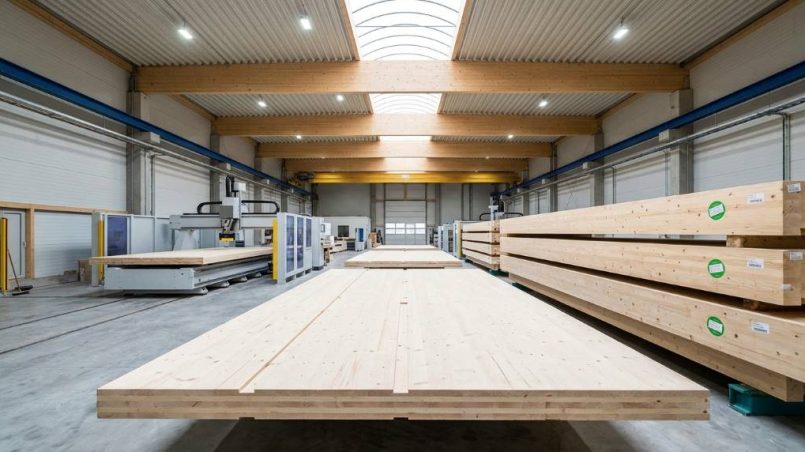
Portland homeowners continue to prioritize energy performance, durability, and sustainability. Wood framed homes remain a leading choice because they balance comfort with long term efficiency. According to industry data, wood construction stores carbon and reduces embodied energy compared to many alternatives. In addition, properly designed wood homes can significantly improve thermal performance. Many builders also study concepts used in energy efficient oak homes to understand how natural materials support comfortable living throughout changing seasons.
Why Wood Structures Remain Popular in Portland
Portland experiences wet winters and mild summers throughout most years. Therefore, homeowners need building materials that adapt well to changing moisture levels. Wood offers excellent structural flexibility and thermal properties. As a result, many residential projects continue using advanced wood framing systems. These systems help improve comfort while supporting long term energy savings.
Builders also appreciate wood because it allows efficient construction timelines. Moreover, wood components often require less energy during manufacturing. Homeowners can combine modern insulation with timber framing for better performance. Many renovation projects also benefit from creative house extension ideas that preserve efficiency while adding usable living space. Consequently, families gain more room without sacrificing energy performance.
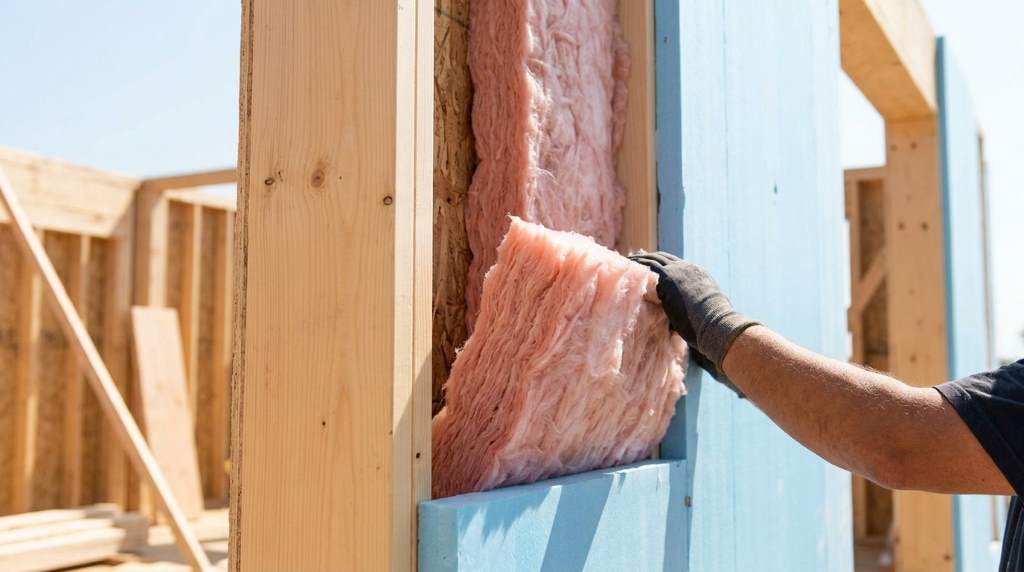
Another advantage comes from wood’s natural insulating characteristics. Unlike some materials, wood slows heat transfer through framing elements. Therefore, homes maintain indoor temperatures more effectively. Residents often notice lower heating demands during colder months. This benefit supports both comfort and utility savings.
How Wood Helps Improve Energy Efficiency
Wood contains tiny air pockets within its cellular structure. These pockets help reduce heat movement through building assemblies. Consequently, homes lose less warmth during winter and gain less heat during summer. This natural characteristic complements modern insulation systems. Together, they create highly efficient building envelopes.
Framing techniques have also improved substantially during recent years. Builders now use advanced layouts that reduce thermal bridging. As a result, fewer pathways allow unwanted heat transfer. Indoor temperatures remain more stable throughout the year. Therefore, heating and cooling systems operate more efficiently.
Energy efficient wood homes often include several supporting features:
- High performance insulation systems
- Air sealing around windows and doors
- Efficient HVAC equipment
- Moisture management layers
- Energy efficient roofing materials
When these features work together, homeowners achieve stronger overall performance. Furthermore, utility costs often remain more predictable. Many households also appreciate the quieter indoor environment. Therefore, efficiency improvements create multiple benefits beyond energy savings alone.
Managing Portland’s Wet Climate With Wood Construction
Moisture management plays a critical role in Portland home performance. Frequent rainfall can create challenges if construction lacks proper protection. Therefore, builders focus heavily on drainage and ventilation details. Wood structures perform exceptionally well when moisture management systems function correctly. These measures help preserve structural integrity for decades.
Rain screens have become increasingly popular in modern wood construction. They create a small gap between siding and structural walls. Consequently, trapped moisture can escape more easily. This design helps reduce the risk of mold and material deterioration. Homeowners benefit from healthier indoor environments and longer lasting structures.
Roof overhangs also contribute significantly to durability. They direct rainwater away from walls and foundations. In addition, properly installed gutters support effective drainage. These simple design elements reduce moisture exposure substantially. Therefore, wood framing remains protected throughout the year.
Ventilation Matters
Good ventilation supports both efficiency and durability. Fresh airflow helps regulate indoor humidity levels. Consequently, moisture accumulation becomes less likely inside wall cavities. Modern ventilation systems also improve indoor air quality. Residents enjoy healthier and more comfortable living spaces.
The Unique Role of Wood Thermal Mass Alternatives
Many articles focus on thermal mass materials like concrete and stone. However, fewer discussions explore how wood structures achieve efficiency differently. Wood does not rely on high thermal mass. Instead, it minimizes heat transfer through natural insulating properties. This distinction creates a unique efficiency strategy.
Portland’s moderate climate supports this approach particularly well. Homes do not face extreme temperature swings common in harsher regions. Therefore, strong insulation and airtight construction often deliver excellent results. Wood framing complements these goals naturally. As a result, homeowners achieve comfort without excessive energy consumption.
This characteristic represents an often overlooked advantage. Many homeowners assume thermal mass always improves efficiency. However, climate conditions influence which strategy performs best. In Portland, well designed wood systems frequently outperform expectations. Consequently, builders continue refining wood based efficiency solutions.
Modern Wood Framing Techniques That Boost Performance
Construction methods continue evolving as energy standards improve. Advanced framing techniques reduce unnecessary lumber usage. Therefore, more wall space becomes available for insulation. This adjustment increases overall thermal performance. Homeowners gain better efficiency without sacrificing structural strength.
Engineered wood products also contribute significant benefits. These materials offer consistent performance and dimensional stability. Consequently, builders achieve tighter construction tolerances. Improved precision helps reduce air leakage throughout the home. Therefore, energy performance improves over time.
Some common modern framing strategies include:
- Advanced wall framing layouts
- Continuous insulation systems
- Engineered wood beams
- Optimized stud spacing
- Improved air barrier integration
These innovations help maximize efficiency while maintaining durability. Furthermore, they support sustainable construction objectives. Homeowners benefit from reduced energy waste and greater comfort. Therefore, modern wood framing remains highly relevant today.
Fire Safety and Efficient Wood Homes
Efficiency should never come at the expense of safety. Fortunately, modern wood construction incorporates advanced safety measures. Building codes require strict compliance with fire protection standards. Consequently, homeowners gain both performance and peace of mind. Safety and efficiency work together effectively.
Regular maintenance remains essential after construction. Homeowners should inspect electrical systems and heating equipment periodically. In addition, understanding fire risk assessment mistakes can help families identify potential hazards early. Preventive action reduces risks while supporting long term property protection. Therefore, proactive maintenance remains a valuable investment.
Modern materials also contribute improved fire resistance characteristics. Many assemblies include protective layers and tested designs. Consequently, structures perform according to rigorous safety standards. Homeowners receive stronger protection without compromising efficiency goals. This balance remains important for modern housing.
Solar Integration and Wood Structures
Wood homes often integrate renewable energy technologies effectively. Roof systems can accommodate modern solar installations with proper planning. Therefore, homeowners can further reduce utility expenses. Combining renewable energy with efficient construction creates substantial benefits. This approach supports long term sustainability goals.
Interest in distributed energy systems continues growing worldwide. For example, discussions around driving germanys solar balcony boom demonstrate how homeowners increasingly adopt localized energy solutions. Similar ideas inspire efficiency improvements in residential construction. Consequently, many Portland homeowners explore renewable options alongside wood based designs.
Solar systems work best when homes already minimize energy waste. Therefore, efficient wood structures create a strong foundation for renewable energy investments. Lower energy demand increases the value of generated electricity. As a result, homeowners often see better overall performance outcomes.
Maintenance Practices That Preserve Efficiency
Even the most efficient home requires regular maintenance. Small issues can gradually reduce performance if ignored. Therefore, homeowners should inspect key components routinely. Preventive care helps preserve comfort and durability. Long term costs often remain lower as a result.
Focus on these maintenance priorities:
- Inspect exterior siding annually
- Seal air leaks around openings
- Clean gutters and drainage systems
- Check attic insulation condition
- Monitor indoor humidity levels
These tasks require relatively modest effort. However, they can significantly influence long term performance. Early detection prevents larger repair expenses later. Therefore, routine maintenance remains one of the smartest efficiency strategies available.
Environmental Benefits of Wood Construction
Wood remains one of the most renewable building materials available today. Responsible forestry practices support sustainable resource management. Consequently, many homeowners choose wood to reduce environmental impact. This decision aligns with growing sustainability goals. Therefore, wood construction continues attracting environmentally conscious buyers.
Trees absorb carbon throughout their growth cycle. When harvested responsibly and used in construction, much of that carbon remains stored. As a result, wood structures contribute to lower embodied carbon levels. Many building professionals recognize this advantage. Consequently, wood plays an important role in sustainable development strategies.
Local sourcing can provide additional environmental benefits. Transportation distances often decrease when materials originate nearby. Therefore, overall project emissions may decline. This factor further strengthens the sustainability profile of wood construction. Homeowners appreciate both environmental and practical advantages.
What Homeowners Should Consider Before Building
Every project benefits from careful planning and expert guidance. Homeowners should evaluate site conditions, energy goals, and budget priorities. Therefore, early collaboration with experienced professionals becomes important. Clear objectives help shape effective design decisions. As a result, projects often achieve stronger outcomes.
Material selection should align with climate specific needs. Portland’s moisture conditions require thoughtful detailing and proper protection systems. Consequently, builders must prioritize drainage and ventilation strategies. These measures support both durability and efficiency. Long term performance depends on these foundational decisions.
Future upgrades also deserve consideration during planning stages. Homeowners may later add solar panels or advanced efficiency technologies. Therefore, designing with flexibility can create valuable opportunities. Forward thinking decisions often reduce future renovation costs. Consequently, homes remain adaptable for changing needs.
Conclusion
Portland homes continue demonstrating how wood structures support energy efficiency, durability, and sustainability. Natural insulating properties, modern framing techniques, and effective moisture management create impressive performance results. Moreover, wood construction aligns well with the region’s climate and environmental goals. Homeowners benefit from lower energy demands and comfortable indoor environments. If you plan a new build or renovation, consult experienced local professionals and explore wood based solutions that maximize long term efficiency.
FAQs
Why are wood structures efficient in Portland homes?
Wood naturally reduces heat transfer and works well with modern insulation systems.
Does Portland’s rainy climate damage wood homes?
Proper moisture management and ventilation help wood homes perform reliably for decades.
Can wood framed homes support solar panels?
Yes, properly designed wood roof systems can accommodate solar installations effectively.
Do wood homes require more maintenance?
Regular inspections and basic upkeep help preserve efficiency and durability.
Are wood structures environmentally friendly?
Responsibly sourced wood is renewable and stores carbon throughout its service life.