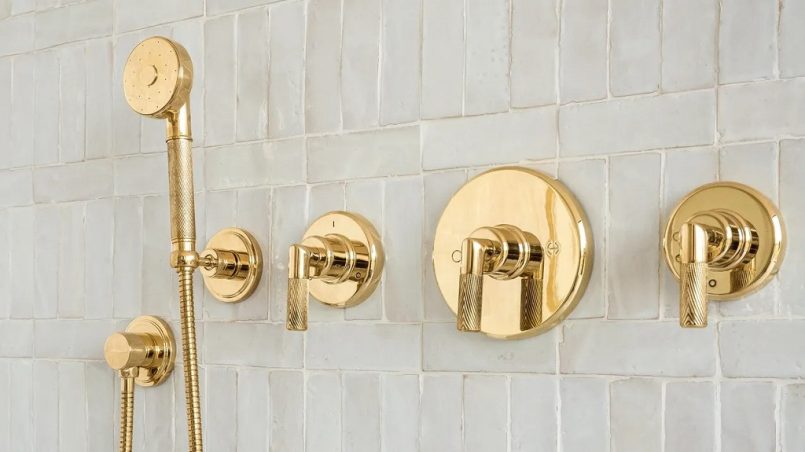
Unlacquered brass is a timeless choice in kitchens and bathrooms. Unlike coated or polished finishes, it is left exposed without a protective layer of lacquer. This means the surface naturally changes over time, developing a patina that gives it warmth, depth, and character. Homeowners who love a “lived-in” aesthetic often find this appealing, while those who prefer a consistently polished look may see it as a drawback. In this guide, we’ll break down the benefits and drawbacks of unlaquered brass in clear and simple terms, so you can decide if it fits your style and lifestyle.
What Is Unlacquered Brass?
Unlacquered brass is brass left raw, without a protective coating. This allows the metal to age naturally. Over time, exposure to air, moisture, and touch darkens and softens its appearance. While this finish is sought after for its charm and individuality, it does require maintenance if you want to keep it bright. Those who prefer to let it age will enjoy its evolving character.
Why Do People Choose It?
Many homeowners are drawn to unlacquered brass because it feels authentic and timeless. Unlike mass-produced finishes that stay uniform, every piece of unlacquered brass tells its own story through the way it changes. According to Unlacquered Brass: The Honest Pros and Cons, this living finish is one of the main reasons designers recommend it for traditional and rustic spaces. Its evolving look blends well with wood, stone, and other natural materials, making it versatile in both kitchens and bathrooms.
How Does Unlacquered Brass Age?
When new, unlacquered brass has a shiny golden hue. With time, it develops a patina ranging from warm brown to deep bronze, sometimes with greenish undertones. This natural oxidation process is part of its charm. However, some see the uneven coloring as messy or unpolished. Regular cleaning and polishing can restore its brightness, but that also interrupts the patina process. Therefore, how it looks largely depends on how you maintain it.
What Are the Benefits of Unlacquered Brass?
There are several reasons why unlacquered brass remains a popular choice:
- Timeless appearance: It complements both vintage and modern interiors.
- Unique patina: No two pieces look the same as they age.
- Durability: Brass is naturally resistant to corrosion compared to other metals.
- Easy to maintain: If you prefer a polished look, simple cleaning and polishing bring back its shine.
- Eco-friendly choice: Since it avoids chemical lacquers, it’s a more natural option.
What Are the Drawbacks of Unlacquered Brass?
Despite its charm, there are downsides you should consider:
- Frequent upkeep: To keep it shiny, you’ll need to polish it regularly.
- Inconsistent color: The patina process can make it appear uneven.
- Fingerprints and water spots: These show up more easily on raw brass.
- Not for perfectionists: If you want a uniform look, this finish may frustrate you.
Where Is Unlacquered Brass Best Used?
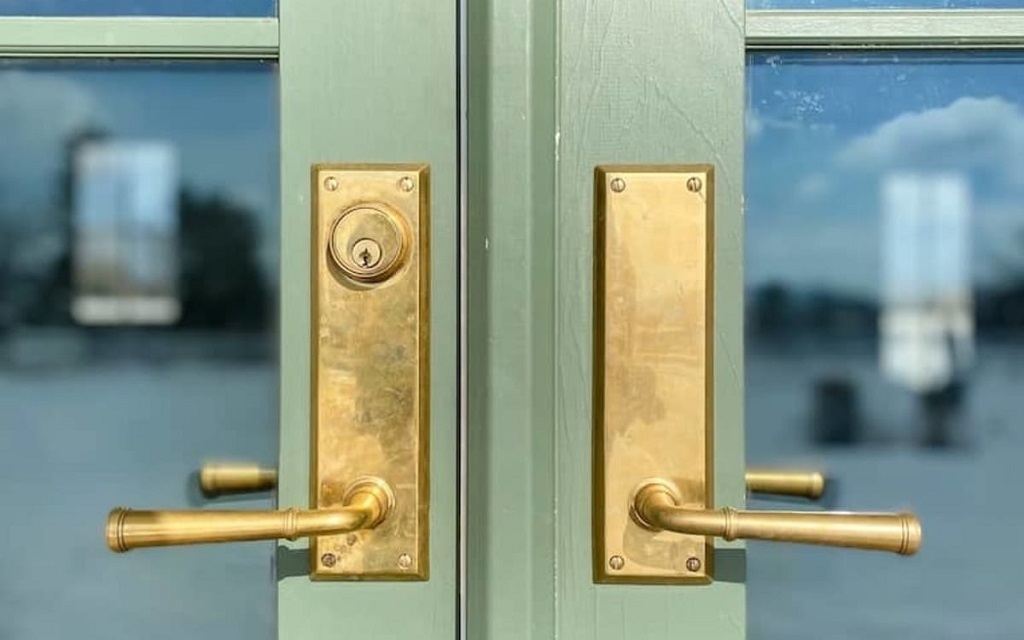
Unlacquered brass is versatile but shines brightest in areas where its changing character is appreciated. Kitchens, bathrooms, and entryways often benefit from its warmth. Hardware like cabinet pulls, faucets, and light fixtures are popular uses. If you don’t mind the evolving look, it works beautifully in high-touch areas. However, if you want a consistent shine, it’s better used on decorative items rather than everyday fixtures.
How Do You Maintain It?
Maintenance depends on whether you want to keep the patina or polish it away. To maintain its shine, use a soft cloth with mild brass cleaner. For those who prefer the aged look, simply wipe it down occasionally to prevent buildup but let the patina form naturally. According to experts at Architectural Digest, the trick is consistency—decide early on if you want shiny or aged brass, and stick with the care routine that supports that look.
Is Unlacquered Brass Durable?
Yes, brass itself is strong and long-lasting. Unlike plated finishes that can chip or wear off, solid brass keeps its integrity. The lack of lacquer doesn’t weaken it; it simply changes its appearance over time. This makes it a practical choice for homeowners who value durability but don’t mind a little change in style as years go by.
How Does It Compare to Lacquered Brass?
Lacquered brass stays shiny longer because of its protective coating. It’s low-maintenance but can chip or peel over time. Unlacquered brass, on the other hand, won’t peel since it has no coating, but it does require more cleaning if you want it to stay bright. In short, lacquered brass is best for people who want low effort, while unlacquered brass is ideal for those who love authenticity and aging character.
Conclusion: Should You Choose Unlacquered Brass?
Unlacquered brass is not for everyone, but it’s perfect for those who appreciate authenticity and don’t mind a finish that evolves. If you love the idea of a surface that tells a story over time, it’s a strong choice. On the other hand, if you prefer a consistently polished and uniform look, a lacquered or alternative finish may suit you better. For more insights and inspiration, explore The Funky Kitchen, where you’ll find guides on materials, appliances, and kitchen design choices.
Read More Also: Diy Galley Kitchen Makeovers In Narrow Living
FAQs About Unlacquered Brass
Does unlacquered brass rust?
No, brass does not rust because it isn’t iron-based. However, it can tarnish and develop a patina.
How often should I polish unlacquered brass?
If you want it shiny, once every few weeks is enough. If you prefer the aged look, polish less frequently or not at all.
Can unlacquered brass be used outdoors?
Yes, but it will darken faster due to exposure to weather. Many homeowners embrace this effect, though some may prefer coated finishes for outdoor use.
Is unlacquered brass safe for kitchen faucets?
Yes, as long as it’s solid brass and lead-free. Many premium faucet makers offer unlacquered options designed for everyday use.
Will the patina damage the brass?
No, patina is simply a surface change. It doesn’t weaken the material, and in some cases, it can even protect it from corrosion.
What cleaning products should I avoid?
Avoid abrasive cleaners, bleach, or anything too harsh. These can scratch or discolor the surface unnecessarily.
Is unlacquered brass more expensive?
It can be slightly more costly due to its quality and demand, but many homeowners see it as a long-term investment.