

A stuck garage door can disrupt your day, leaving you frustrated and stranded. Whether it’s refusing to open or struggling to close, the issue often stems from worn-out or broken garage door springs. Fortunately, with the right tools and know-how, you can tackle this problem yourself and save on costly repairs. At House Needy, we believe homeowners can handle many home maintenance tasks with confidence. This guide will walk you through fixing your garage door safely and efficiently, focusing on one of the most common culprits: faulty springs.
Why Garage Door Springs Matter
Garage door springs are the backbone of your door’s operation. They counterbalance the door’s weight, making it easy to lift and lower. Over time, these springs wear out due to constant tension and use. A broken spring can cause your door to stick, make loud noises, or even become completely inoperable. Knowing how to replace garage door springs is a valuable skill that can restore your door’s functionality in just a few hours. However, safety is critical, as springs are under high tension and can cause injury if mishandled.
Signs Your Garage Door Springs Need Replacement
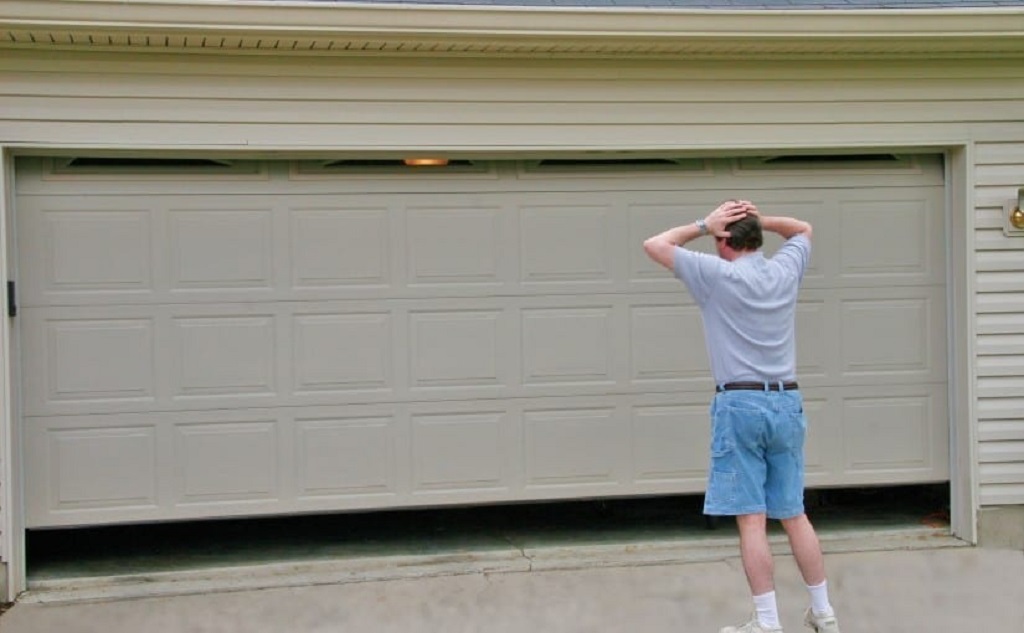
Before diving into repairs, confirm that the springs are the issue. Here are common signs of faulty garage door springs:
- The door won’t open or closes unevenly.
- You hear loud banging or snapping noises.
- The door feels unusually heavy when manually lifted.
- Visible gaps or breaks in the spring coils.
If you notice these symptoms, it’s time to act. Ignoring the problem can strain your garage door opener and lead to more expensive repairs. For additional insights on garage door issues, check out this article from Bob Vila, a trusted source for home improvement tips.
Tools and Materials You’ll Need
Preparation is key to a successful DIY project. Gather these tools and materials before starting:
- Replacement garage door springs (ensure they match your door’s size and type).
- Winding bars (specific to garage door spring replacement).
- Socket wrench set.
- Adjustable wrench.
- Safety glasses and gloves.
- Ladder.
- C-clamps or locking pliers.
Always purchase high-quality springs from a reputable supplier to ensure durability. Additionally, double-check your door’s specifications to avoid mismatched components. If you’re unsure about spring types, torsion springs are common for heavier doors, while extension springs suit lighter models.
Step-by-Step Guide to Replacing Garage Door Springs
Replacing garage door springs requires precision and caution. Follow these steps to ensure a safe and effective repair.
Step 1: Disconnect the Garage Door Opener
Start by unplugging the garage door opener to prevent accidental activation. If your opener has a manual release cord, pull it to disengage the door from the motor. This step ensures the door remains stationary while you work.
Step 2: Secure the Door
Use C-clamps or locking pliers to secure the door to the track, preventing it from moving. Place the clamps just below the bottom rollers on both sides. This keeps the door stable and reduces the risk of injury during spring replacement.
Step 3: Release Tension from Old Springs
For torsion springs, insert a winding bar into the winding cone and slowly release tension by turning it in the opposite direction of the spring’s wind. For extension springs, disconnect the safety cable and remove the spring from its pulley system. Work carefully, as springs under tension can snap back forcefully.
Step 4: Remove the Old Springs
Once the tension is released, use a socket wrench to loosen the set screws on the torsion spring’s winding cone or unhook the extension spring from its bracket. Remove the old springs and inspect them for wear or damage to confirm replacement is necessary.
Step 5: Install the New Springs
Position the new springs in place, ensuring they align with the door’s setup. For torsion springs, slide them onto the torsion tube and secure them with set screws. For extension springs, reattach them to the pulley system and reconnect the safety cable. Double-check that all connections are tight and secure.
Step 6: Wind the New Springs
Using winding bars, carefully wind torsion springs to the manufacturer’s specified number of turns (usually indicated on the spring or in your door’s manual). For extension springs, ensure they are stretched to the correct tension. This step is crucial for balancing the door properly.
Step 7: Test the Door
Remove the C-clamps and reconnect the garage door opener. Test the door by lifting it manually and using the opener. It should move smoothly without jerking or unusual noises. If the door feels unbalanced, adjust the spring tension slightly and test again.
Safety Tips for DIY Garage Door Spring Replacement
Working with garage door springs can be dangerous if not done correctly. Follow these safety precautions:
- Always wear safety glasses and gloves to protect against snapping springs.
- Never use makeshift tools like screwdrivers instead of winding bars.
- Keep your body clear of the spring’s path to avoid injury.
- If you’re unsure about any step, consult a professional or refer to trusted resources like This Old House for guidance.
Taking these precautions minimizes risks and ensures a smooth repair process. If the task feels overwhelming, it’s wise to call a professional to avoid potential harm.
Common Mistakes to Avoid
Even experienced DIYers can make errors when replacing garage door springs. Here are pitfalls to watch out for:
- Using incorrect spring sizes, which can cause imbalance or damage.
- Over-tightening or under-tightening springs, leading to poor door performance.
- Skipping safety gear, increasing the risk of injury.
- Rushing the process without double-checking connections.
Taking your time and following instructions carefully will save you from costly mistakes. Additionally, always verify that your replacement springs match your door’s weight and size.
When to Call a Professional
While DIY repairs can save money, some situations call for expert help. Consider hiring a professional if:
- The springs are severely damaged or rusted.
- You lack the proper tools or experience.
- The door is unusually heavy or complex (e.g., custom or commercial doors).
- You encounter unexpected issues during the repair.
Professionals have the expertise to handle tricky repairs safely. However, for straightforward spring replacements, this guide should equip you with the confidence to do it yourself.
Maintaining Your Garage Door Springs
Once your springs are replaced, regular maintenance extends their lifespan. Lubricate the springs annually with a silicone-based lubricant to reduce friction. Inspect them every few months for signs of wear, such as rust or stretching. Additionally, keep the door tracks clean and free of debris to ensure smooth operation. These simple steps can prevent future issues and keep your garage door running smoothly.
Read More Also: Common Causes of Stress for Landlords: What Keeps You Up at Night?
Conclusion
A stuck garage door doesn’t have to ruin your day. By learning how to replace garage door springs, you can fix the problem quickly and safely. With the right tools, careful preparation, and attention to safety, this DIY project is within reach for most homeowners. Regular maintenance and timely repairs will keep your garage door in top shape, saving you time and money in the long run. Follow the steps outlined above, and you’ll have your garage door working like new in no time.
Read More Also: Creative House Extension Ideas to Transform Your Home
Frequently Asked Questions
How long do garage door springs last?
Garage door springs typically last 7-10 years or about 10,000 cycles, depending on usage and maintenance.
Can I replace just one garage door spring?
It’s best to replace both springs at once, even if only one is broken, to ensure balanced operation and avoid future issues.
How much does it cost to replace garage door springs?
DIY replacement costs $50-$150 for springs and tools. Professional repairs range from $200-$400, depending on your location and door type.
Are torsion springs or extension springs better?
Torsion springs are more durable and safer for heavier doors, while extension springs are simpler but less reliable for large doors.
How do I know if my garage door spring is broken?
Look for signs like a stuck door, loud noises, or visible breaks in the spring coils. Manual lifting will also feel heavier than usual.